
Introduction
On Saturday, a powerful 7.0-magnitude earthquake struck off the northeastern coast of Taiwan, sending shockwaves throughout the island and causing widespread concern. According to the island's Central Weather Administration, the earthquake occurred late in the evening, prompting immediate responses from emergency services and government agencies. The quake's impact was felt across the island, with reports of damage to buildings, infrastructure, and power outages in some areas. In this article, we will delve into the details of the earthquake, its effects on Taiwan, and the response efforts undertaken by the authorities.
Earthquake Details and Impact
The 7.0-magnitude earthquake that struck Taiwan is considered a significant seismic event, with the potential to cause substantial damage and loss of life. According to the United States Geological Survey (USGS), the earthquake's epicenter was located approximately 50 kilometers off the northeastern coast of Taiwan, at a depth of about 20 kilometers. The quake's magnitude and proximity to the coast made it a potentially disastrous event, with the possibility of triggering tsunamis and landslides.
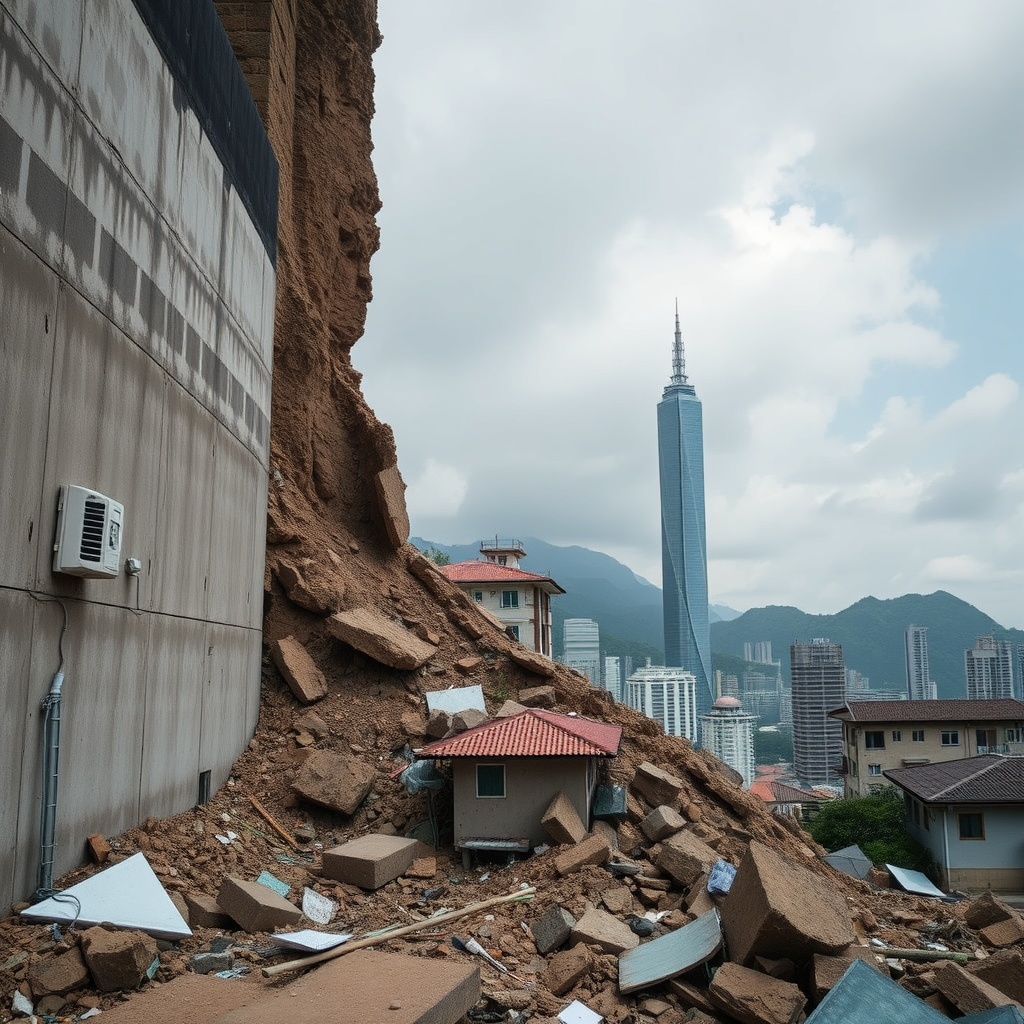
Fortunately, the earthquake did not trigger a tsunami, and the damage was relatively contained. However, the quake still caused significant disruption to daily life in Taiwan, with reports of power outages, water disruptions, and damage to buildings and infrastructure. The Taiwan Power Company reported that over 10,000 households were affected by power outages, while the Taiwan Water Corporation reported that several water treatment plants were shut down due to the earthquake.
The earthquake also had a significant impact on Taiwan's transportation systems, with several highways and roads closed due to damage or landslides. The Taiwan High-Speed Rail Corporation reported that several trains were delayed or canceled due to the earthquake, while the Taiwan Taoyuan International Airport reported that several flights were affected by the quake.
Response Efforts and Emergency Services
In response to the earthquake, the Taiwanese government and emergency services sprang into action, with a swift and coordinated response effort. The National Fire Agency (NFA) and the Ministry of Interior (MOI) were among the first responders, with teams deployed to affected areas to search for survivors, provide medical assistance, and conduct damage assessments.
The Taiwanese military was also mobilized to assist in the response efforts, with troops deployed to help with search and rescue operations, debris removal, and infrastructure repair. The government also established an emergency operations center to coordinate the response efforts and provide updates to the public.
In addition to the government's response efforts, several non-governmental organizations (NGOs) and charities also provided assistance to those affected by the earthquake. The Taiwanese Red Cross, for example, dispatched teams to provide medical aid, food, and shelter to those in need.
Economic and Social Impact
The earthquake is likely to have a significant economic impact on Taiwan, with estimates suggesting that the damage could run into billions of dollars. The quake's impact on the island's infrastructure, including roads, bridges, and buildings, will require significant investment to repair and rebuild.
The earthquake will also have a social impact, with many people affected by the quake facing displacement, trauma, and uncertainty about their future. The government and NGOs will need to provide ongoing support to these individuals, including counseling, housing, and economic assistance.
In terms of economic statistics, Taiwan's economy is likely to suffer a short-term setback due to the earthquake. The island's GDP growth rate, which was already slowing due to the COVID-19 pandemic, may be further impacted by the quake. According to a report by the Taiwan Institute of Economic Research, the earthquake could reduce Taiwan's GDP growth rate by up to 0.5 percentage points in the short term.
International Response and Cooperation
The international community has responded quickly to the earthquake, with several countries offering assistance to Taiwan. The United States, Japan, and China were among the first countries to offer aid, with promises of financial assistance, search and rescue teams, and humanitarian aid.
The international response to the earthquake highlights the importance of global cooperation and solidarity in the face of natural disasters. The earthquake also underscores the need for countries to invest in disaster risk reduction and management, including early warning systems, emergency preparedness, and infrastructure resilience.
In terms of international cooperation, the earthquake has brought together several countries and organizations to provide assistance to Taiwan. The United Nations Office for Disaster Risk Reduction (UNDRR), for example, has offered technical assistance and expertise to the Taiwanese government, while the Asian Development Bank (ADB) has offered financial assistance to support the recovery efforts.
Conclusion
The 7.0-magnitude earthquake that struck Taiwan on Saturday is a reminder of the island's vulnerability to natural disasters. While the earthquake's impact was significant, the response efforts undertaken by the authorities and emergency services have been swift and effective.
As Taiwan begins the process of recovery and rebuilding, it is essential that the government and international community prioritize disaster risk reduction and management. This includes investing in early warning systems, emergency preparedness, and infrastructure resilience, as well as providing ongoing support to those affected by the earthquake.
In the long term, the earthquake will have a lasting impact on Taiwan, with implications for the island's economy, society, and politics. However, with the support of the international community and the resilience of the Taiwanese people, the island will recover and emerge stronger than ever. As the world looks to the future, it is essential that we prioritize disaster risk reduction and management, to mitigate the impact of natural disasters and build a more resilient and sustainable world.

Leave a comment