
Introduction
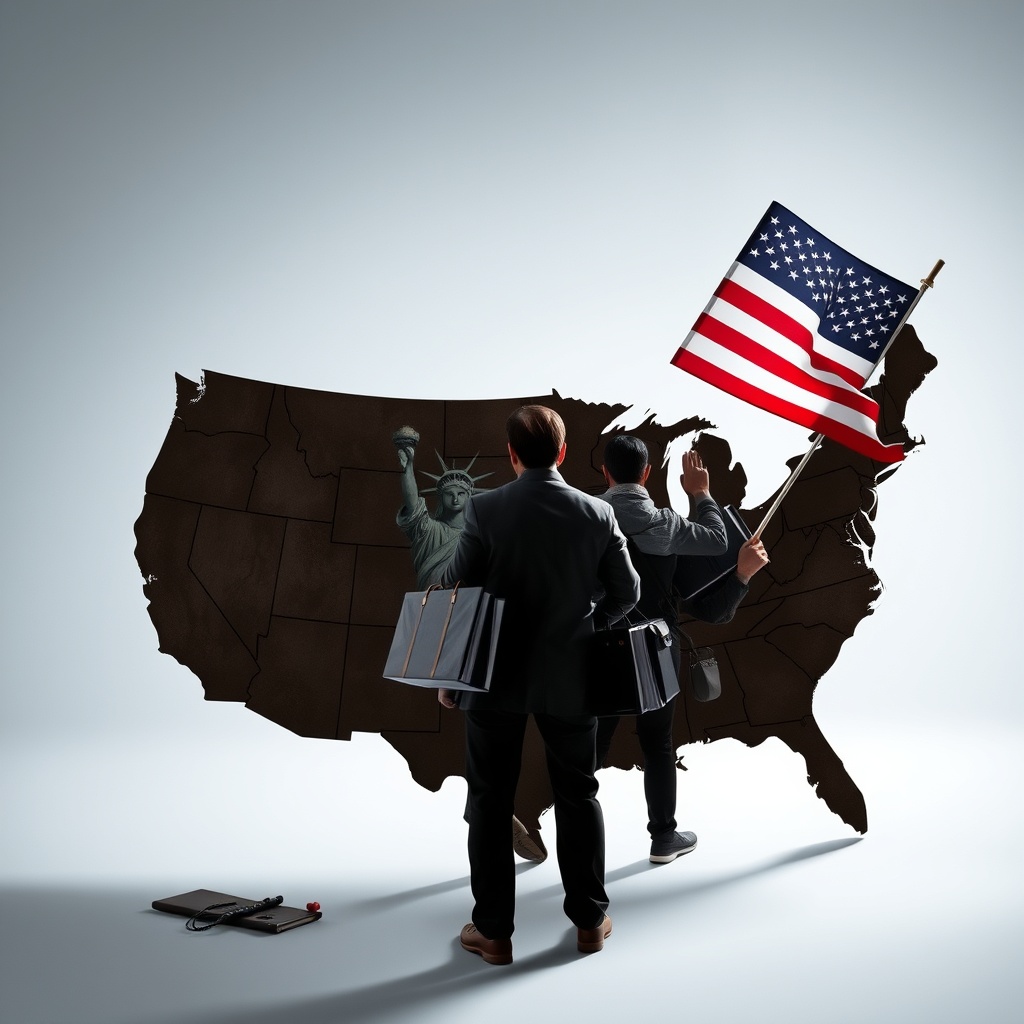
The United States has long been a nation of immigrants, with people from all over the world coming to its shores in search of a better life. However, in recent years, the country has seen a significant shift in its immigration policies, with a crackdown on immigration leading to a sharp drop in net immigration. This, in turn, has had a profound impact on the country's population growth, with the Census Bureau reporting that the population grew only about half as fast in the past year as it did in previous years. In this article, we will explore the reasons behind this slowdown in population growth, the impact it is having on the country, and what it might mean for the future.
The Impact of Immigration on Population Growth
Immigration has long been a key driver of population growth in the United States. According to the Census Bureau, between 2010 and 2020, immigration accounted for about 48% of the country's population growth. However, with the current crackdown on immigration, this number has been significantly reduced. The Census Bureau reports that net immigration, which is the number of people moving to the country minus the number of people leaving, has dropped by over 50% in the past year. This sharp decline in net immigration has had a direct impact on population growth, with the country's population growing at a rate of only 0.3% in the past year, down from 0.7% in the previous year.
For example, according to a report by the Pew Research Center, the number of immigrants arriving in the United States has been declining steadily since 2016, with a significant drop in 2020. This decline has been driven in part by changes in immigration policies, including the introduction of stricter visa requirements and increased border security. Additionally, the COVID-19 pandemic has also had an impact, with many countries imposing travel restrictions and limiting the number of people who can enter the United States.
Economic and Social Implications
The slowdown in population growth has significant economic and social implications for the United States. A growing population is essential for a country's economic growth, as it provides a larger workforce, increases consumer spending, and drives innovation. With a declining population, the country may face labor shortages, reduced economic growth, and decreased tax revenues. Additionally, a declining population can also lead to a decrease in the number of people paying into social security and other entitlement programs, which could put a strain on these programs in the future.
For instance, a report by the Congressional Budget Office found that a decline in population growth could lead to a significant decrease in the number of workers paying into social security, which could result in a shortfall in the program's funds. Furthermore, a study by the National Bureau of Economic Research found that a decline in population growth could also lead to a decrease in economic growth, as a smaller workforce and reduced consumer spending could lead to lower economic output.
Demographic Changes and Regional Variations
The slowdown in population growth is also having a significant impact on the country's demographic makeup. The Census Bureau reports that the population is aging, with the median age increasing from 35.3 years in 2000 to 38.1 years in 2020. This aging population has significant implications for the country's healthcare system, social security, and other entitlement programs. Additionally, the slowdown in population growth is also leading to regional variations, with some areas experiencing significant declines in population while others continue to grow.
For example, according to a report by the Urban Institute, the Northeast and Midwest regions of the country are experiencing significant declines in population, while the South and West regions continue to grow. This regional variation has significant implications for the country's economic development, with areas experiencing population decline facing challenges in attracting businesses and investments. On the other hand, areas experiencing population growth may face challenges in providing adequate housing, transportation, and other infrastructure to support the growing population.
Policy Implications and Future Directions
The slowdown in population growth has significant policy implications for the United States. The country needs to consider the impact of its immigration policies on population growth and the economy. A more balanced approach to immigration, one that allows for a steady flow of immigrants while also ensuring national security, could help to mitigate the decline in population growth. Additionally, the country needs to invest in programs that support fertility, such as family leave policies and childcare support, to encourage people to have more children.
For instance, a report by the Brookings Institution found that a more balanced approach to immigration could help to increase the number of skilled workers entering the country, which could help to drive economic growth. Furthermore, a study by the Center for American Progress found that investing in programs that support fertility, such as family leave policies and childcare support, could help to increase the birth rate and mitigate the decline in population growth.
Conclusion
In conclusion, the crackdown on immigration is leading to a sharp drop in U.S. population growth, with significant economic and social implications for the country. The decline in net immigration has had a direct impact on population growth, with the country's population growing at a rate of only 0.3% in the past year. The slowdown in population growth has significant implications for the country's demographic makeup, with an aging population and regional variations. To address this issue, the country needs to consider a more balanced approach to immigration and invest in programs that support fertility. By doing so, the United States can mitigate the decline in population growth and ensure a strong and vibrant economy for the future.

Leave a comment