
Introduction
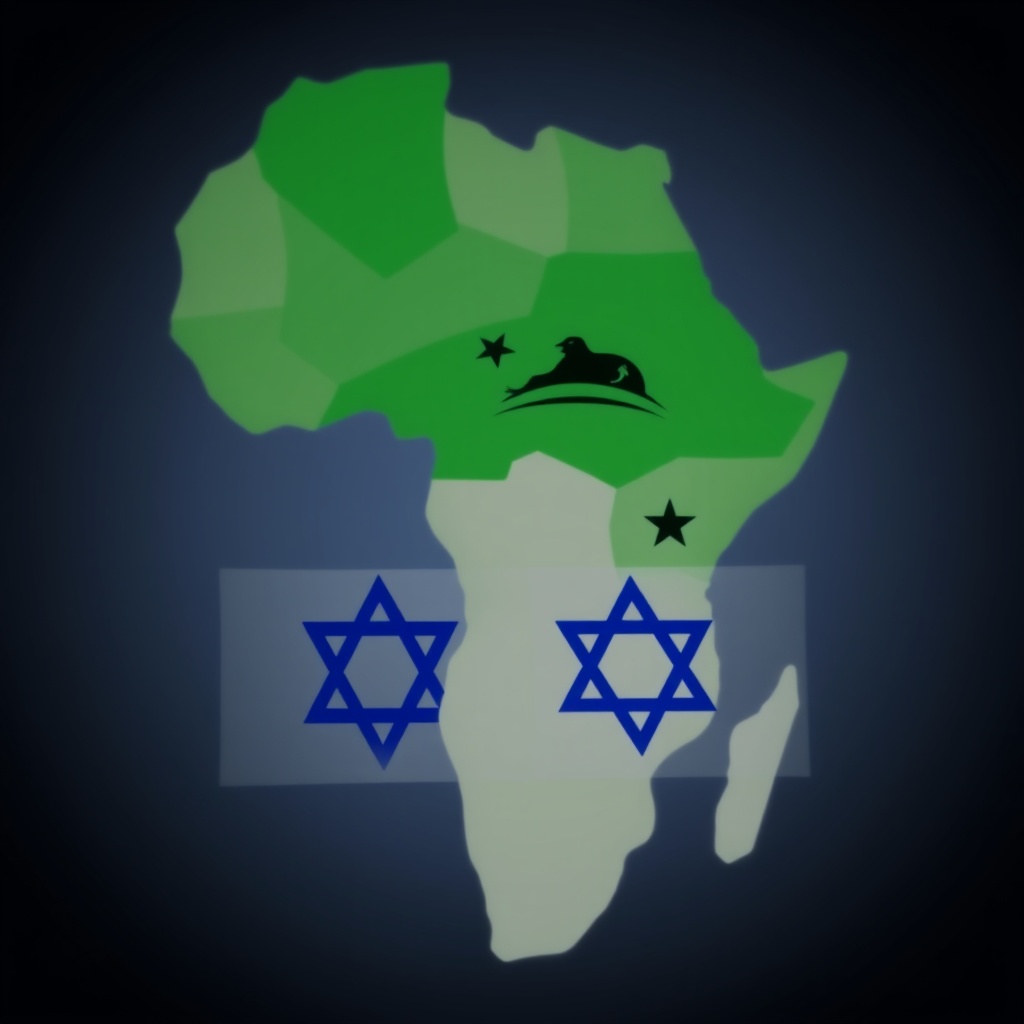
The recent recognition of Somaliland as an independent nation by Israel has sparked a heated debate in the international community. Somaliland, a breakaway region of Somalia, has been seeking recognition as a sovereign state for decades. However, its bid for independence has been met with resistance from the African regional bodies, which have rejected Israel's move to recognize Somaliland as a separate nation. In this article, we will delve into the complexities of the issue, exploring the historical context, the implications of Israel's recognition, and the response of the African regional bodies.
Historical Context of Somaliland's Independence
Somaliland declared its independence from Somalia in 1991, after a long and bloody civil war. Since then, the region has been functioning as a de facto state, with its own government, military, and institutions. Despite its efforts to gain recognition from the international community, Somaliland has been met with resistance from the African Union (AU) and the United Nations (UN), which consider it to be part of Somalia. The international community's reluctance to recognize Somaliland's independence is rooted in the fear of setting a precedent for other separatist movements in Africa.
The history of Somaliland's independence movement dates back to the colonial era, when the region was a British protectorate. After gaining independence from Britain in 1960, Somaliland merged with Italian Somaliland to form the Somali Republic. However, the union was short-lived, and Somaliland declared its independence in 1991, after the collapse of the Somali government. Since then, Somaliland has been working to establish itself as a separate nation, with its own constitution, flag, and national anthem.
Israel's Recognition of Somaliland
In a surprise move, Israel announced its recognition of Somaliland as an independent nation, becoming the first country to do so. The decision was seen as a significant development in the region, with implications for the balance of power in the Horn of Africa. Israel's recognition of Somaliland is believed to be driven by its strategic interests in the region, including access to the Red Sea and the potential for trade and economic cooperation.
The Israeli government's decision to recognize Somaliland has been met with criticism from the African regional bodies, which argue that it undermines the territorial integrity of Somalia. The AU and the Intergovernmental Authority on Development (IGAD) have issued statements rejecting Israel's recognition of Somaliland, citing the need to respect the sovereignty and territorial integrity of Somalia.
Response of African Regional Bodies
The African regional bodies have been quick to respond to Israel's recognition of Somaliland, with the AU and IGAD issuing statements rejecting the move. The AU's Commission Chair, Moussa Faki Mahamat, stated that the recognition of Somaliland as an independent nation by Israel is "null and void," and that it "undermines the sovereignty and territorial integrity of Somalia." The IGAD, a regional body that includes Somalia, Kenya, Ethiopia, and other countries in the region, also rejected Israel's recognition of Somaliland, citing the need to respect the territorial integrity of Somalia.
The rejection of Israel's recognition of Somaliland by the African regional bodies is driven by a number of factors, including the fear of setting a precedent for other separatist movements in Africa. The AU and IGAD are concerned that recognizing Somaliland as an independent nation could embolden other separatist groups in the region, leading to instability and conflict.
Implications of Israel's Recognition
The implications of Israel's recognition of Somaliland are far-reaching, with potential consequences for the balance of power in the Horn of Africa. The move is seen as a significant development in the region, with the potential to reshape the geopolitical landscape. The recognition of Somaliland by Israel could lead to increased cooperation between the two nations, including in the areas of trade, security, and diplomacy.
However, the recognition of Somaliland by Israel is also likely to have significant implications for the region, including the potential for increased tensions between Somaliland and Somalia. The Somali government has rejected Israel's recognition of Somaliland, and has warned of potential consequences for the region. The international community is also watching the situation closely, with concerns about the potential for instability and conflict in the region.
Case Study: The Impact of Recognition on Somaliland's Economy
The recognition of Somaliland by Israel is likely to have a significant impact on the region's economy. Somaliland has been struggling to develop its economy, due to a lack of international recognition and access to international markets. The recognition of Somaliland by Israel could lead to increased investment and trade between the two nations, including in the areas of agriculture, mining, and energy.
For example, Somaliland has significant deposits of minerals, including copper, gold, and uranium. The recognition of Somaliland by Israel could lead to increased investment in the mining sector, with the potential to create jobs and stimulate economic growth. Additionally, the recognition of Somaliland could lead to increased trade between the two nations, including in the areas of agriculture and livestock.
Statistics: The Economic Potential of Somaliland
The economic potential of Somaliland is significant, with the region having a number of natural resources, including minerals, oil, and gas. According to the World Bank, Somaliland has the potential to become a significant player in the global economy, with the potential to increase its GDP per capita from $347 in 2020 to $1,044 by 2025.
The recognition of Somaliland by Israel could also lead to increased investment in the region's infrastructure, including roads, ports, and energy. For example, the construction of a new port in the Somaliland city of Berbera could lead to increased trade between the region and the rest of the world, with the potential to create jobs and stimulate economic growth.
Conclusion
In conclusion, the recognition of Somaliland as an independent nation by Israel has sparked a heated debate in the international community. While Israel's recognition of Somaliland is seen as a significant development in the region, it has been met with resistance from the African regional bodies, which argue that it undermines the territorial integrity of Somalia. The implications of Israel's recognition are far-reaching, with potential consequences for the balance of power in the Horn of Africa.
As the situation continues to unfold, it is clear that the recognition of Somaliland by Israel will have significant implications for the region. The international community will be watching the situation closely, with concerns about the potential for instability and conflict. However, the recognition of Somaliland also presents opportunities for cooperation and development, including in the areas of trade, security, and diplomacy.
In the end, the recognition of Somaliland by Israel is a complex issue, with no easy solutions. However, by understanding the historical context, the implications of Israel's recognition, and the response of the African regional bodies, we can begin to navigate the complexities of the issue and work towards a more stable and prosperous future for the region. As the international community continues to grapple with the issue of Somaliland's recognition, it is clear that the situation will require careful consideration and diplomacy to resolve.

Leave a comment