
Introduction
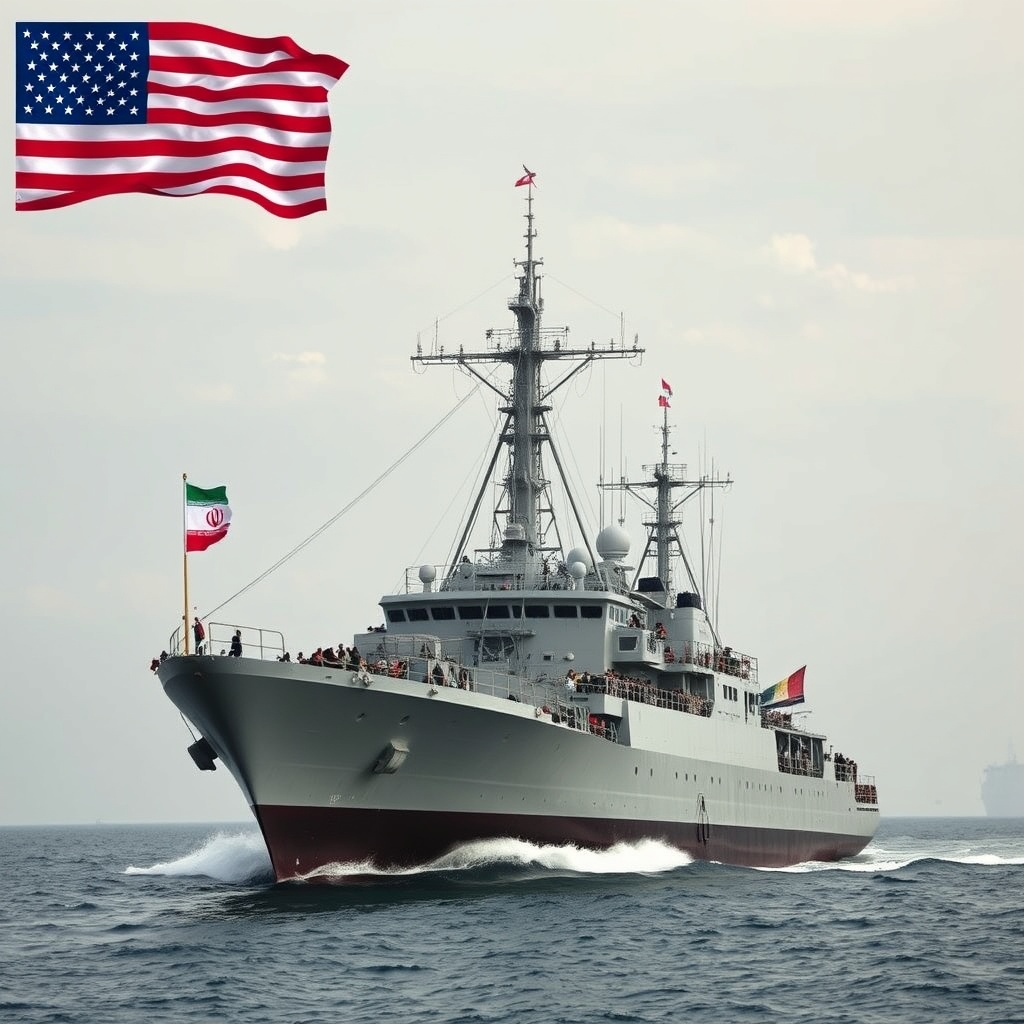
The recent escalation of tensions between the United States and Iran has led to a significant development in the Indian Ocean, where Sri Lanka has taken custody of an Iranian vessel. This move comes after the U.S. sank an Iranian warship, marking a dramatic turn in the ongoing conflict between the two nations. The Iranian naval vessel, which sought assistance while anchored off the coast of Sri Lanka, has been transferred to the custody of the Sri Lankan authorities, with over 200 sailors being brought to shore. This article will delve into the details of this incident, exploring the context, implications, and potential consequences of this event.
Background and Context
The conflict between the United States and Iran has been ongoing for several years, with both nations engaging in a series of diplomatic and military confrontations. The recent sinking of an Iranian warship by the U.S. has raised concerns about the potential for further escalation, with many analysts warning of a possible wider conflict in the region. The Indian Ocean, where Sri Lanka is located, has become a critical theater in this conflict, with both the U.S. and Iran seeking to assert their influence and control over the region's strategic waterways.
The Iranian naval vessel, which was anchored off the coast of Sri Lanka, reportedly sought assistance due to technical difficulties or damage sustained during its journey. The Sri Lankan authorities, in accordance with international maritime law, provided assistance to the vessel and its crew, taking custody of the ship and transferring its sailors to shore. This move has been seen as a pragmatic decision by Sri Lanka, aimed at preventing any potential conflict or instability in the region.
Implications and Consequences
The transfer of the Iranian naval vessel to Sri Lankan custody has significant implications for the region and the ongoing conflict between the U.S. and Iran. Firstly, it highlights the critical role that Sri Lanka plays in the Indian Ocean, with the nation's strategic location making it an important player in regional maritime affairs. The Sri Lankan government's decision to take custody of the Iranian vessel demonstrates its commitment to upholding international law and preventing any potential conflict in the region.
However, the move has also raised concerns about the potential consequences for Sri Lanka, particularly in terms of its relationships with the U.S. and Iran. The U.S. has been critical of Iran's naval activities in the region, and Sri Lanka's decision to assist the Iranian vessel may be seen as a departure from its traditional alignment with Western powers. On the other hand, Iran may view Sri Lanka's actions as a positive development, potentially strengthening its ties with the nation and enhancing its influence in the region.
According to a recent report by the International Maritime Organization (IMO), the Indian Ocean is a critical shipping lane, with over 50,000 vessels passing through the region every year. The report highlights the importance of maintaining stability and security in the region, with any conflict or instability having significant consequences for global trade and economic activity. In this context, Sri Lanka's decision to take custody of the Iranian vessel can be seen as a pragmatic move, aimed at preventing any potential conflict and maintaining regional stability.
Regional Reactions and Responses
The reaction of regional nations to the incident has been varied, with some expressing concern about the potential consequences of Sri Lanka's actions. India, which has traditionally been a key player in the Indian Ocean, has been watching the situation closely, with officials expressing concerns about the potential for Iranian naval activity in the region. China, which has significant economic and strategic interests in the region, has also been monitoring the situation, with officials calling for calm and restraint.
The U.S. has been critical of Sri Lanka's decision, with officials expressing concerns about the potential for Iranian naval activity in the region. The U.S. has been seeking to build a coalition of nations to counter Iranian influence in the region, and Sri Lanka's actions may be seen as a setback to these efforts. Iran, on the other hand, has welcomed Sri Lanka's decision, with officials praising the nation's commitment to international law and cooperation.
In a recent statement, the Sri Lankan government emphasized its commitment to maintaining good relations with all nations, while also upholding its obligations under international law. The statement highlighted the importance of regional stability and security, with the government expressing its desire to play a constructive role in promoting peace and cooperation in the Indian Ocean.
Case Study: The Iranian Vessel Incident
The incident involving the Iranian naval vessel is not an isolated event, but rather part of a larger pattern of Iranian naval activity in the region. In recent years, Iran has been seeking to expand its naval presence in the Indian Ocean, with a number of vessels and personnel deployed to the region. This has raised concerns among regional nations, particularly India and the U.S., which have been seeking to counter Iranian influence in the region.
A recent report by the Center for Strategic and International Studies (CSIS) highlights the significance of the Indian Ocean in Iranian naval strategy. The report notes that Iran has been seeking to expand its naval presence in the region, with a number of vessels and personnel deployed to the Indian Ocean. The report also notes that Iran has been seeking to build relationships with regional nations, including Sri Lanka, in order to enhance its influence and presence in the region.
The incident involving the Iranian naval vessel highlights the complexities and challenges of navigating the Indian Ocean, where multiple nations and interests are at play. The Sri Lankan government's decision to take custody of the vessel demonstrates its commitment to upholding international law and maintaining regional stability, while also highlighting the need for careful diplomacy and cooperation in the region.
Conclusion
The transfer of the Iranian naval vessel to Sri Lankan custody marks a significant development in the ongoing conflict between the U.S. and Iran. The incident highlights the critical role that Sri Lanka plays in the Indian Ocean, as well as the complexities and challenges of navigating the region's strategic waterways. As the situation continues to unfold, it is clear that the incident will have significant implications for regional stability and security, with potential consequences for global trade and economic activity.
In the coming months and years, it will be important for regional nations to work together to maintain stability and security in the Indian Ocean. This will require careful diplomacy and cooperation, as well as a commitment to upholding international law and preventing any potential conflict. The Sri Lankan government's decision to take custody of the Iranian vessel demonstrates its commitment to these principles, and highlights the importance of regional cooperation in maintaining peace and stability in the Indian Ocean.
As the world watches the situation unfold, it is clear that the incident involving the Iranian naval vessel will have significant and far-reaching consequences. The ongoing conflict between the U.S. and Iran will continue to be a major factor in regional affairs, with the Indian Ocean playing a critical role in the struggle for influence and control. As nations and policymakers navigate this complex and challenging environment, it is clear that careful diplomacy, cooperation, and a commitment to international law will be essential in maintaining regional stability and security.

Leave a comment