
Introduction
The iconic Air Force One, the official aircraft of the President of the United States, is set to undergo a significant makeover with a new paint job featuring updated colors. The redesign, which has been a topic of discussion for several years, will incorporate one of President Donald Trump's preferred color choices, marking a distinctive change from the traditional livery that has been synonymous with the presidential jet since the 1960s. This article will delve into the history of Air Force One's design, the reasoning behind the makeover, and the potential implications of this change on the aircraft's symbolic significance.
History of Air Force One's Design
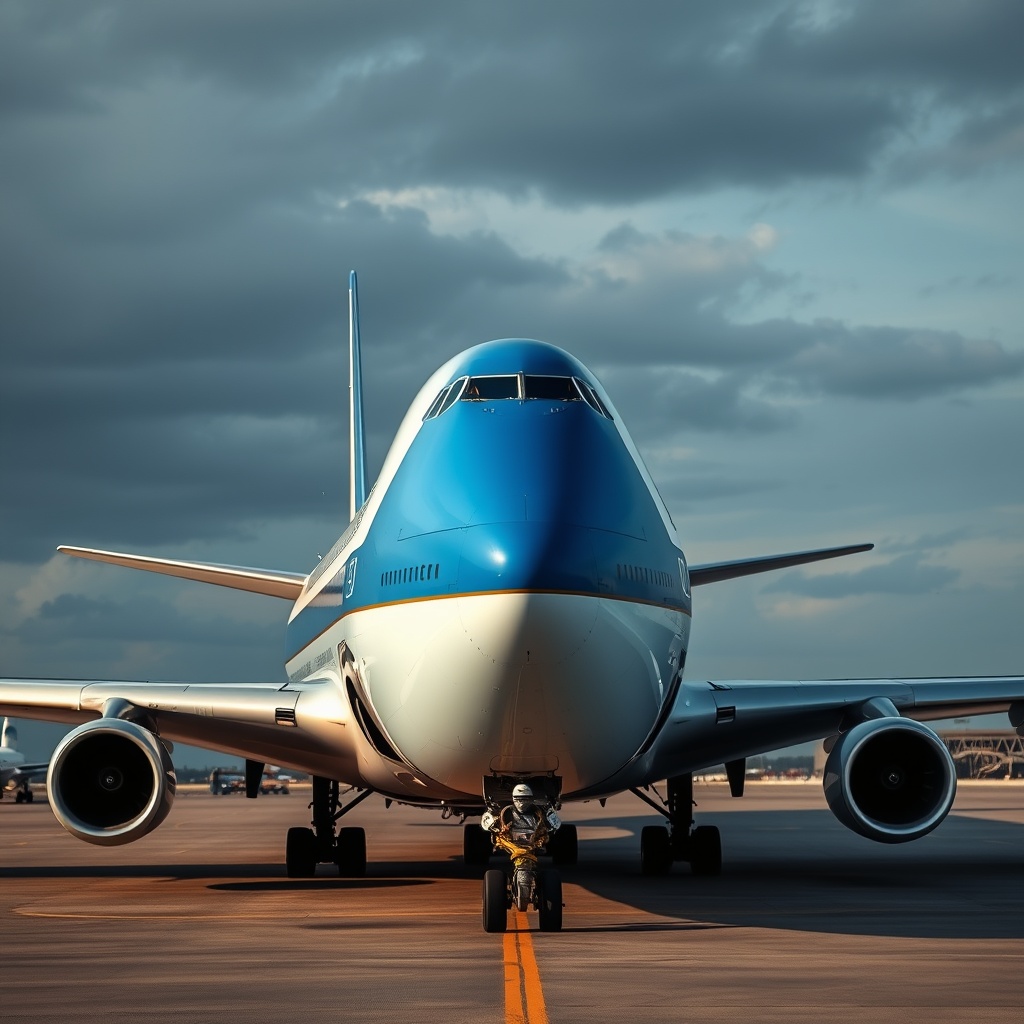
Air Force One, officially known as VC-25A, has been the primary mode of transportation for U.S. presidents since 1990. The aircraft's current design, which features a predominantly blue and white color scheme, was introduced during the Kennedy administration. The design was the result of a collaboration between industrial designer Raymond Loewy and President John F. Kennedy, with the goal of creating a distinctive and recognizable visual identity for the presidential aircraft. The blue and white colors were chosen to reflect the American flag, with the blue representing the sky and the sea, and the white representing the clouds and the ideals of purity and innocence.
Over the years, the design of Air Force One has undergone several minor updates, but the core color scheme has remained largely unchanged. However, with the new administration, there has been a push to modernize the aircraft's design, incorporating new colors and a fresh aesthetic. According to reports, President Trump has been instrumental in driving the redesign, seeking to put his own stamp on the iconic aircraft.
The New Design
The new design, which is expected to be unveiled in the coming months, will feature a updated color scheme that includes a darker blue, almost navy, and a hint of red, which is one of President Trump's preferred colors. The exact shade of red has not been disclosed, but it is believed to be a deep, rich tone that will add a sense of elegance and sophistication to the aircraft's design. The new color scheme is intended to reflect the President's personal style, while also paying homage to the American flag and the country's rich history.
The redesign has been met with mixed reactions, with some critics arguing that the new colors are too bold and may not be in line with the traditional aesthetic of the presidential aircraft. Others have praised the move, seeing it as an opportunity to modernize the design and make it more reflective of the current administration's values and style.
Symbolism and Implications
The redesign of Air Force One is not just about aesthetics; it also carries significant symbolic weight. The presidential aircraft is often seen as a symbol of American power and prestige, and any changes to its design are closely scrutinized. The incorporation of President Trump's preferred colors is likely to be seen as a reflection of his personal style and values, and may be interpreted as a way of asserting his authority and influence.
The new design may also have implications for the aircraft's role as a diplomatic tool. Air Force One is often used as a symbol of American diplomacy, and its design can play a significant role in shaping the country's image abroad. The updated color scheme may be seen as a way of projecting a more modern and dynamic image of the United States, but it may also be perceived as a departure from the traditional values and ideals that the country has long represented.
Case Studies and Examples
The redesign of Air Force One is not the first time that a presidential aircraft has undergone a significant makeover. In the 1980s, President Ronald Reagan oversaw a major redesign of the presidential aircraft, which included the introduction of a new color scheme and a more modern interior design. The redesign was seen as a way of updating the aircraft's image and making it more reflective of the President's personal style.
Similarly, other countries have also updated the designs of their presidential aircraft in recent years. For example, the Russian presidential aircraft, which is used by President Vladimir Putin, features a distinctive red and blue color scheme that reflects the country's national colors. The Chinese presidential aircraft, which is used by President Xi Jinping, features a more subdued color scheme, with a focus on red and gold accents.
Conclusion
The redesign of Air Force One is a significant development that reflects the evolving nature of American politics and culture. The incorporation of President Trump's preferred colors is likely to be seen as a way of asserting his authority and influence, and may be interpreted as a departure from the traditional values and ideals that the country has long represented. As the new design is unveiled, it will be interesting to see how it is received by the public and the media, and what implications it may have for the aircraft's role as a symbol of American power and prestige.
Ultimately, the redesign of Air Force One is a reminder that even the most iconic and enduring symbols of American culture are not immune to change. As the country continues to evolve and grow, it is likely that the presidential aircraft will continue to play an important role in shaping the nation's image and identity. Whether the new design is seen as a success or a failure, it is clear that Air Force One will remain an enduring symbol of American power and prestige, and a source of fascination and inspiration for generations to come.

Leave a comment