
Introduction
Alaska, known for its breathtaking landscapes and harsh climate, has recently faced one of its most devastating storms in history. The extreme weather event, which brought severe flooding to several remote villages, has left a trail of destruction and displacement in its wake. According to officials, the damage is so extensive that it could take at least 18 months for some evacuees to return to their homes. This article delves into the aftermath of the storm, the challenges faced by the affected communities, and the efforts being made to provide relief and support to those displaced.
The Storm and Its Aftermath
The storm that hit Alaska was a powerful and intense weather system that brought heavy rainfall and strong winds to the region. The resulting flooding was catastrophic, with water levels rising to unprecedented heights and sweeping away homes, buildings, and infrastructure. The remote villages, which are not equipped to handle such extreme weather events, were particularly hard hit. The flooding was so severe that it forced the evacuation of over 2,000 people, who were relocated to safer areas.
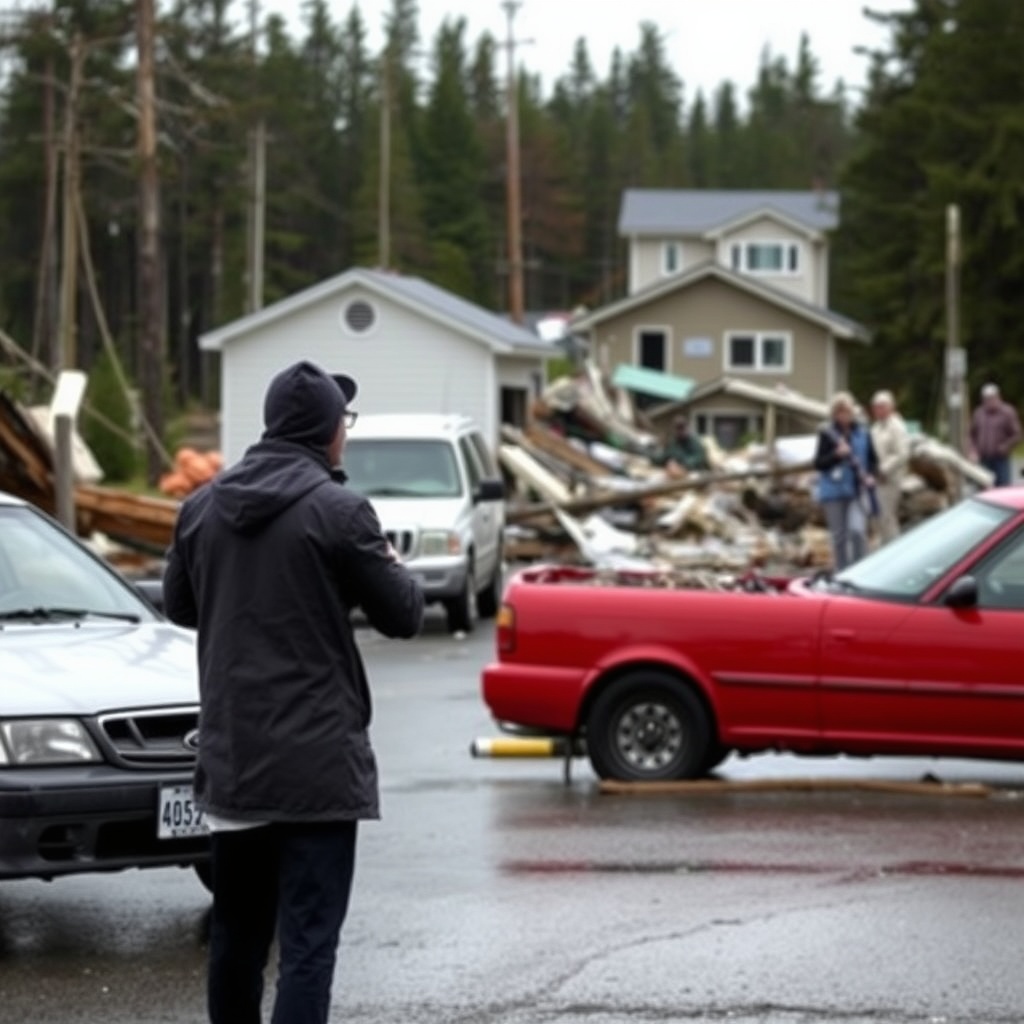
The damage to the affected villages is extensive, with many homes and buildings destroyed or severely damaged. The infrastructure, including roads, bridges, and utilities, has also been severely impacted, making it difficult for relief efforts to reach the affected areas. The situation is further complicated by the remote location of the villages, which makes it challenging to transport goods, services, and personnel to the area.
According to officials, the damage is so extreme that it could take at least 18 months for some evacuees to return to their homes. This is a devastating prospect for the affected communities, who are not only dealing with the physical destruction but also the emotional trauma of being displaced from their homes and livelihoods.
Relief Efforts and Support
In response to the disaster, relief efforts are underway to provide support to the affected communities. The state and federal governments have deployed resources, including personnel, equipment, and supplies, to the affected areas. Non-governmental organizations (NGOs) and charities are also providing assistance, including food, shelter, and medical care.
One of the challenges facing relief efforts is the remote location of the affected villages. The lack of infrastructure, including roads and bridges, makes it difficult to transport goods and services to the area. However, relief workers are using alternative methods, such as air transport and boats, to reach the affected communities.
The psychological impact of the disaster should not be underestimated. The trauma of being displaced from one's home and livelihood can have long-lasting effects on individuals and communities. Mental health support is being provided to those affected, including counseling and therapy services.
Long-term Recovery and Rebuilding
The recovery and rebuilding efforts will be a long and challenging process. The affected communities will need to rebuild their homes, infrastructure, and livelihoods, which will require significant resources and support. The state and federal governments will need to work together to provide funding and resources for the recovery efforts.
One of the key challenges facing the recovery efforts is the lack of infrastructure in the affected areas. The remote location of the villages makes it difficult to transport goods and services, which will hinder the rebuilding process. However, there are opportunities for innovative solutions, such as the use of prefabricated housing and renewable energy systems, which could help to accelerate the recovery process.
The recovery efforts will also need to take into account the cultural and social needs of the affected communities. The villages that were affected are predominantly indigenous communities, which have a unique cultural and social context. The recovery efforts will need to be sensitive to these needs and involve the communities in the decision-making process.
According to a report by the Federal Emergency Management Agency (FEMA), the cost of the recovery efforts could be significant, with estimates ranging from $100 million to $500 million. The report also highlights the need for a long-term recovery plan, which takes into account the unique challenges and opportunities of the affected communities.
Case Study: The Impact on Indigenous Communities
The storm has had a disproportionate impact on indigenous communities, who are already vulnerable to the effects of climate change. The affected villages are predominantly indigenous communities, which have a unique cultural and social context. The recovery efforts will need to take into account the cultural and social needs of these communities, which will require a sensitive and inclusive approach.
For example, the village of Newtok, which is one of the affected communities, is a predominantly indigenous community that is already experiencing the effects of climate change. The village is located on a river delta, which is prone to flooding and erosion. The storm has exacerbated these problems, making it even more challenging for the community to recover.
The recovery efforts in Newtok will need to take into account the cultural and social needs of the community, which includes the preservation of traditional lands and ways of life. The community will need to be involved in the decision-making process, which will require a collaborative and inclusive approach.
Statistics and Data
The statistics and data on the storm and its aftermath are stark. Over 2,000 people have been displaced, with many more affected by the storm. The damage to infrastructure is estimated to be in the hundreds of millions of dollars, with the cost of recovery efforts likely to be even higher.
According to data from the National Oceanic and Atmospheric Administration (NOAA), the storm was one of the most intense to hit Alaska in recent history. The storm brought heavy rainfall and strong winds, with wind gusts reaching up to 100 miles per hour.
The data also highlights the vulnerability of the affected communities to climate change. The remote location of the villages, combined with the lack of infrastructure, makes them particularly vulnerable to the effects of climate change.
Conclusion
The storm that hit Alaska has left a trail of destruction and displacement in its wake. The damage to remote villages is so extreme that it could take at least 18 months for some evacuees to return to their homes. The relief efforts are underway, but the recovery and rebuilding process will be a long and challenging one.
The storm highlights the vulnerability of remote communities to climate change and the need for innovative solutions to support their recovery and rebuilding efforts. The recovery efforts will need to take into account the cultural and social needs of the affected communities, which will require a sensitive and inclusive approach.
As the affected communities begin the long process of recovery and rebuilding, it is essential to recognize the resilience and strength of these communities. Despite the challenges they face, they are determined to rebuild and recover, and it is our responsibility to support them in this effort. The road ahead will be long and challenging, but with the right support and resources, the affected communities can rebuild and thrive once again.

Leave a comment