
Introduction
The recent incident in Gresham, Oregon, where armed ICE agents broke into a home and arrested the wrong men, has sparked widespread outrage and protests across the state. The "No Kings" rallies, which have been gaining momentum in Oregon, have been energized by this event, with many calling for an end to ICE's aggressive tactics and the protection of immigrant communities. In a separate but related incident, federal agents deployed tear gas and pepper spray on protesters at the ICE complex in Portland, further escalating tensions. This article will delve into the details of these events, explore the context and implications, and examine the growing movement to challenge ICE's actions in Oregon.
The Incident in Gresham
On a recent morning, armed ICE agents broke into a home in Gresham, Oregon, and arrested two men. However, it was soon discovered that the agents had mistaken the men for their intended targets. The incident has raised serious concerns about ICE's tactics and the potential for wrongful arrests and deportations. The men, who have not been named, were reportedly detained for several hours before being released. The incident has been widely condemned by community leaders and advocacy groups, who argue that ICE's actions were reckless and put the lives of innocent people at risk.
According to reports, the ICE agents entered the home without a warrant, using a ruse to gain entry. This tactic, known as a "knock and talk," is often used by law enforcement agencies to gather information or make arrests. However, in this case, it appears that the agents did not have sufficient evidence to support their actions, and the men were arrested without cause. The incident has sparked an investigation, and ICE has promised to review its procedures to prevent similar mistakes in the future.
The "No Kings" Rallies
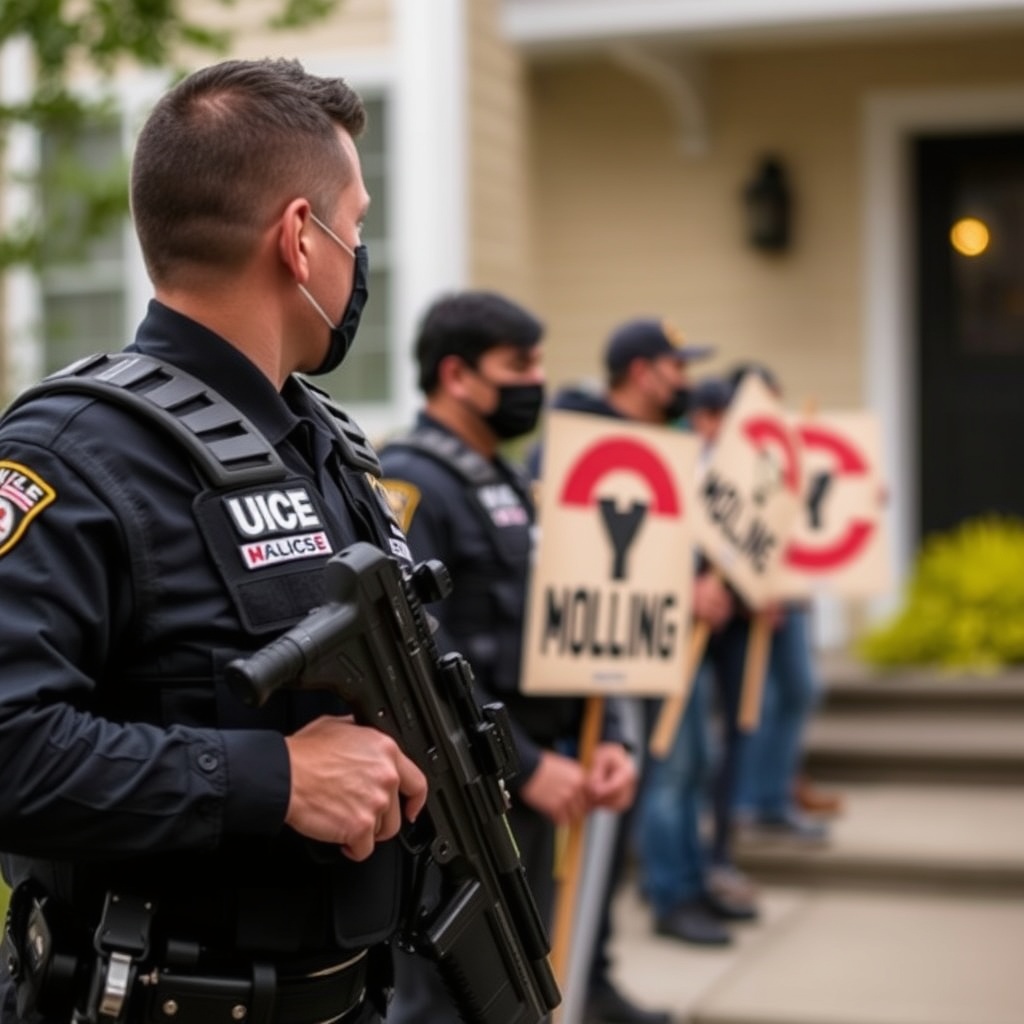
The "No Kings" rallies, which have been taking place across Oregon, have been energized by the incident in Gresham. The rallies, which have drawn hundreds of people, are calling for an end to ICE's aggressive tactics and the protection of immigrant communities. The movement, which has been growing in momentum over the past year, is demanding that ICE be held accountable for its actions and that the rights of immigrant communities be respected.
The rallies have been marked by passionate speeches, chants, and demands for change. Protesters have been carrying signs that read "No Kings" and "Abolish ICE," and have been calling for the defunding of the agency. The movement has been supported by a range of community groups, including immigrant advocacy organizations, labor unions, and faith-based groups.
In Portland, the rallies have been particularly energetic, with protesters gathering outside the ICE complex to demand an end to the agency's aggressive tactics. The city has a long history of activism and protest, and the "No Kings" rallies are the latest example of this tradition. The movement has been fueled by a sense of outrage and frustration with the current immigration system, which many see as broken and in need of reform.
The Use of Force by Federal Agents
In a separate incident, federal agents deployed tear gas and pepper spray on protesters at the ICE complex in Portland. The incident, which was captured on video, shows agents using force to disperse the crowd, despite the fact that the protesters were peaceful and non-violent. The use of force has been widely condemned, with many arguing that it was excessive and unnecessary.
The incident has raised concerns about the use of force by federal agents, particularly in situations where protesters are exercising their right to free speech. The use of tear gas and pepper spray can have serious health consequences, particularly for vulnerable individuals such as the elderly and young children. The incident has sparked an investigation, and there are calls for greater accountability and transparency in the use of force by federal agents.
According to statistics, the use of force by federal agents has been increasing in recent years, particularly in situations where protesters are involved. A report by the National Institute of Justice found that the use of force by law enforcement agencies has increased by 25% over the past five years, with the majority of incidents involving the use of pepper spray or tear gas. The report also found that the use of force is more likely to occur in situations where protesters are perceived as a threat to public order, even if they are peaceful and non-violent.
The Broader Context
The incidents in Gresham and Portland are part of a broader context of tension and conflict between ICE and immigrant communities. In recent years, ICE has been criticized for its aggressive tactics, including the use of raids and deportations to target immigrant communities. The agency has also been accused of violating the rights of immigrants, including the right to due process and the right to seek asylum.
The "No Kings" rallies are part of a growing movement to challenge ICE's actions and to demand greater accountability and transparency. The movement is fueled by a sense of outrage and frustration with the current immigration system, which many see as broken and in need of reform. The rallies are also part of a broader conversation about the role of ICE in American society, and whether the agency is fulfilling its mission to protect national security and public safety.
According to a report by the American Civil Liberties Union (ACLU), ICE has been responsible for a significant increase in deportations and detentions in recent years, with many of these actions being carried out without due process or transparency. The report also found that ICE has been targeting vulnerable populations, including families and children, and that the agency's actions have had a devastating impact on immigrant communities.
Case Studies and Examples
There are several case studies and examples that illustrate the impact of ICE's actions on immigrant communities. For example, the case of Maria Hernandez, a mother of two who was detained by ICE and deported to Mexico, highlights the human cost of the agency's actions. Hernandez, who had been living in the United States for over 10 years, was arrested by ICE agents during a raid on her home. She was detained for several months before being deported, leaving her children behind.
Another example is the case of Juan Sanchez, a father of three who was arrested by ICE agents during a traffic stop. Sanchez, who had been living in the United States for over 15 years, was detained for several weeks before being released on bond. However, his arrest and detention had a significant impact on his family, who were left without a breadwinner and were forced to rely on the support of their community.
Conclusion
The incidents in Gresham and Portland are a stark reminder of the need for greater accountability and transparency in the actions of ICE. The "No Kings" rallies are part of a growing movement to challenge ICE's aggressive tactics and to demand greater protection for immigrant communities. As the debate over immigration reform continues, it is essential that we prioritize the rights and dignity of all individuals, regardless of their immigration status.
The use of force by federal agents, particularly in situations where protesters are peaceful and non-violent, is a serious concern that must be addressed. The deployment of tear gas and pepper spray on protesters at the ICE complex in Portland is a stark example of the need for greater accountability and transparency in the use of force by law enforcement agencies.
As we move forward, it is essential that we prioritize the values of justice, equality, and compassion. We must work to create a more just and equitable immigration system, one that protects the rights and dignity of all individuals, regardless of their immigration status. The "No Kings" rallies are a powerful reminder of the importance of community and the need for collective action to challenge injustice and promote positive change. By working together, we can create a brighter future for all, one that is built on the principles of justice, equality, and human dignity.

Leave a comment