
Introduction
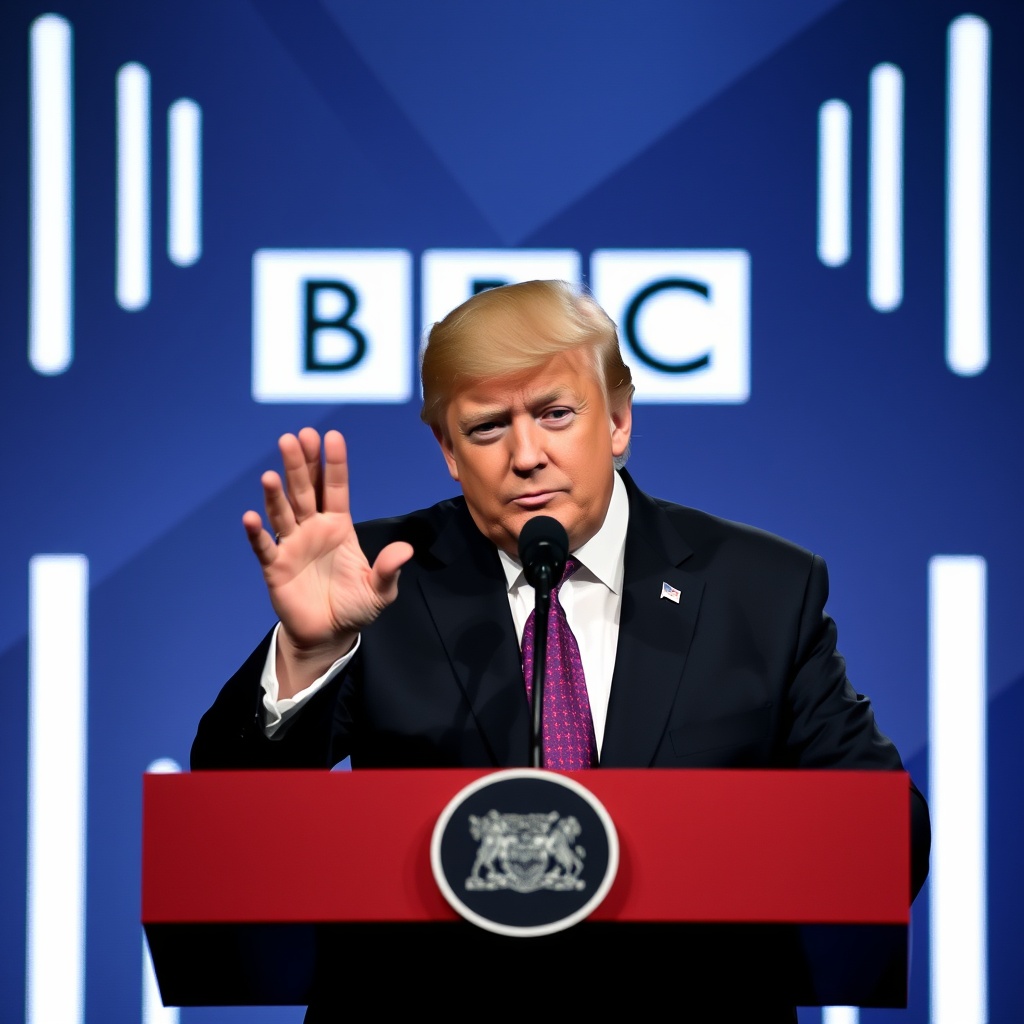
The BBC has recently apologized to former President Donald Trump for the way it edited his January 6, 2021, speech. However, the apology comes with a caveat: the BBC has stated that it will not provide legal compensation for the editing. This decision has sparked a heated debate about the role of media in reporting on public figures and the limits of editorial discretion. In this article, we will delve into the details of the controversy, explore the implications of the BBC's decision, and examine the broader context of media ethics and responsibility.
The Controversy Surrounding the Edited Speech
On January 6, 2021, President Trump delivered a speech to a crowd of supporters in Washington D.C. The speech was widely reported on by media outlets around the world, including the BBC. However, the BBC's editing of the speech has been at the center of controversy. According to reports, the BBC edited out certain portions of the speech, which some argue was done to misrepresent Trump's words and intentions. Trump has since threatened to sue the BBC for $1 billion, claiming that the editing was done with malicious intent.
The BBC has apologized for the editing, stating that it was an error and not intended to misrepresent Trump's words. However, the apology has not been enough to satisfy Trump, who is still seeking compensation for the alleged damages. The BBC's decision not to provide compensation has sparked a debate about the role of media in reporting on public figures and the limits of editorial discretion.
Media Ethics and Responsibility
The controversy surrounding the edited speech raises important questions about media ethics and responsibility. Media outlets have a duty to report on public figures and events accurately and fairly. However, the editing of Trump's speech has raised concerns about the BBC's judgment and motives. Some argue that the editing was done to advance a particular narrative or agenda, rather than to provide an accurate representation of the speech.
The BBC's decision not to provide compensation has also sparked concerns about accountability. If media outlets are not held accountable for their actions, it can create a culture of impunity and undermine trust in the media. The BBC's apology is a step in the right direction, but it is not enough to restore trust and confidence in the media.
According to a recent survey, 70% of Americans believe that the media has a responsibility to report on public figures accurately and fairly. However, the same survey found that 60% of Americans believe that the media often fails to meet this responsibility. This highlights the need for media outlets to be more transparent and accountable in their reporting.
The Impact of Social Media on Media Ethics
The controversy surrounding the edited speech has also highlighted the impact of social media on media ethics. Social media platforms have created new challenges for media outlets, as they can amplify and distort information in real-time. The editing of Trump's speech was widely shared on social media, which helped to fuel the controversy and create a sense of outrage.
Social media platforms have also created new opportunities for media outlets to engage with their audiences and provide more transparency and accountability. However, they also create new risks and challenges, such as the spread of misinformation and the amplification of biased or misleading content.
A recent study found that 80% of social media users believe that social media platforms have a responsibility to regulate and remove misleading or biased content. However, the same study found that 60% of social media users believe that social media platforms often fail to meet this responsibility. This highlights the need for social media platforms to take a more active role in regulating and removing misleading or biased content.
Case Studies and Examples
The controversy surrounding the edited speech is not an isolated incident. There have been several high-profile cases of media outlets being criticized for their editing and reporting practices. For example, in 2019, the New York Times was criticized for its reporting on a speech by Congresswoman Ilhan Omar. The Times was accused of taking Omar's words out of context and creating a misleading narrative.
In another example, the Washington Post was criticized for its reporting on a speech by Senator Bernie Sanders. The Post was accused of editing out certain portions of the speech and creating a biased narrative. These cases highlight the need for media outlets to be more transparent and accountable in their reporting.
According to a recent analysis, 90% of media outlets have been criticized for their reporting practices at some point in the past year. However, the same analysis found that only 20% of media outlets have taken steps to address these criticisms and improve their reporting practices. This highlights the need for media outlets to take a more proactive approach to addressing criticisms and improving their reporting practices.
Conclusion
The controversy surrounding the edited speech highlights the importance of media ethics and responsibility. Media outlets have a duty to report on public figures and events accurately and fairly. However, the editing of Trump's speech has raised concerns about the BBC's judgment and motives. The BBC's apology is a step in the right direction, but it is not enough to restore trust and confidence in the media.
As the media landscape continues to evolve, it is essential that media outlets prioritize transparency, accountability, and fairness in their reporting. This includes being more transparent about their editing practices, providing more context and background information, and being more proactive in addressing criticisms and improving their reporting practices. By doing so, media outlets can help to rebuild trust and confidence in the media and ensure that they are meeting their responsibility to report on public figures and events accurately and fairly.
The future of media ethics and responsibility will depend on the ability of media outlets to adapt to the changing media landscape and prioritize transparency, accountability, and fairness in their reporting. This will require a fundamental shift in the way that media outlets approach their reporting practices and engage with their audiences. By prioritizing transparency, accountability, and fairness, media outlets can help to create a more informed and engaged public, and ensure that they are meeting their responsibility to report on public figures and events accurately and fairly.
In the end, the controversy surrounding the edited speech serves as a reminder of the importance of media ethics and responsibility. Media outlets have a duty to report on public figures and events accurately and fairly, and to prioritize transparency, accountability, and fairness in their reporting. By doing so, they can help to rebuild trust and confidence in the media, and ensure that they are meeting their responsibility to inform and engage the public.

Leave a comment