
Introduction
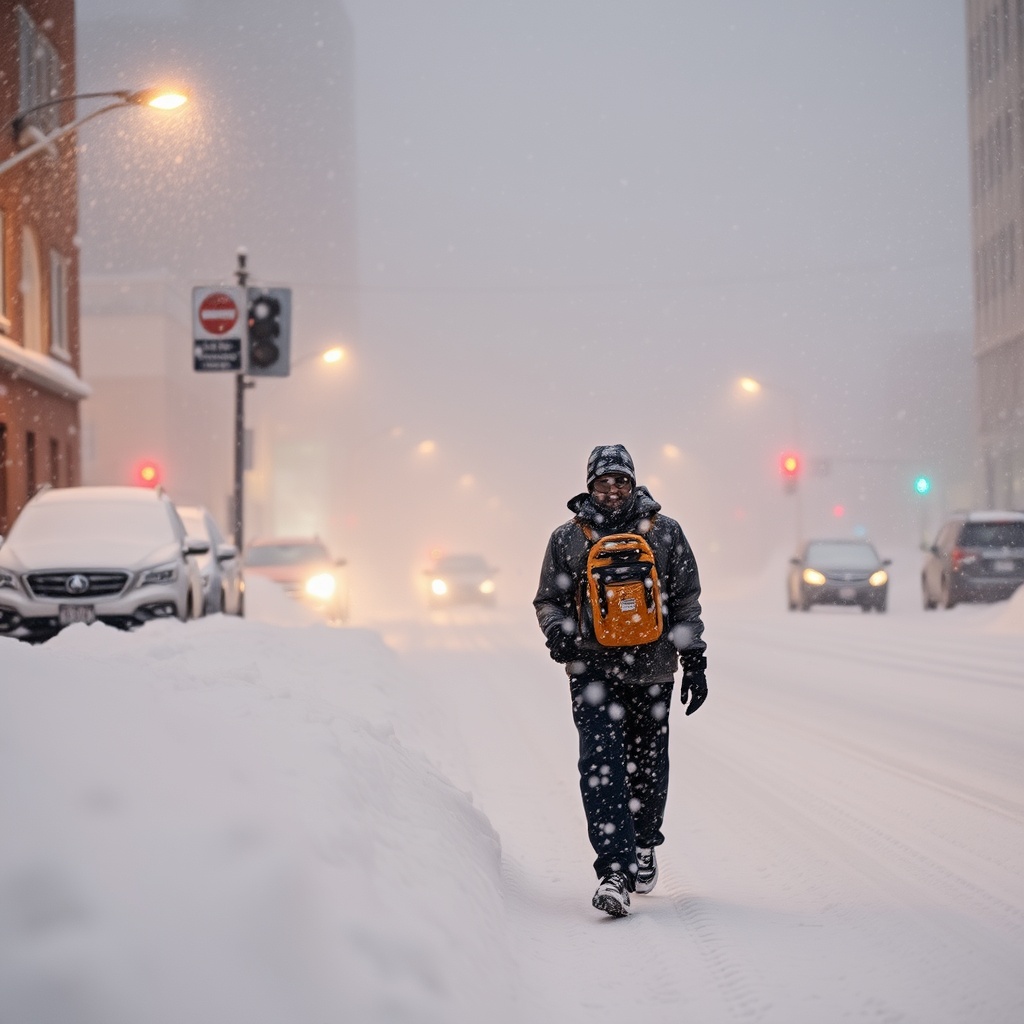
A powerful winter storm has brought blizzard conditions to the Northeast, affecting over 40 million people and dumping more than 2 feet of snow in some areas. The storm, which is expected to continue throughout the day, has led to widespread disruptions, including travel cancellations, school closures, and power outages. As the situation continues to unfold, it is essential to stay informed about the latest developments and take necessary precautions to ensure safety. In this article, we will provide an overview of the blizzard, its impact on the region, and the latest updates on the storm's progress.
Blizzard Conditions and Snowfall
The blizzard, which began on Sunday evening, has brought heavy snowfall and hurricane-force winds to the Northeast. The National Weather Service (NWS) has issued blizzard warnings for several states, including New York, Massachusetts, Vermont, New Hampshire, and Maine. The warnings are in effect until Monday evening, with snowfall rates of up to 2-3 inches per hour expected in some areas. The storm has already dumped over 2 feet of snow in parts of New York, Massachusetts, and Vermont, with some areas receiving even more significant amounts. For example, the town of Worcester, Massachusetts, has reported over 30 inches of snow, while the city of Albany, New York, has received over 25 inches.
The heavy snowfall and strong winds have made travel extremely hazardous, with many roads becoming impassable. The NWS has warned of "whiteout" conditions, with visibility reduced to near zero in some areas. The storm has also led to numerous power outages, with over 100,000 households affected in Massachusetts alone. The Massachusetts Emergency Management Agency (MEMA) has reported that the outages are primarily due to the heavy snow and high winds, which have caused trees and power lines to fall.
Impact on Transportation and Daily Life
The blizzard has had a significant impact on transportation in the region, with many flights, trains, and buses cancelled or delayed. The Federal Aviation Administration (FAA) has reported that over 1,000 flights have been cancelled at airports in the Northeast, including Boston's Logan International Airport and New York's John F. Kennedy International Airport. The FAA has also issued a ground stop for several airports, meaning that no flights are allowed to take off or land.
The storm has also disrupted daily life, with many schools and businesses closed. The Massachusetts Department of Education has reported that over 1,000 schools have been closed due to the storm, affecting over 500,000 students. The city of New York has also closed all public schools, with over 1 million students affected. The closures have been made to ensure the safety of students and staff, as the heavy snow and high winds make travel extremely hazardous.
Emergency Response and Preparations
Emergency responders and officials are working tirelessly to respond to the storm and ensure public safety. The National Guard has been deployed to assist with snow removal and emergency response efforts in several states, including Massachusetts and New York. The American Red Cross has also set up shelters for those affected by the storm, providing food, water, and warmth to those in need.
Residents are being advised to stay indoors and avoid travel unless absolutely necessary. The NWS has warned of the dangers of hypothermia and frostbite, particularly for vulnerable populations such as the elderly and young children. The Centers for Disease Control and Prevention (CDC) have also issued guidelines for preventing hypothermia and frostbite, including dressing warmly, staying dry, and avoiding overexertion.
Economic Impact and Long-term Consequences
The blizzard is expected to have a significant economic impact on the region, particularly in the tourism and retail sectors. The storm has already led to the cancellation of numerous events and conferences, including a major trade show in Boston. The economic impact is expected to be in the millions, with some estimates suggesting that the storm could cost the region up to $1 billion in lost revenue.
The storm may also have long-term consequences for the environment and infrastructure. The heavy snowfall and high winds have caused significant damage to trees and power lines, which could lead to increased risk of wildfires and power outages in the future. The storm has also highlighted the need for improved infrastructure and emergency preparedness measures, particularly in areas prone to extreme weather events.
Conclusion
The blizzard that has affected the Northeast is a powerful reminder of the importance of being prepared for extreme weather events. As the storm continues to unfold, it is essential to stay informed and take necessary precautions to ensure safety. The economic and environmental impacts of the storm will be felt for weeks and months to come, and it is crucial that we learn from this event and take steps to improve our preparedness and resilience in the face of future storms. By working together and supporting each other, we can minimize the impacts of this storm and build a stronger, more resilient community for the future.

Leave a comment