
Introduction to the Impending Blizzard
A powerful winter storm is expected to hit the Tri-State area, comprising New York, New Jersey, and Connecticut, from Sunday afternoon through Monday, potentially bringing the first blizzard to parts of the region in almost a decade. The National Weather Service has issued blizzard and winter storm warnings, signaling a significant and potentially hazardous weather event. As the storm approaches, residents are advised to prepare for heavy snowfall, strong winds, and possible disruptions to daily life. This article will provide an in-depth look at the storm's expected impact, necessary precautions, and historical context, ensuring that readers are well-informed and prepared for the impending blizzard.
Understanding the Storm's Dynamics
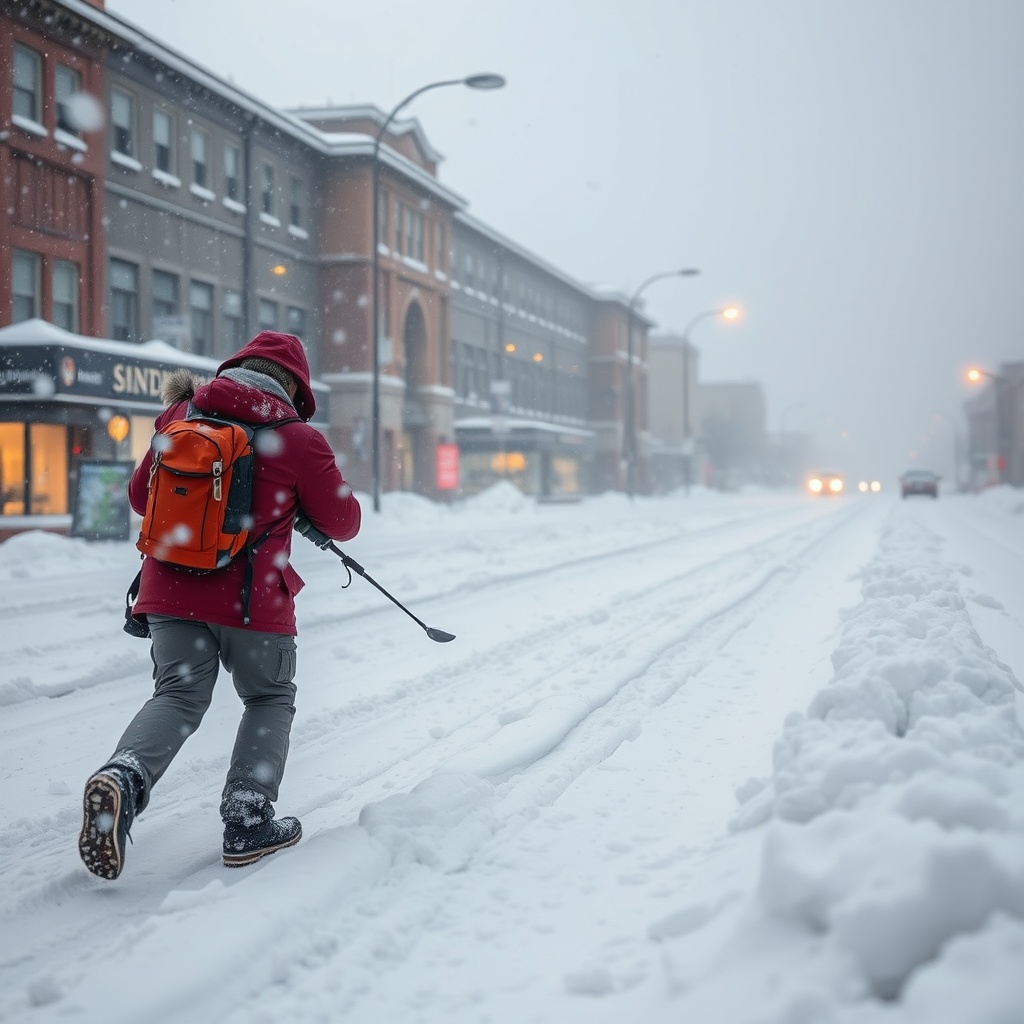
The winter storm is forecasted to move into the Tri-State area on Sunday, with snowfall expected to intensify throughout the day. The storm's powerful dynamics, including low pressure and a strong coastal low, will contribute to significant snowfall totals and strong winds. According to the National Weather Service, the storm has the potential to bring 12-18 inches of snow to parts of the region, with some areas potentially seeing even higher totals. The strong winds, gusting up to 40-50 mph, will lead to significant blowing and drifting snow, reducing visibility and making travel extremely hazardous.
The storm's impact will not be limited to snowfall; the strong winds and heavy snow will also lead to power outages and disruptions to public transportation. Residents are advised to stock up on supplies, including food, water, and medications, in case they are unable to leave their homes. Additionally, the heavy snowfall and strong winds will make travel extremely difficult, if not impossible, during the storm's peak. The New York City Department of Sanitation has already begun preparing for the storm, with over 1,000 salt spreaders and plows at the ready.
Preparing for the Storm
As the storm approaches, residents are urged to take necessary precautions to ensure their safety and the safety of those around them. This includes: * Stocking up on supplies, such as food, water, and medications * Charging electronic devices, including phones and laptops * Having a backup power source, such as a portable charger or generator * Avoiding travel, unless absolutely necessary * Keeping warm and staying indoors during the storm's peak
For those who must travel, it is essential to check the latest road conditions and weather forecasts before embarking on their journey. The New York State Department of Transportation and the New Jersey Department of Transportation will provide updates on road conditions and any travel restrictions. Additionally, residents can sign up for emergency alerts from their local government to stay informed about the storm's progress and any necessary actions.
Historical Context and Comparison
The impending blizzard is expected to be one of the largest in the Tri-State area in almost a decade. The last significant blizzard to hit the region was in 2016, when a powerful winter storm brought over 2 feet of snow to parts of New York and New Jersey. The storm caused widespread disruptions, including power outages and travel bans, and resulted in over $2 billion in damages.
In comparison, the current storm has the potential to be even more significant, with some models predicting snowfall totals exceeding 2 feet in certain areas. The storm's strong winds and heavy snowfall will also contribute to a higher risk of power outages and disruptions to public transportation. Residents are advised to be prepared for an extended period of disruption, with the storm's impact potentially lasting several days.
According to data from the National Weather Service, the Tri-State area experiences an average of 2-3 significant winter storms per year, resulting in an average of 10-15 inches of snowfall per year. However, the current storm has the potential to exceed these averages, making it a significant and potentially historic event.
Case Studies and Examples
The impact of the storm will be felt across the Tri-State area, with different regions experiencing varying levels of disruption. For example, the coastal regions of New Jersey and New York will be particularly vulnerable to the storm's strong winds and heavy snowfall, with a higher risk of power outages and flooding.
In New York City, the storm's impact will be significant, with the city's Department of Sanitation preparing for a major snow removal effort. The city's public transportation system, including subways and buses, may also experience disruptions, with residents advised to check the latest schedules and updates before traveling.
In Connecticut, the storm's impact will be felt across the state, with significant snowfall totals and strong winds expected. The state's Department of Transportation will provide updates on road conditions and any travel restrictions, with residents advised to check the latest information before embarking on their journey.
Conclusion and Future Outlook
The impending blizzard is expected to have a significant impact on the Tri-State area, with heavy snowfall, strong winds, and possible disruptions to daily life. As the storm approaches, residents are urged to take necessary precautions to ensure their safety and the safety of those around them. By understanding the storm's dynamics, preparing for the storm, and staying informed about the latest developments, residents can minimize the storm's impact and stay safe.
As the storm passes, residents can expect a significant cleanup effort, with crews working to clear roads and restore power to affected areas. The storm's impact will also be felt in the days and weeks that follow, with residents advised to check for updates on any ongoing disruptions or restrictions.
In the long term, the storm will serve as a reminder of the importance of being prepared for significant weather events. By investing in infrastructure and emergency preparedness, the Tri-State area can reduce the impact of future storms and ensure the safety and well-being of its residents. As the region looks to the future, it is essential to prioritize emergency preparedness and infrastructure resilience, ensuring that the community is equipped to handle the challenges posed by significant weather events.

Leave a comment