
Introduction
A powerful winter storm, known as a "bomb cyclone," is forecasted to bring heavy snow, blizzard conditions, and dangerous travel to millions of people across the United States. This intense winter weather system is expected to intensify over the next few days, causing widespread disruptions to holiday plans and daily life. The term "bomb cyclone" refers to a rapidly intensifying low-pressure system that drops at least 24 millibars in 24 hours, resulting in severe weather conditions. In this article, we will explore the impacts of the bomb cyclone, the areas affected, and the necessary precautions to take to stay safe during this severe winter weather event.
Impacts of the Bomb Cyclone
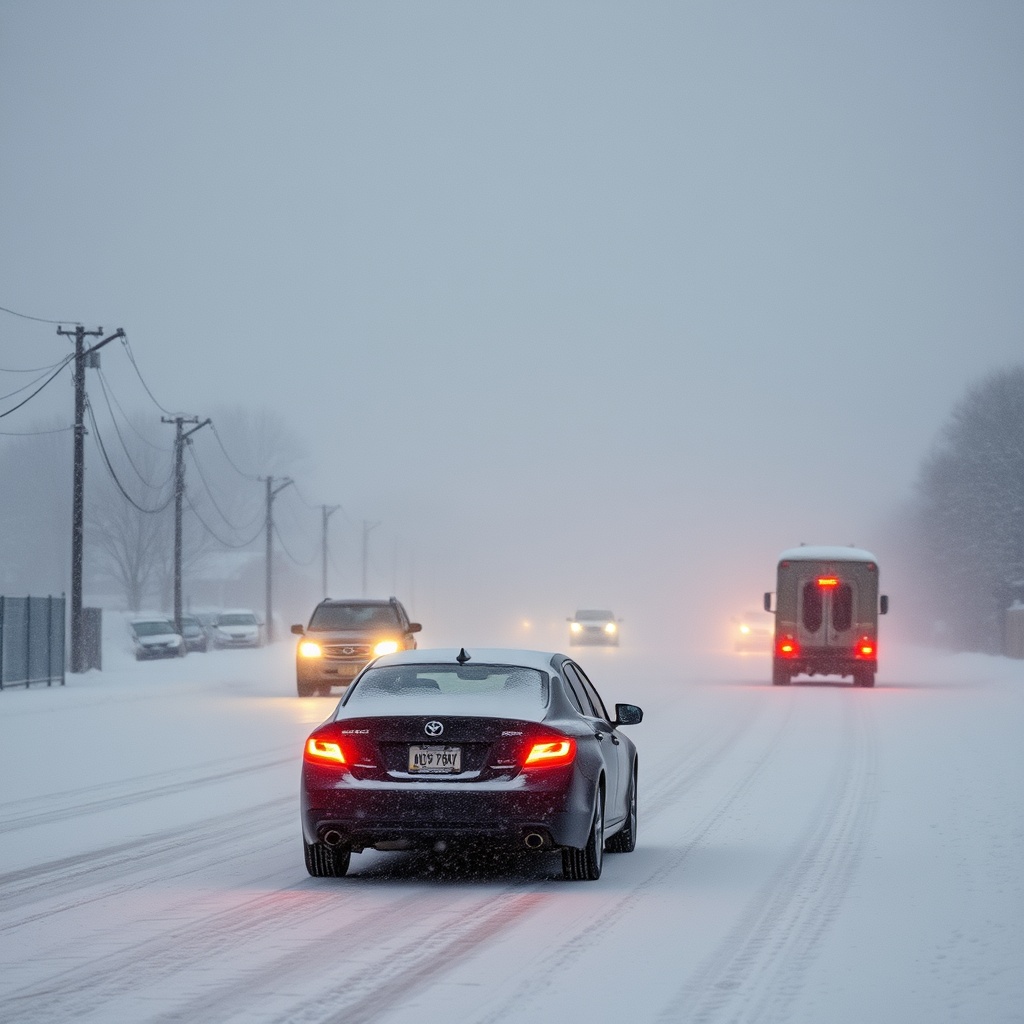
The bomb cyclone is expected to bring heavy snowfall, high winds, and low visibility, making travel extremely hazardous. The National Weather Service has issued blizzard warnings for several states, including Minnesota, Wisconsin, and the Dakotas. The heavy snowfall and strong winds will lead to significant drifting and blowing snow, reducing visibility to near zero at times. This will make it difficult for people to venture outdoors, and those who must travel should exercise extreme caution. The storm is also expected to knock out power, leaving thousands of people without electricity or heat.
According to the National Weather Service, the bomb cyclone will bring snowfall rates of up to 2 inches per hour, with total snowfall accumulations ranging from 6 to 12 inches in some areas. The high winds will also lead to significant blowing and drifting snow, with drifts reaching up to 10 feet in some areas. The storm is expected to affect millions of people, with over 30 million people under winter storm warnings or watches. The economic impact of the storm is also expected to be significant, with estimated losses in the billions of dollars.
Areas Affected
The bomb cyclone is expected to affect a large swath of the United States, including the Midwest, the Great Plains, and the Northeast. The states most affected will be Minnesota, Wisconsin, the Dakotas, and Iowa, where blizzard warnings have been issued. The storm will also affect other states, including Nebraska, Kansas, and Missouri, where winter storm warnings have been issued. The cities most affected will be Minneapolis, Minnesota, and Des Moines, Iowa, where heavy snowfall and high winds are expected.
The bomb cyclone will also have a significant impact on air travel, with over 1,000 flights canceled or delayed. The airports most affected will be Minneapolis-St. Paul International Airport and Des Moines International Airport, where flights have been grounded due to the severe weather conditions. The storm will also affect road travel, with many roads and highways closed due to the heavy snowfall and high winds.
Precautions and Safety Measures
To stay safe during the bomb cyclone, it is essential to take necessary precautions and follow safety measures. The National Weather Service has issued a number of warnings and advisories, including blizzard warnings, winter storm warnings, and travel advisories. People are advised to stay indoors and avoid travel unless absolutely necessary. If travel is necessary, people should exercise extreme caution and follow safety guidelines, such as slowing down, using low gear, and keeping a safe distance from other vehicles.
It is also essential to have a winter emergency kit, which should include items such as flashlights, batteries, first aid kits, and warm blankets. People should also have a plan in place in case of a power outage, including a backup power source, such as a generator or batteries. The American Red Cross has also issued a number of safety tips, including staying informed, having a plan, and staying safe during the storm.
In addition to these precautions, people should also be aware of the risks associated with the bomb cyclone, including hypothermia and frostbite. Hypothermia occurs when the body temperature drops below 95 degrees Fahrenheit, and can be fatal if not treated promptly. Frostbite occurs when the skin freezes, and can cause permanent damage if not treated promptly. People should take steps to prevent these conditions, such as dressing warmly, staying dry, and seeking medical attention if symptoms occur.
Case Studies and Statistics
The bomb cyclone is not an isolated event, and there have been several similar storms in recent years. In 2019, a bomb cyclone affected the Midwest, causing widespread disruptions and damage. The storm brought heavy snowfall, high winds, and low visibility, making travel extremely hazardous. The storm also caused significant economic losses, with estimated losses in the billions of dollars.
According to statistics, the bomb cyclone is expected to be one of the top 10 most significant winter storms of the past decade. The storm is expected to affect over 30 million people, with estimated losses in the billions of dollars. The storm is also expected to cause significant disruptions to air travel, with over 1,000 flights canceled or delayed.
In terms of case studies, there are several examples of bomb cyclones that have had significant impacts on communities. For example, in 2018, a bomb cyclone affected the Northeast, causing widespread disruptions and damage. The storm brought heavy snowfall, high winds, and low visibility, making travel extremely hazardous. The storm also caused significant economic losses, with estimated losses in the billions of dollars.
Conclusion
In conclusion, the bomb cyclone is a significant winter storm that is expected to bring heavy snow, blizzard conditions, and dangerous travel to millions of people across the United States. The storm is expected to intensify over the next few days, causing widespread disruptions to holiday plans and daily life. To stay safe during the storm, it is essential to take necessary precautions and follow safety measures, such as staying indoors, avoiding travel, and having a winter emergency kit.
The bomb cyclone is a reminder of the power and fury of winter storms, and the importance of being prepared and taking necessary precautions. By following safety guidelines and taking necessary precautions, people can reduce their risk of injury or harm during the storm. As the storm continues to intensify, it is essential to stay informed and follow the latest updates and warnings from the National Weather Service and other authorities.
In the future, it is likely that we will see more frequent and intense winter storms, due to climate change and other factors. Therefore, it is essential to be prepared and take necessary precautions to stay safe during these events. By learning from past storms and taking steps to prepare, we can reduce the risks and impacts associated with winter storms, and keep our communities safe and resilient.

Leave a comment