
Introduction
The world was shocked by the recent terrorist attack at Bondi Beach, one of Australia's most iconic and popular tourist destinations. The attack, which was carried out by a father and son duo, has left authorities and the public grappling with the motivations and inspirations behind the violence. According to officials, the perpetrators appear to have been inspired by the Islamic State (IS), a terrorist organization that has been responsible for numerous attacks around the world. In this article, we will delve into the details of the attack, the investigation that followed, and the potential links to terrorist groups.
The Attack and Investigation
On a sunny day in December, the usually peaceful Bondi Beach was disrupted by a violent attack carried out by a father and son. The incident sent shockwaves through the community, with eyewitnesses describing the scene as "chaotic" and "terrifying." The attackers, who were later identified as Australian citizens, used firearms to carry out the attack, which resulted in multiple injuries and fatalities. The swift response of the Australian authorities, including the police and emergency services, helped to contain the situation and prevent further harm.
Following the attack, the Australian police launched a thorough investigation into the incident, including the backgrounds and motivations of the perpetrators. The authorities have revealed that the father and son had traveled to the Philippines last month, a country that has been plagued by terrorist activity in recent years. The trip has raised suspicions about potential links to terrorist groups, including the Islamic State. The police are working to determine whether the duo had any connections to extremist organizations or individuals during their time in the Philippines.
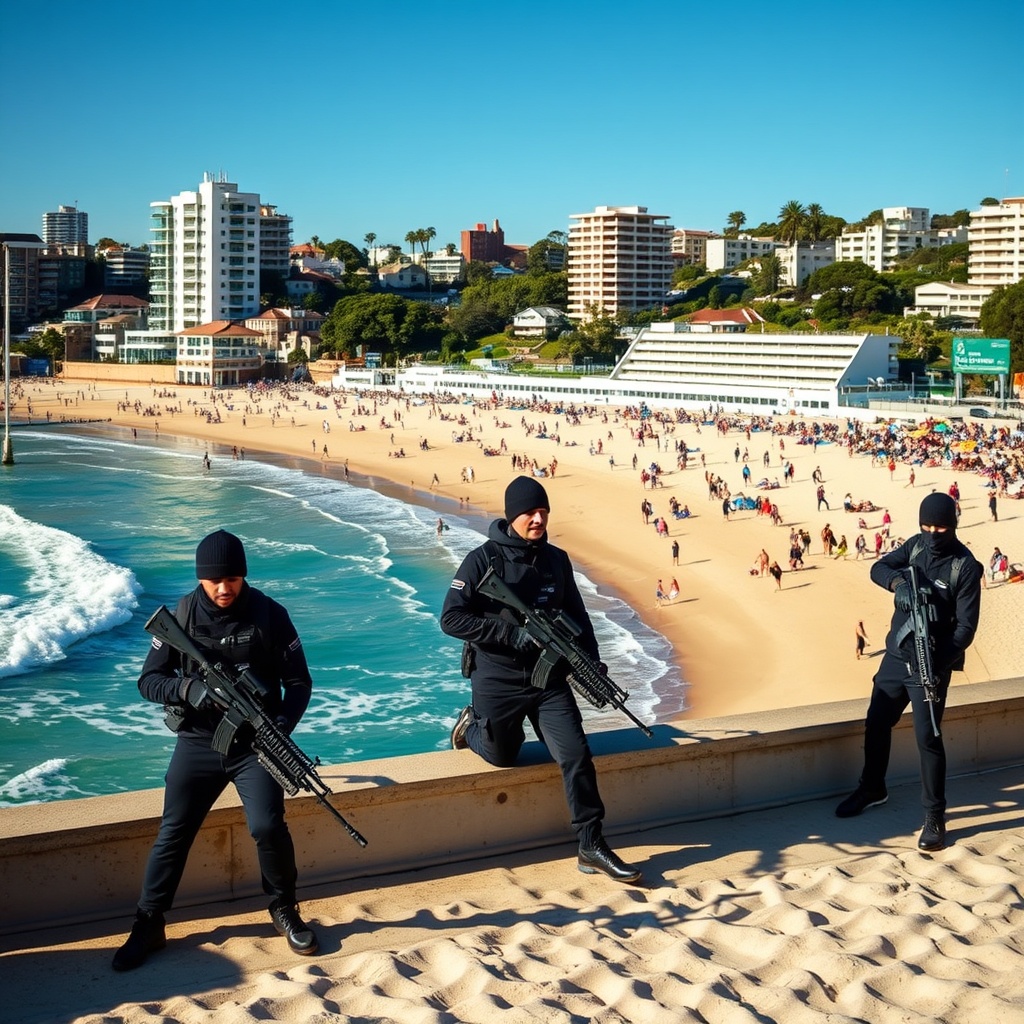
The investigation is ongoing, with the police gathering evidence and interviewing witnesses to piece together the events leading up to the attack. The authorities have also increased security measures at Bondi Beach and other popular tourist destinations, in an effort to prevent similar incidents from occurring in the future. The incident has raised concerns about the threat of terrorism in Australia and the need for continued vigilance and cooperation between law enforcement agencies.
The Islamic State and its Influence
The Islamic State, also known as ISIS or ISIL, is a terrorist organization that has been responsible for numerous attacks around the world. The group's ideology is based on a radical interpretation of Islam, which emphasizes the need for a caliphate, or Islamic state, to be established across the Middle East and beyond. The Islamic State has been known to inspire and recruit individuals from around the world, including from Western countries, to carry out attacks on its behalf.
The group's influence has been felt in many parts of the world, including in the Philippines, where it has been linked to several terrorist organizations. The Philippines has been plagued by terrorist activity in recent years, including attacks carried out by groups such as Abu Sayyaf and the Maute Group. These groups have been known to have links to the Islamic State, and have carried out attacks on behalf of the organization.
The Islamic State's influence has also been felt in Australia, where several individuals have been arrested and charged with terrorism-related offenses. The group's propaganda and recruitment efforts have been particularly effective online, where it has used social media and other platforms to spread its ideology and recruit new members. The Australian authorities have been working to counter the group's influence, including through the use of counter-narrative programs and online disruption efforts.
The Philippines Connection
The Philippines has been a key focus of the investigation into the Bondi Beach attack, with the authorities seeking to determine whether the perpetrators had any links to terrorist groups during their trip to the country. The Philippines has been plagued by terrorist activity in recent years, including attacks carried out by groups such as Abu Sayyaf and the Maute Group. These groups have been known to have links to the Islamic State, and have carried out attacks on behalf of the organization.
The Australian authorities are working closely with their Filipino counterparts to investigate the perpetrators' activities during their time in the Philippines. The police are reviewing the duo's travel records, phone and email communications, and other evidence to determine whether they had any contact with terrorist organizations or individuals. The investigation is also looking into whether the perpetrators received any training or funding from terrorist groups during their time in the Philippines.
The Philippines connection is significant, as it highlights the global nature of the terrorist threat. The Islamic State and other terrorist organizations have been known to operate across borders, using networks of sympathizers and supporters to carry out attacks. The Bondi Beach attack is a stark reminder of the need for continued cooperation and intelligence sharing between countries to counter the terrorist threat.
Conclusion
The Bondi Beach attack is a tragic reminder of the ongoing threat of terrorism in Australia and around the world. The incident highlights the need for continued vigilance and cooperation between law enforcement agencies to counter the terrorist threat. The investigation into the attack is ongoing, with the authorities working to determine the motivations and inspirations behind the violence.
The Islamic State's influence has been felt in many parts of the world, including in the Philippines, where it has been linked to several terrorist organizations. The group's propaganda and recruitment efforts have been particularly effective online, where it has used social media and other platforms to spread its ideology and recruit new members.
As the investigation into the Bondi Beach attack continues, it is clear that the threat of terrorism will remain a significant concern for Australia and other countries. The incident highlights the need for continued cooperation and intelligence sharing between countries to counter the terrorist threat. It also underscores the importance of community-based programs and initiatives to prevent the spread of extremist ideologies and to support individuals who may be vulnerable to radicalization.
In the aftermath of the Bondi Beach attack, the Australian authorities have increased security measures at popular tourist destinations, including Bondi Beach. The incident has also sparked a renewed focus on counter-terrorism efforts, including the use of counter-narrative programs and online disruption efforts to counter the Islamic State's influence.
As we look to the future, it is clear that the threat of terrorism will remain a significant concern for Australia and other countries. However, by working together and sharing intelligence and best practices, we can reduce the risk of terrorist attacks and create a safer and more secure world for all. The Bondi Beach attack is a tragic reminder of the need for continued vigilance and cooperation, but it also highlights the resilience and strength of the Australian community in the face of adversity.

Leave a comment