
Celebration or Grief: The Complex Emotions Surrounding Khamenei's Death in Iran
The recent passing of Iran's Supreme Leader, Ali Khamenei, has sent shockwaves throughout the nation, eliciting a wide range of emotions from its citizens. While some have publicly mourned the leader's demise, others have taken to the streets to celebrate, highlighting the deep-seated divisions within Iranian society. This article will delve into the contrasting emotions surrounding Khamenei's death, exploring the historical context, the impact of his rule, and the potential implications for Iran's future.
A Legacy of Controversy: Understanding Khamenei's Rule
Ali Khamenei had been the Supreme Leader of Iran since 1989, making him one of the longest-serving heads of state in the Middle East. During his tenure, Khamenei oversaw a period of significant economic growth, but also widespread human rights abuses, repression of dissent, and international isolation. His government was marked by a strict adherence to conservative Islamic values, which often put him at odds with the more liberal segments of Iranian society.
Khamenei's rule was also marked by a series of brutal crackdowns on opposition movements, including the Green Movement in 2009 and the more recent protests in January 2026. These events have left deep scars on the Iranian people, with many feeling that their voices have been silenced and their rights ignored. The violent suppression of dissent has created a sense of mistrust and resentment towards the government, which has been exacerbated by the country's economic struggles and international sanctions.
A Nation Divided: Contrasting Emotions in the Streets
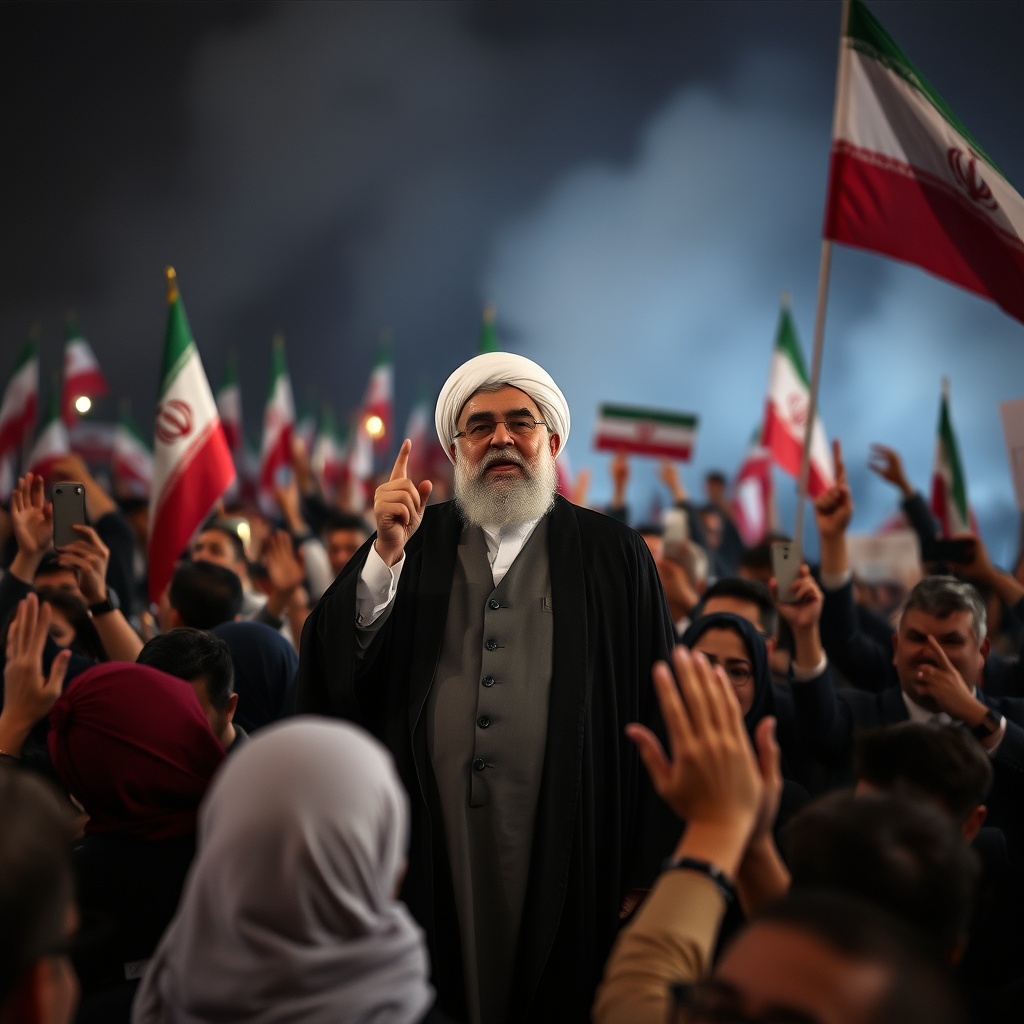
The death of Khamenei has brought to the surface the complex and often contradictory emotions that exist within Iranian society. On one hand, many Iranians have taken to the streets to mourn the leader's passing, with some even weeping openly in public. These mourners are largely composed of conservative Iranians who see Khamenei as a symbol of national pride and stability.
On the other hand, videos have emerged on social media showing jubilant scenes of celebration, with people dancing and cheering in the streets. These celebrations are largely driven by those who have been oppressed and marginalized by Khamenei's regime, including women, minorities, and liberal activists. For these individuals, Khamenei's death represents a potential opportunity for change and a chance to rebuild their country.
The contrast between these two reactions is stark, highlighting the deep divisions that exist within Iranian society. While some see Khamenei as a unifying figure, others view him as a symbol of oppression and tyranny. This dichotomy is reflective of the broader struggles that Iran faces, including the tension between tradition and modernity, and the conflict between authoritarianism and democracy.
Looking to the Future: Uncertainty and Opportunity
The death of Khamenei has created a power vacuum in Iran, with many wondering what the future holds for the country. The Supreme Leader's passing has sparked a succession crisis, with various factions vying for control of the government. This period of uncertainty has created both opportunities and challenges for Iran, as the country navigates a complex web of internal and external pressures.
One potential outcome of Khamenei's death is a shift towards greater liberalization and reform. With the conservative leader gone, there may be an opportunity for more moderate voices to emerge and push for change. This could include reforms aimed at improving human rights, increasing transparency, and promoting economic development.
However, there are also risks associated with this transition period. The power vacuum created by Khamenei's death could lead to instability and conflict, as different factions compete for control. This could result in a period of repression and violence, as the government seeks to maintain order and suppress dissent.
Case Studies: The Impact of Khamenei's Rule on Iranian Society
To better understand the complexities surrounding Khamenei's death, it is helpful to examine the impact of his rule on various segments of Iranian society. For example, the Iranian women's rights movement has been severely restricted under Khamenei's leadership, with women facing significant barriers to education, employment, and political participation.
Similarly, the country's minority groups, including Kurds, Arabs, and Baloch, have faced significant repression and discrimination under Khamenei's rule. These groups have been subject to forced assimilation, cultural suppression, and economic marginalization, leading to widespread resentment and anger towards the government.
In contrast, the Iranian economy has experienced significant growth under Khamenei's leadership, driven largely by the country's vast oil and gas reserves. However, this growth has been unevenly distributed, with many Iranians struggling to make ends meet and access basic services such as healthcare and education.
Statistics: The Human Cost of Khamenei's Rule
The human cost of Khamenei's rule is staggering, with thousands of Iranians killed, injured, or imprisoned during his tenure. According to human rights groups, the Iranian government has executed over 4,000 people since 2010, with many more languishing in prison or facing torture and abuse.
The country's economy has also suffered significantly under Khamenei's leadership, with inflation soaring and unemployment rates remaining high. According to the World Bank, Iran's economy has grown at an average rate of just 2% per year since 2010, compared to a regional average of 4%.
Conclusion: A New Era for Iran?
The death of Ali Khamenei marks a significant turning point in Iran's history, offering both opportunities and challenges for the country. As Iranians navigate this complex and uncertain period, it is essential to recognize the deep-seated divisions that exist within society and the need for inclusive and democratic governance.
While some may mourn the passing of Khamenei, others see his death as a chance for renewal and reform. As the country looks to the future, it is essential to prioritize human rights, transparency, and economic development, and to create a more just and equitable society for all Iranians.
Ultimately, the legacy of Khamenei's rule will be complex and multifaceted, reflecting both the achievements and the challenges of his tenure. As Iran embarks on a new era, it is essential to learn from the past and to work towards a brighter future, one that is built on the principles of democracy, human rights, and social justice.

Leave a comment