
Introduction
The diplomatic relationship between China and Japan has been strained in recent years, with tensions escalating over various issues, including territorial disputes and historical grievances. The latest development in this ongoing saga is China's advisory against travel to Japan, sparked by comments made by Tokyo's new prime minister regarding Taiwan. This article will delve into the details of the current situation, exploring the historical context of China-Japan relations, the specific comments that led to the current escalation, and the potential implications of this advisory on both countries' economies and international relations.
Historical Context of China-Japan Relations
China and Japan have a complex and often contentious history, with disputes over territory, resources, and historical narratives. One of the most significant points of contention is the Senkaku/Diaoyu Islands, a group of uninhabited islands in the East China Sea that are administered by Japan but claimed by China. This dispute has led to numerous incidents, including the detention of Chinese fishermen by Japanese authorities and the deployment of Chinese coast guard vessels to the area.
Another significant issue is the legacy of Japan's military aggression in China during World War II, including the Nanking Massacre and the use of forced labor. China has long called for Japan to acknowledge and atone for these historical wrongs, while Japan has been accused of downplaying or whitewashing its wartime atrocities. These historical grievances have contributed to a deep-seated mistrust and animosity between the two nations.
The Current Escalation: PM's Taiwan Comments
The current diplomatic feud between China and Japan was sparked by comments made by Tokyo's new prime minister regarding Taiwan. The prime minister's statement, which was seen as supportive of Taiwan's independence, was swiftly condemned by China as an interference in its internal affairs. China considers Taiwan to be a part of its territory and has long been sensitive to any perceived challenges to its sovereignty over the island.
In response to the prime minister's comments, China's foreign ministry summoned the Japanese ambassador to express its strong opposition and demand that Japan clarify its position on the Taiwan issue. China also announced that it would be imposing sanctions on Japanese companies and individuals deemed to be interfering in its internal affairs.
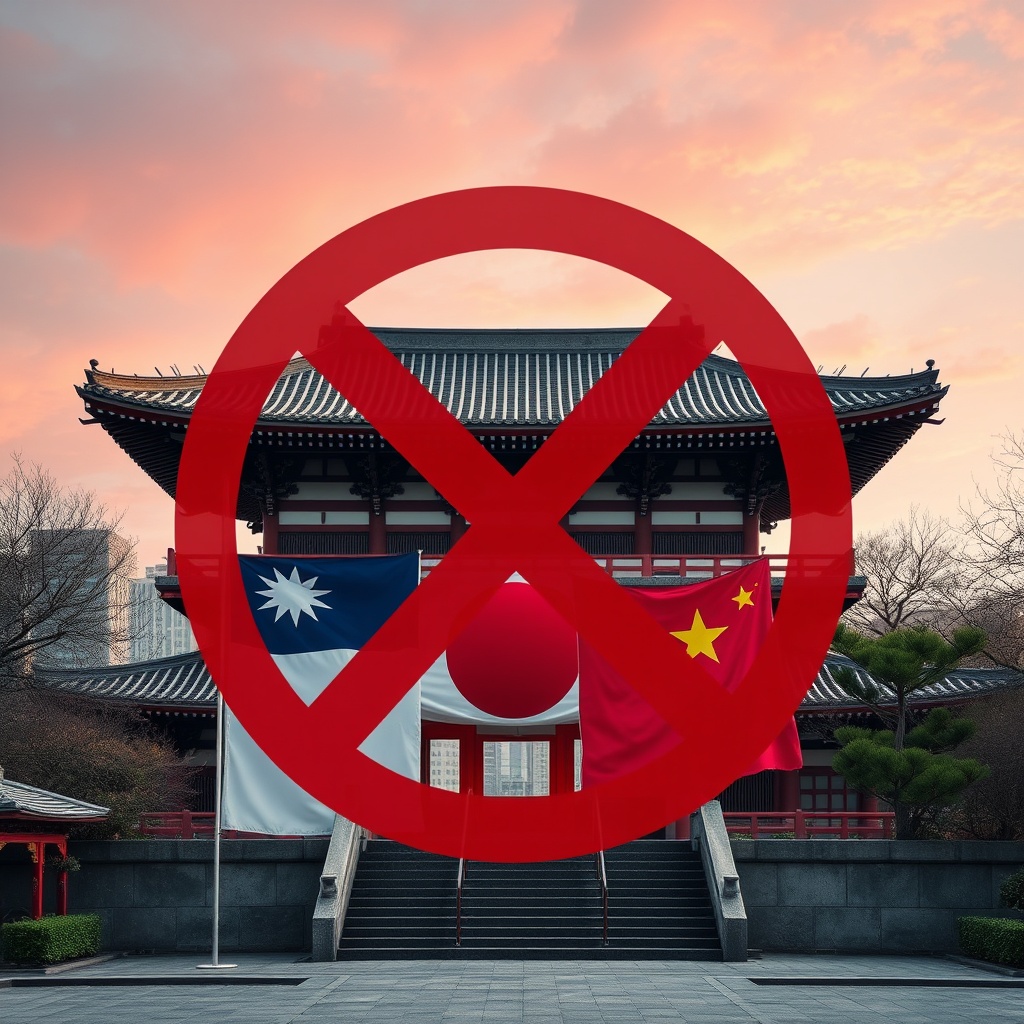
The advisory against travel to Japan is the latest escalation in this diplomatic row, with China's foreign ministry warning its citizens of the potential risks of traveling to Japan due to the "current complex and sensitive" situation. This move is seen as a significant escalation, as it has the potential to impact not only diplomatic relations but also the economies of both countries.
Potential Implications of the Travel Advisory
The travel advisory issued by China has significant implications for both countries' economies, particularly in the tourism and trade sectors. Japan is a popular destination for Chinese tourists, with over 9.5 million Chinese visitors in 2020, according to the Japan National Tourism Organization. The advisory is likely to lead to a significant decline in Chinese tourism to Japan, which could have a substantial impact on Japan's economy.
Furthermore, the diplomatic feud could also impact trade relations between the two countries. China is Japan's largest trading partner, and any disruption to trade could have significant economic consequences for both nations. The sanctions imposed by China on Japanese companies and individuals could also have a chilling effect on investment and business ties between the two countries.
In addition to the economic implications, the travel advisory also has significant diplomatic implications. The move is seen as a clear escalation of tensions between the two countries and could potentially lead to further retaliatory measures. The international community is watching the situation closely, with concerns that the dispute could have broader regional and global implications.
Case Studies and Statistics
To understand the potential impact of the travel advisory, it is useful to look at case studies and statistics from similar diplomatic disputes. For example, during the 2012 Senkaku/Diaoyu Islands dispute, Chinese tourists canceled trips to Japan, resulting in a significant decline in Japanese tourism revenues. According to a report by the Japanese government, the number of Chinese tourists to Japan declined by 25% in 2012 compared to the previous year.
In terms of trade, the diplomatic feud could also have significant implications. According to a report by the Peterson Institute for International Economics, a 10% decline in trade between China and Japan could result in a 0.5% decline in Japan's GDP and a 0.2% decline in China's GDP.
Conclusion
The diplomatic feud between China and Japan over the prime minister's Taiwan comments has significant implications for both countries' economies and international relations. The travel advisory issued by China is a clear escalation of tensions and could lead to further retaliatory measures. As the international community watches the situation closely, it is essential to understand the historical context of China-Japan relations and the potential implications of this diplomatic row.
The situation highlights the need for careful diplomacy and cooperation between nations to resolve disputes and prevent escalation. It also underscores the importance of considering the potential economic and diplomatic implications of diplomatic feuds and the need for leaders to be mindful of the potential consequences of their words and actions.
As the situation continues to unfold, it is likely that the international community will be closely watching the developments between China and Japan. The potential implications of this diplomatic row are far-reaching, and it is essential to consider the potential consequences for regional and global stability. Ultimately, the resolution of this dispute will require careful diplomacy, cooperation, and a commitment to finding a peaceful and mutually beneficial solution.

Leave a comment