
Introduction
The ongoing tensions between China and Taiwan have escalated in recent days, with China's People's Liberation Army (PLA) conducting large-scale military drills around Taiwan as part of "Justice Mission 2025." The exercises, which began on a day when the US and Japan were holding their own military drills in the region, demonstrate China's blockade capabilities and its determination to assert its territorial claims over Taiwan. This article will delve into the details of these military drills, their implications for regional security, and the responses of other countries to China's actions.
Background and Context
The Taiwan Strait has long been a flashpoint in the region, with China considering Taiwan a part of its territory and Taiwan seeing itself as a sovereign nation. The situation is further complicated by the involvement of other countries, particularly the United States, which has historically been a strong supporter of Taiwan. The US has a long-standing policy of strategic ambiguity towards Taiwan, neither confirming nor denying its commitment to defend the island in the event of a Chinese attack. However, recent statements and actions by the US suggest a strengthening of its ties with Taiwan, which China views as a challenge to its sovereignty.
The "Justice Mission 2025" military drills are a clear demonstration of China's military capabilities and its ability to blockade Taiwan. The exercises involve a range of military assets, including warships, submarines, and aircraft, and are designed to simulate a scenario in which China would need to use military force to assert its control over Taiwan. The drills are also seen as a response to the growing military cooperation between the US and Taiwan, as well as the increasing presence of US military assets in the region.
Military Drills and Blockade Capabilities
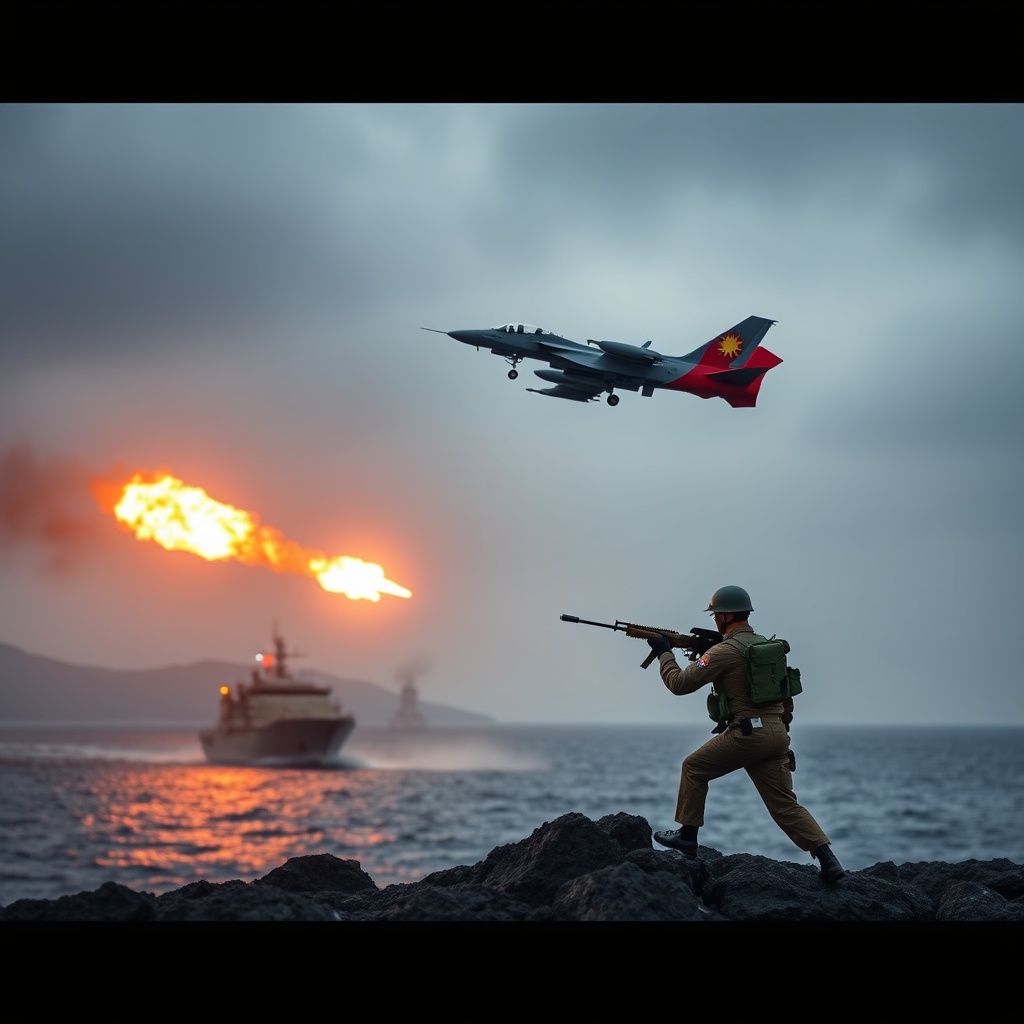
The military drills conducted by China's PLA are a significant show of force, demonstrating the country's ability to project power and assert its dominance in the region. The exercises involve a range of activities, including live-fire drills, amphibious landings, and airborne operations. The drills are also designed to test China's ability to blockade Taiwan, which would involve preventing the island from receiving supplies and support from the outside world.
China's blockade capabilities are a key component of its military strategy, and the drills are an opportunity for the PLA to practice and refine its techniques. The exercises involve a range of military assets, including warships, submarines, and aircraft, which would be used to enforce a blockade of Taiwan. The drills also involve the use of advanced technologies, such as drones and cyber warfare capabilities, which would be used to disrupt Taiwan's command and control systems and undermine its ability to respond to a Chinese attack.
The implications of China's military drills are significant, and have been closely watched by other countries in the region. The US, in particular, has been critical of China's actions, and has accused Beijing of attempting to intimidate and coerce Taiwan. The US has also responded to China's drills by conducting its own military exercises in the region, which have been seen as a demonstration of its commitment to defending Taiwan and maintaining regional security.
Regional Responses and Implications
The responses of other countries to China's military drills have been varied, reflecting the complex and multifaceted nature of the issue. The US, as mentioned, has been critical of China's actions and has conducted its own military exercises in the region. Japan, which has its own territorial disputes with China, has also been watching the situation closely and has expressed its support for Taiwan.
Other countries in the region, such as South Korea and Australia, have also been monitoring the situation and have expressed their concerns about the potential for conflict. The European Union has also weighed in on the issue, calling for restraint and diplomacy to resolve the tensions between China and Taiwan.
The implications of China's military drills are significant, and have the potential to destabilize the entire region. The exercises demonstrate China's growing military capabilities and its determination to assert its territorial claims over Taiwan. The drills also reflect the increasing tensions between China and the US, which have been exacerbated by the COVID-19 pandemic and other issues.
Economic and Diplomatic Implications
The economic and diplomatic implications of China's military drills are also significant, and have the potential to affect trade and investment in the region. The drills have already had an impact on the Taiwanese economy, with the stock market and currency experiencing fluctuations in response to the tensions.
The drills have also had an impact on China's relations with other countries, particularly the US. The US has been critical of China's actions, and has accused Beijing of attempting to intimidate and coerce Taiwan. The tensions between China and the US have also had an impact on trade and investment, with the two countries engaging in a trade war and competing for influence in the region.
The diplomatic implications of China's military drills are also significant, and have the potential to affect the regional security architecture. The drills have already led to an increase in tensions between China and other countries in the region, and have raised concerns about the potential for conflict. The drills have also highlighted the need for diplomacy and dialogue to resolve the tensions between China and Taiwan, and to promote regional security and stability.
Conclusion
In conclusion, China's military drills around Taiwan are a significant development in the region, and have the potential to destabilize the entire area. The exercises demonstrate China's growing military capabilities and its determination to assert its territorial claims over Taiwan. The drills have also had an impact on the regional security architecture, and have raised concerns about the potential for conflict.
The responses of other countries to China's military drills have been varied, reflecting the complex and multifaceted nature of the issue. The US, Japan, and other countries have been critical of China's actions, and have called for restraint and diplomacy to resolve the tensions between China and Taiwan.
As the situation continues to evolve, it is clear that the tensions between China and Taiwan will remain a major issue in the region. The need for diplomacy and dialogue to resolve the tensions and promote regional security and stability is clear, and it is essential that all parties involved work towards a peaceful and negotiated solution. The international community must also remain vigilant and engaged, and must work to promote a stable and secure environment in the region. Ultimately, the future of Taiwan and the region will depend on the ability of all parties to work together and find a peaceful and lasting solution to the tensions that have been building for so long.

Leave a comment