
Introduction
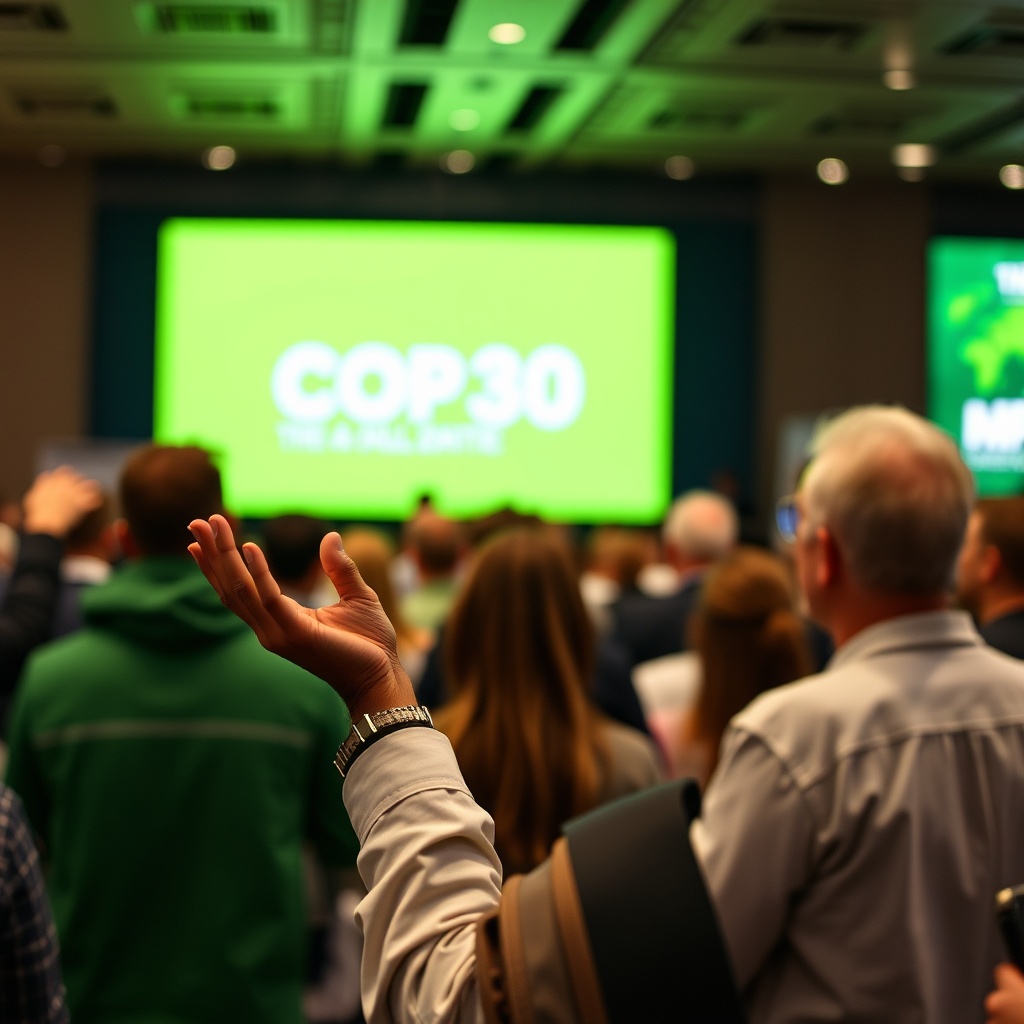
The COP30 Climate Summit, held in Belem, has come to a close, leaving many with a sense of disappointment and urgency. The summit, which brought together world leaders to discuss the growing threat of climate change, ended with a final agreement that has been criticized for its lack of concrete action and failure to address the root causes of the crisis. The agreement, which made no direct mention of fossil fuels, was seen as a victory for countries like Saudi Arabia and Russia, which have been resistant to efforts to reduce their reliance on these polluting energy sources. In this article, we will examine the outcomes of the COP30 Climate Summit, the implications of the final agreement, and the dire warnings issued by scientists and experts.
The Final Agreement: A Missed Opportunity
The final agreement reached at the COP30 Climate Summit has been widely criticized for its lack of ambition and failure to address the urgent need for action on climate change. The agreement, which was negotiated by representatives from nearly 200 countries, made no direct mention of fossil fuels, despite the fact that these energy sources are responsible for the majority of greenhouse gas emissions. This omission was seen as a major victory for countries like Saudi Arabia and Russia, which have been pushing to maintain their reliance on fossil fuels. According to a report by the International Energy Agency, the world's energy systems are still heavily reliant on fossil fuels, with 84% of the world's energy coming from oil, gas, and coal.
The agreement did include some positive language on issues like climate finance and adaptation, but these provisions were seen as insufficient to address the scale and urgency of the crisis. For example, the agreement included a commitment to provide $100 billion in climate finance to developing countries by 2025, but this goal has been criticized for being too little, too late. According to a report by the United Nations, the cost of adapting to climate change in developing countries could reach $300 billion per year by 2030.
The Science: Dire Warnings and Urgent Action Needed
The science on climate change is clear: the world is facing a catastrophic crisis that requires immediate and drastic action. The Intergovernmental Panel on Climate Change (IPCC) has warned that in order to limit global warming to 1.5°C above pre-industrial levels, the world must reduce greenhouse gas emissions by 45% by 2030 and reach net-zero by 2050. However, current country pledges under the Paris Agreement would only limit warming to around 3°C, a level that would have devastating consequences for ecosystems, economies, and human societies.
The IPCC has also warned that the window for action is rapidly closing. According to the IPCC, the world has only about a decade to take drastic action to reduce emissions and avoid the worst impacts of climate change. This warning was echoed by scientists and experts at the COP30 Climate Summit, who urged world leaders to take immediate and drastic action to address the crisis. For example, a report by the World Meteorological Organization found that the past four years have been the hottest on record, with 2020 being the hottest year ever recorded globally.
The Implications: A Future of Climate Chaos
The implications of the COP30 Climate Summit are dire. The failure to address the root causes of the climate crisis and the lack of concrete action to reduce emissions mean that the world is likely to face a future of climate chaos. Rising temperatures, more frequent natural disasters, and devastating impacts on ecosystems and human societies are just a few of the consequences that can be expected.
The economic implications of climate change are also significant. According to a report by the Economist Intelligence Unit, the economic costs of climate change could reach $7.9 trillion by 2050, with the poorest countries being hit the hardest. The human costs are also staggering, with the World Health Organization estimating that between 2030 and 2050, climate change will cause approximately 250,000 additional deaths per year, mainly due to malnutrition, malaria, diarrhea, and heat stress.
Case Studies: Success Stories and Lessons Learned
Despite the lack of progress at the COP30 Climate Summit, there are many success stories and lessons learned from around the world that can inform and inspire action on climate change. For example, countries like Costa Rica and Norway have made significant progress in reducing their greenhouse gas emissions and transitioning to renewable energy. Costa Rica, for instance, has set a goal of becoming carbon-neutral by 2050 and has made significant strides in reforestation and renewable energy.
Cities and states are also taking action, with many implementing their own climate plans and policies. For example, the city of Copenhagen has set a goal of becoming carbon-neutral by 2025 and has implemented a range of initiatives, including a carbon tax and a green roof program. These success stories demonstrate that action on climate change is possible and that there are many examples of effective policies and practices that can be replicated and scaled up.
Conclusion
The COP30 Climate Summit has ended with dire warnings and scant plans for action, leaving many to wonder if the world is capable of addressing the climate crisis. The final agreement, which made no direct mention of fossil fuels, was a missed opportunity to take concrete action on the root causes of the crisis. The science is clear: the world is facing a catastrophic crisis that requires immediate and drastic action. The implications of inaction are dire, with rising temperatures, more frequent natural disasters, and devastating impacts on ecosystems and human societies.
However, there are also many success stories and lessons learned from around the world that can inform and inspire action on climate change. Countries, cities, and states are taking action, and there are many examples of effective policies and practices that can be replicated and scaled up. The future of the planet depends on it. As the world looks to the future, it is clear that the fight against climate change will require sustained effort, determination, and cooperation. The question is, will world leaders rise to the challenge, or will the window for action close, leaving future generations to face the devastating consequences of climate chaos? Only time will tell, but one thing is certain: the clock is ticking, and the world must act now to avoid the worst impacts of climate change.

Leave a comment