
Introduction
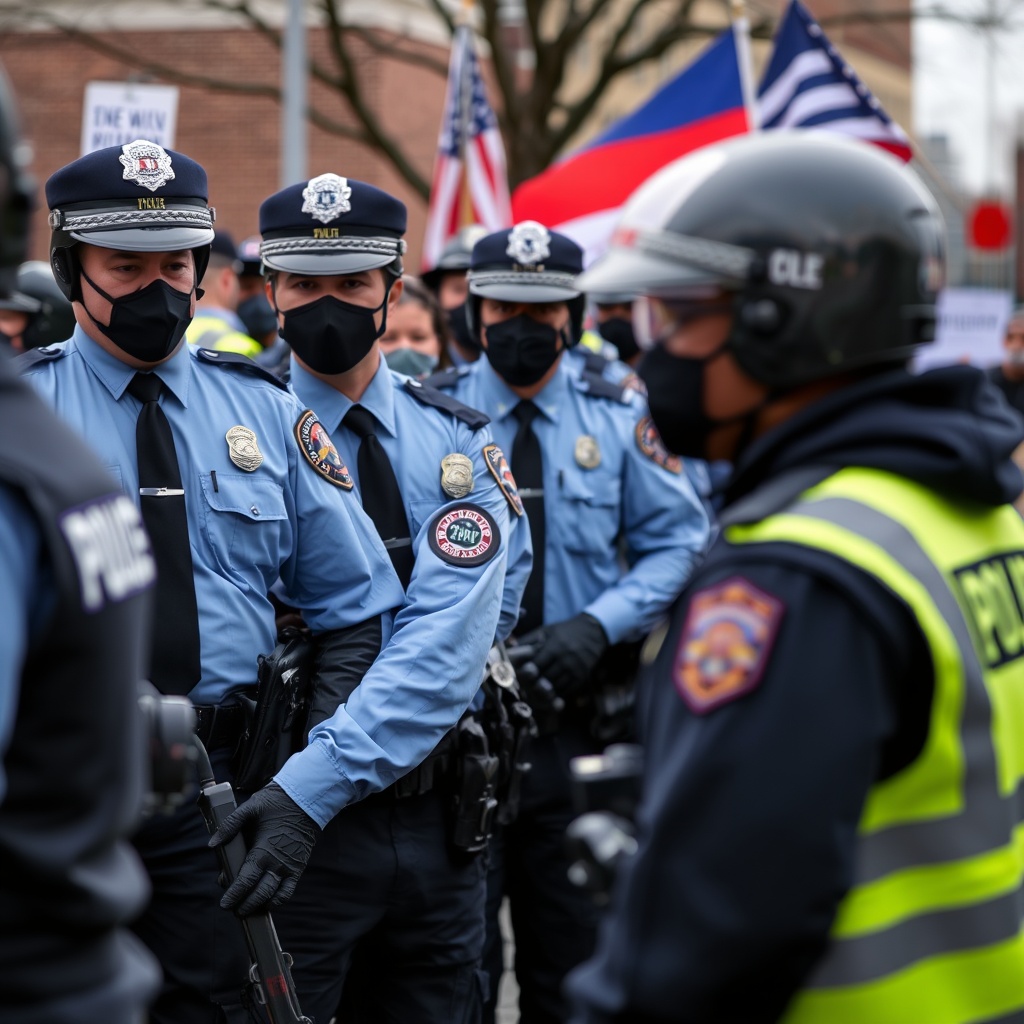
On Friday, a protest against immigration "abductions" in the Chicago area turned violent, resulting in the injury of several police officers and the arrest of 21 individuals, including faith leaders. The scuffles broke out approximately an hour after the protest began at the Broadview ICE facility, highlighting the deep-seated tensions and emotions surrounding the issue of immigration in the United States. This article will delve into the details of the protest, the events that led to the scuffles, and the implications of the incident on the broader conversation about immigration and law enforcement.
Background on the Protest
The protest at the Broadview ICE facility was organized in response to concerns about the treatment of immigrants in the Chicago area. The facility, which is operated by U.S. Immigration and Customs Enforcement (ICE), has been the site of numerous protests and demonstrations in recent years, with many advocating for the abolition of ICE and an end to immigration detention. The protest on Friday was specifically focused on the issue of immigration "abductions," which refers to the practice of ICE agents detaining and deporting individuals who are in the country without proper documentation.
According to reports, the protest began peacefully, with demonstrators gathering outside the facility and holding signs and banners. However, as the protest wore on, tensions began to rise, and yelling and shoving broke out between protesters and law enforcement officers. The scuffles resulted in the injury of several police officers, although the extent of their injuries is not currently known.
The Role of Faith Leaders
Among those arrested during the protest were several faith leaders, who had joined the demonstration to show their support for the immigrant community. The involvement of faith leaders in the protest highlights the important role that religious organizations and individuals are playing in the debate over immigration. Many faith leaders have spoken out against the Trump administration's immigration policies, which they see as inhumane and unjust. By participating in the protest, these leaders were able to put their words into action and demonstrate their commitment to the cause of immigrant justice.
The arrest of faith leaders during the protest has also sparked controversy, with some arguing that it is unacceptable for law enforcement to target individuals who are exercising their right to free speech and assembly. In a statement, one of the arrested faith leaders said, "We were simply trying to stand in solidarity with our immigrant brothers and sisters, and to call attention to the injustices that they are facing. We will continue to speak out and to advocate for justice, even in the face of repression and intimidation."
Implications of the Incident
The scuffles and arrests at the Broadview ICE facility protest have significant implications for the broader conversation about immigration and law enforcement. The incident highlights the deep-seated tensions and emotions that surround the issue of immigration, and the need for a more nuanced and compassionate approach to addressing the complex challenges that it presents.
The incident also raises important questions about the role of law enforcement in responding to protests and demonstrations. While law enforcement officers have a duty to maintain public safety and order, they must also respect the rights of individuals to free speech and assembly. The use of force and the arrest of protesters, including faith leaders, can have a chilling effect on the exercise of these rights, and can undermine trust and confidence in law enforcement.
In the aftermath of the incident, there are likely to be calls for greater accountability and transparency in the way that law enforcement responds to protests and demonstrations. This may include the use of body cameras and other forms of surveillance to document interactions between law enforcement and protesters, as well as the establishment of clear protocols and guidelines for responding to protests and demonstrations.
Statistics and Data
According to data from the American Civil Liberties Union (ACLU), there were over 1,000 protests and demonstrations against ICE and immigration detention in 2020, resulting in over 500 arrests. The data also shows that the majority of these protests were peaceful, with only a small percentage resulting in violence or property damage.
In terms of the impact of immigration enforcement on communities, a study by the Center for American Progress found that the average cost of detaining an immigrant is over $100 per day, with the total cost of immigration detention exceeding $2 billion per year. The study also found that the majority of immigrants who are detained are not a threat to public safety, and that many are fleeing violence and persecution in their home countries.
Case Studies
One notable example of the impact of immigration enforcement on communities is the case of the city of Chicago, which has been a sanctuary city since 2012. According to a study by the University of Illinois, the city's sanctuary policy has resulted in a significant decrease in crime, as well as an increase in economic growth and development. The study also found that the policy has helped to build trust and confidence between law enforcement and immigrant communities, which is critical for maintaining public safety and order.
Another example is the case of the state of California, which has been at the forefront of efforts to resist the Trump administration's immigration policies. In 2017, the state passed a law that prohibited state and local law enforcement from cooperating with federal immigration authorities, except in cases where an individual has been convicted of a serious crime. The law has been the subject of controversy and litigation, but it has also helped to protect the rights and dignity of immigrant communities in the state.
Conclusion
The scuffles and arrests at the Broadview ICE facility protest highlight the deep-seated tensions and emotions that surround the issue of immigration in the United States. The incident also raises important questions about the role of law enforcement in responding to protests and demonstrations, and the need for greater accountability and transparency in the way that law enforcement interacts with immigrant communities.
As the debate over immigration continues, it is essential that policymakers and law enforcement officials prioritize the safety, dignity, and human rights of all individuals, regardless of their immigration status. This may involve adopting more compassionate and nuanced approaches to immigration enforcement, as well as working to build trust and confidence between law enforcement and immigrant communities.
Ultimately, the incident at the Broadview ICE facility protest is a reminder that the issue of immigration is complex and multifaceted, and that it requires a comprehensive and inclusive approach that takes into account the needs and concerns of all stakeholders. By working together and engaging in respectful and constructive dialogue, we can build a more just and equitable society for all, and ensure that the rights and dignity of immigrant communities are protected and respected.

Leave a comment