
Introduction
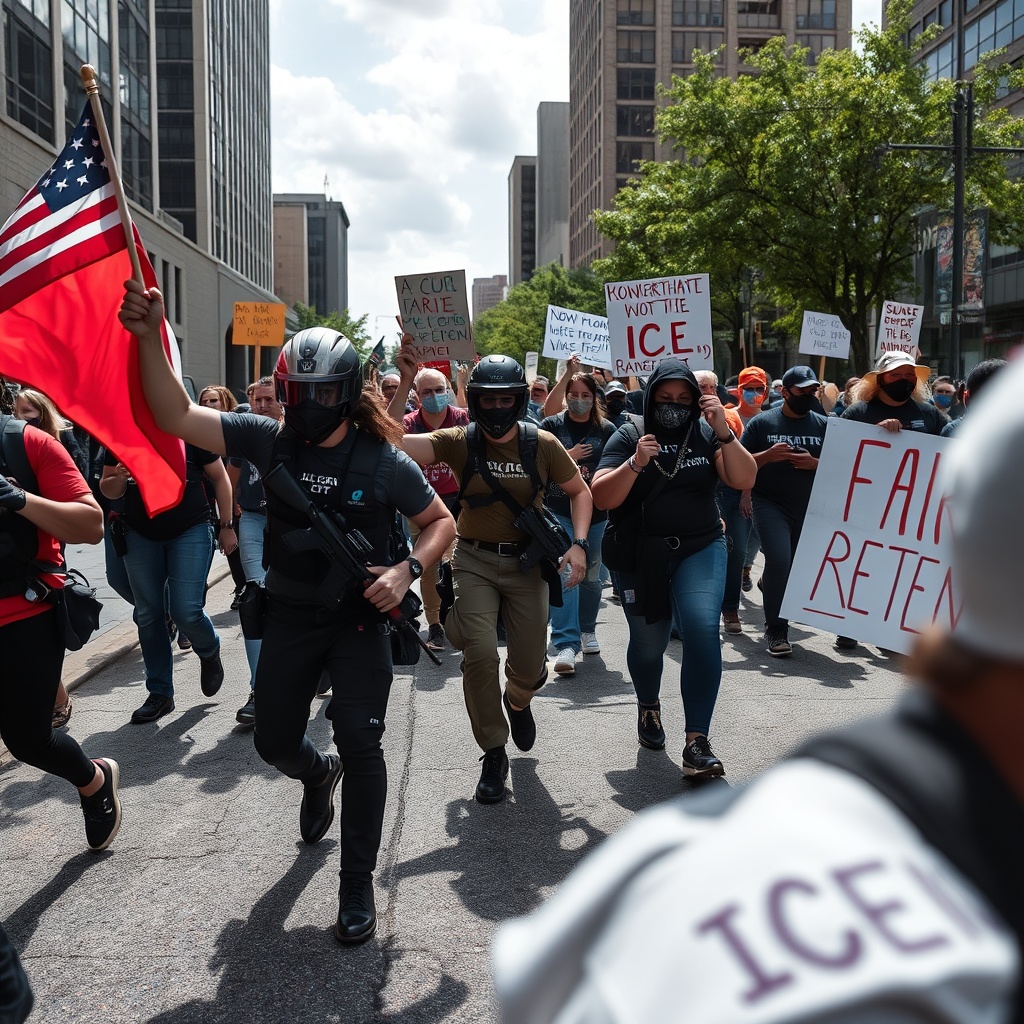
The city of Minneapolis witnessed a dramatic scene on a recent day as counterprotesters vastly outnumbered and chased off far-right activists at a pro-ICE rally. The rally, organized by Jake Lang, was intended to promote anti-Islam, anti-Somali, and pro-ICE sentiments, but it was met with fierce resistance from the local community. The event highlights the growing divide in the United States, with far-right groups promoting divisive ideologies and counterprotesters pushing back against hate speech and discrimination. In this article, we will delve into the details of the event, explore the context of far-right activism in the United States, and examine the impact of counterprotests on promoting social cohesion and inclusivity.
The Rise of Far-Right Activism in the United States
Far-right activism has been on the rise in the United States in recent years, with groups promoting white nationalism, anti-immigration, and anti-Islam sentiments. These groups often use social media and online platforms to spread their ideologies and recruit new members. The pro-ICE rally in Minneapolis is just one example of the growing presence of far-right activism in the country. According to a report by the Southern Poverty Law Center, the number of hate groups in the United States has increased by 50% since 2015, with many of these groups promoting anti-immigration and anti-Islam ideologies.
The rise of far-right activism has been fueled by a range of factors, including economic anxiety, social media, and the normalization of hate speech. Many far-right activists feel that their voices are not being heard and that they are being marginalized by the mainstream media and political establishment. However, their ideologies are often based on misinformation and prejudice, and they often target vulnerable communities, including immigrants, Muslims, and people of color. For example, a study by the Pew Research Center found that 64% of Americans believe that the country's growing diversity makes it a better place to live, while 31% believe that it makes it a worse place. This divide in opinion highlights the need for greater understanding and empathy between different communities.
The Power of Counterprotests
Counterprotests have become an increasingly important way for communities to push back against far-right activism and promote social cohesion and inclusivity. The counterprotest in Minneapolis is just one example of the power of community-led activism. By vastly outnumbering the far-right activists, the counterprotesters sent a clear message that hate speech and discrimination are not welcome in their city. According to a report by the Anti-Defamation League, counterprotests have been effective in disrupting far-right rallies and reducing their impact. For example, a counterprotest in Charlottesville, Virginia, in 2018 helped to shut down a white nationalist rally and led to the arrest of several far-right activists.
Counterprotests are not just about opposing far-right ideologies; they are also about promoting a positive and inclusive vision for society. Many counterprotests feature music, art, and other forms of creative expression, which help to build a sense of community and solidarity among participants. For example, a counterprotest in New York City in 2020 featured a rally with speakers, music, and a march through the streets, which helped to promote a sense of unity and purpose among participants. By promoting a positive and inclusive vision for society, counterprotests can help to build bridges between different communities and promote social cohesion.
The Impact of Social Media on Far-Right Activism
Social media has played a significant role in the rise of far-right activism in the United States. Platforms such as Facebook, Twitter, and YouTube have provided far-right groups with a means to spread their ideologies and recruit new members. According to a report by the Data & Society Research Institute, social media has been used by far-right groups to promote hate speech, harassment, and violence. For example, a study by the Knight Foundation found that 70% of Americans believe that social media companies have a responsibility to remove hate speech from their platforms.
However, social media has also been used by counterprotesters to promote their cause and build support. Many counterprotest groups use social media to organize events, share information, and promote their message. For example, a counterprotest group in Minneapolis used social media to promote their rally and encourage people to attend. By using social media in a positive and inclusive way, counterprotesters can help to build a sense of community and solidarity among participants and promote a positive vision for society.
Case Studies: The Impact of Counterprotests on Far-Right Activism
There have been several case studies that demonstrate the impact of counterprotests on far-right activism. For example, a counterprotest in Berkeley, California, in 2017 helped to shut down a far-right rally and led to the arrest of several far-right activists. Similarly, a counterprotest in Boston, Massachusetts, in 2018 helped to promote a sense of unity and purpose among participants and sent a clear message that hate speech and discrimination are not welcome in the city.
Another example is the counterprotest in Portland, Oregon, in 2019, which helped to disrupt a far-right rally and led to the arrest of several far-right activists. These case studies demonstrate the power of counterprotests in promoting social cohesion and inclusivity and highlight the importance of community-led activism in pushing back against far-right ideologies.
Statistics: The Rise of Far-Right Activism and Counterprotests
According to a report by the Southern Poverty Law Center, the number of hate groups in the United States has increased by 50% since 2015. The report also found that the number of far-right rallies and protests has increased by 30% since 2015. These statistics highlight the growing threat of far-right activism in the United States and the need for counterprotests to push back against these ideologies.
On the other hand, a report by the Anti-Defamation League found that 75% of Americans believe that counterprotests are an effective way to promote social cohesion and inclusivity. The report also found that 60% of Americans believe that counterprotests help to build bridges between different communities. These statistics demonstrate the importance of counterprotests in promoting a positive and inclusive vision for society.
Conclusion
The pro-ICE rally in Minneapolis and the subsequent counterprotest highlight the growing divide in the United States between far-right activism and community-led activism. While far-right groups promote divisive ideologies and hate speech, counterprotesters are pushing back against these ideologies and promoting a positive and inclusive vision for society. The power of counterprotests lies in their ability to build bridges between different communities and promote social cohesion and inclusivity.
As the United States continues to grapple with the challenges of far-right activism, it is essential to recognize the importance of counterprotests in promoting a positive and inclusive vision for society. By using social media and other forms of creative expression, counterprotesters can help to build a sense of community and solidarity among participants and promote a positive vision for society. Ultimately, the future of the United States depends on the ability of its citizens to come together and promote a vision of inclusivity, diversity, and social cohesion. By supporting counterprotests and community-led activism, we can help to build a brighter future for all Americans.

Leave a comment