
Introduction
A recent incident has sparked international attention and raised concerns about maritime security and border control. On February 25, 2026, Cuban border agents fired upon a Florida-tagged speedboat, resulting in the death of four individuals. This incident has significant implications for the relationship between the United States and Cuba, as well as the safety of those navigating the waters between the two nations. In this article, we will delve into the details of the incident, explore the historical context of U.S.-Cuba relations, and examine the potential consequences of this event.
Background and Incident Details
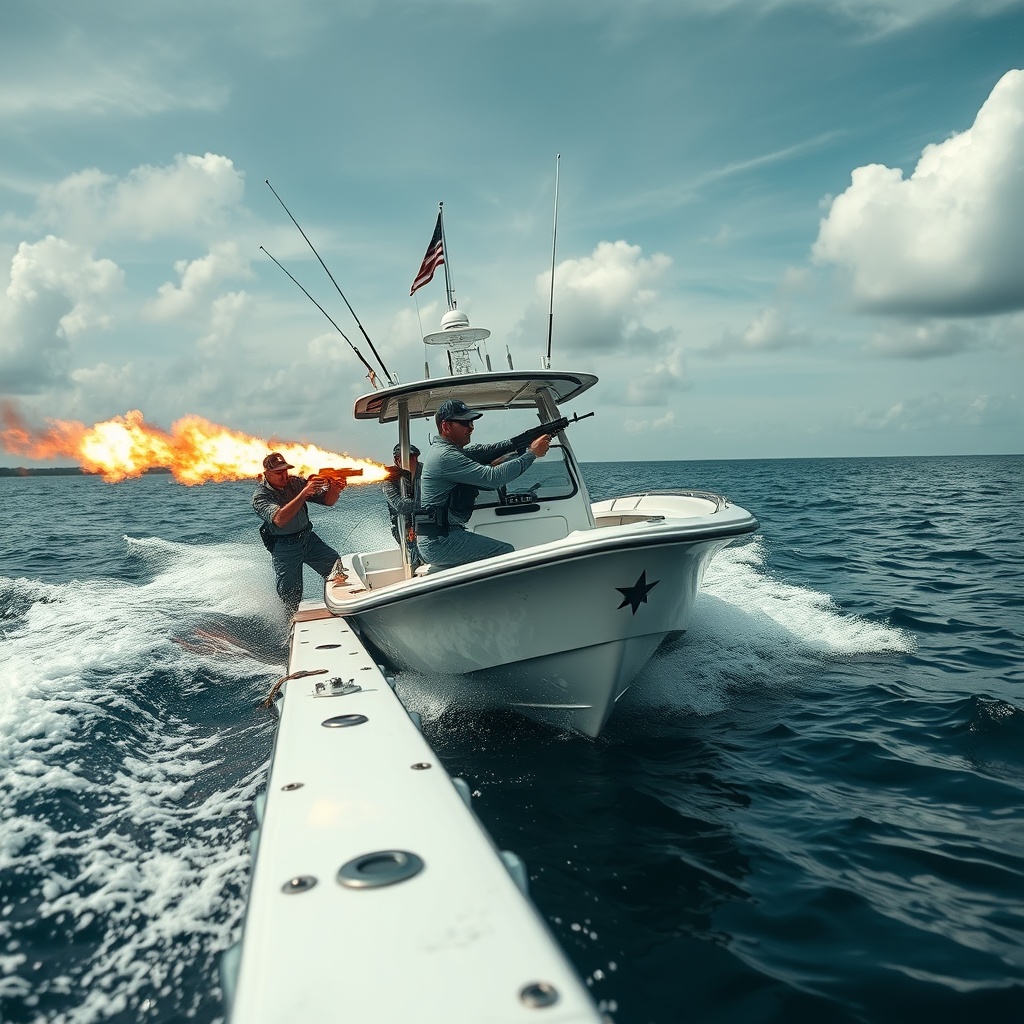
The incident occurred when a speedboat bearing Florida registration tags approached the Cuban coast. According to Cuba's Ministry of the Interior, the vessel was intercepted by border patrol forces, who attempted to stop the boat. However, the occupants of the speedboat allegedly refused to comply, leading to a shootout between the two parties. Unfortunately, four individuals on the speedboat lost their lives in the exchange of fire.
The Cuban government has stated that the speedboat was carrying individuals who were attempting to enter the country illegally. However, the identities and motivations of those on board have not been officially disclosed. The incident has raised questions about the circumstances surrounding the shootout and whether the use of force by Cuban border agents was justified.
Historical Context of U.S.-Cuba Relations
The relationship between the United States and Cuba has been complex and often tumultuous. Following the Cuban Revolution in 1959, the two nations have had limited diplomatic and economic ties. The U.S. imposed a trade embargo on Cuba in 1960, which has been in place ever since. However, in recent years, there have been efforts to normalize relations between the two countries.
In 2015, the Obama administration announced a significant shift in U.S. policy towards Cuba, easing travel and trade restrictions. However, the Trump administration later rolled back some of these changes, and the Biden administration has been slow to reinstate them. The current incident has the potential to further strain relations between the two nations, particularly if it is perceived that the Cuban government used excessive force or that the U.S. government failed to adequately warn its citizens about the risks of approaching Cuban waters.
Maritime Security and Border Control
The incident highlights the challenges of maritime security and border control in the region. The waters between the United States and Cuba are a busy shipping lane, with many vessels passing through the area each day. However, the area is also known to be a hub for human trafficking, drug smuggling, and other illicit activities.
Cuba has long been concerned about the potential for illegal immigration and the smuggling of contraband into the country. The government has implemented strict border control measures, including the use of military personnel and equipment to patrol the coast. However, these measures have been criticized by human rights groups, who argue that they can lead to the use of excessive force and put the lives of migrants and other individuals at risk.
The United States has also been criticized for its handling of maritime security in the region. The U.S. Coast Guard is responsible for patrolling the waters between the two nations, but it has limited resources and often relies on cooperation with Cuban authorities to intercept suspicious vessels. The incident has raised questions about whether the U.S. government is doing enough to warn its citizens about the risks of approaching Cuban waters and to prevent incidents like this from occurring in the future.
Potential Consequences and Future Directions
The incident has significant implications for the relationship between the United States and Cuba, as well as for maritime security and border control in the region. The Cuban government has defended its actions, stating that the border agents were acting in accordance with international law and Cuban regulations. However, the U.S. government has expressed concern about the use of force and has called for a thorough investigation into the incident.
The incident is likely to lead to increased tensions between the two nations, at least in the short term. The U.S. government may impose additional sanctions or travel restrictions on Cuba, while the Cuban government may respond by increasing its military presence in the region.
However, it is also possible that the incident could lead to increased cooperation between the two nations on maritime security and border control. The U.S. and Cuba have a mutual interest in preventing human trafficking, drug smuggling, and other illicit activities in the region. By working together, they may be able to develop more effective strategies for patrolling the waters and preventing incidents like this from occurring in the future.
In conclusion, the incident in which Cuban border agents fired upon a Florida-tagged speedboat, killing four, is a complex and multifaceted issue. The incident has significant implications for the relationship between the United States and Cuba, as well as for maritime security and border control in the region. As the investigation into the incident continues, it is essential to consider the historical context of U.S.-Cuba relations, the challenges of maritime security and border control, and the potential consequences of this event. By working together and engaging in constructive dialogue, the two nations may be able to develop more effective strategies for preventing incidents like this from occurring in the future and promoting greater cooperation and understanding in the region.
Conclusion
The recent incident in which Cuban border agents fired upon a Florida-tagged speedboat, killing four, is a tragic reminder of the complexities and challenges of maritime security and border control in the region. As the investigation into the incident continues, it is essential to consider the historical context of U.S.-Cuba relations, the challenges of maritime security and border control, and the potential consequences of this event. By working together and engaging in constructive dialogue, the two nations may be able to develop more effective strategies for preventing incidents like this from occurring in the future and promoting greater cooperation and understanding in the region. Ultimately, the future of U.S.-Cuba relations will depend on the ability of both nations to find common ground and work towards a more peaceful and secure future for all.

Leave a comment