
Introduction
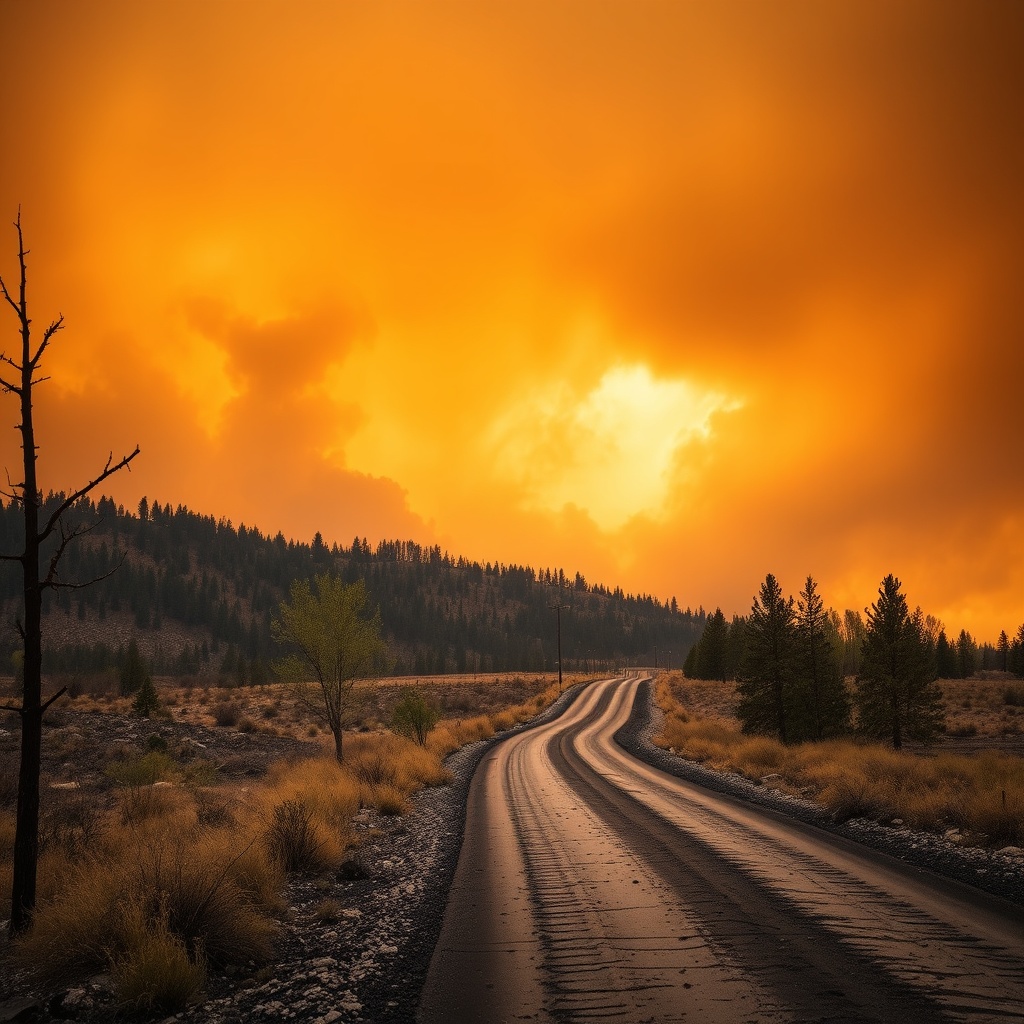
The state of Colorado, particularly the Front Range, is bracing itself for a potentially catastrophic fire situation. For the first time in Colorado's history, the National Weather Service office in Boulder has issued an extraordinary warning, known as "A Particularly Dangerous Situation," due to the forecast of strong winds and dry conditions. This warning is a rare and serious alert that signals an elevated risk of wildfires spreading rapidly and uncontrollably. As the region prepares for another day of strong winds, residents and authorities are on high alert, taking necessary precautions to mitigate the risks and prevent devastating wildfires.
Understanding the Warning and Its Implications
The "A Particularly Dangerous Situation" warning is the highest level of alert issued by the National Weather Service. It indicates that the conditions are ripe for extreme fire behavior, with the potential for fires to spread rapidly and exhibit violent behavior. This warning is typically reserved for situations where the combination of weather conditions, fuel loads, and topography creates an environment that is highly conducive to catastrophic wildfires. In this case, the strong winds forecasted for the Front Range, combined with the dry conditions and abundant fuel loads, have prompted the National Weather Service to issue this rare and serious warning.
The implications of this warning are far-reaching and significant. It signals to residents, firefighters, and emergency responders that the situation is potentially catastrophic and that prompt action is necessary to prevent and respond to wildfires. The warning also serves as a call to action for residents to take necessary precautions, such as creating defensible spaces around their homes, having evacuation plans in place, and being prepared to respond quickly in the event of a wildfire. For example, the city of Boulder has already taken proactive measures, including increasing the number of firefighters on duty and conducting preemptive burns to reduce fuel loads.
The Role of Weather Conditions in Wildfire Risk
Weather conditions play a critical role in determining the risk of wildfires. Strong winds, dry conditions, and high temperatures are the perfect storm for creating an environment that is conducive to wildfires. In the case of the Front Range, the strong winds forecasted for the region will not only contribute to the spread of wildfires but also make it challenging for firefighters to contain them. The winds will also increase the risk of embers being blown ahead of the fire, igniting new fires and making it difficult to predict the fire's behavior.
According to data from the National Interagency Coordination Center, the number of wildfires in the United States has been increasing over the past few decades, with the majority of these fires occurring in the western states. In 2020, for example, there were over 58,000 wildfires in the United States, burning more than 10 million acres of land. The economic costs of these fires are staggering, with estimated damages totaling over $3 billion. In Colorado, the situation is particularly dire, with the state experiencing some of the most destructive wildfires in its history in recent years.
Preparing for and Responding to Wildfires
Preparing for and responding to wildfires requires a multi-faceted approach that involves residents, firefighters, and emergency responders. Residents can take steps to create defensible spaces around their homes, such as clearing flammable vegetation, removing dead leaves and debris, and using fire-resistant materials for roofing and siding. They can also have evacuation plans in place, including identifying safe routes and gathering essential items such as food, water, and medications.
Firefighters and emergency responders also play a critical role in responding to wildfires. They must be trained and equipped to respond quickly and effectively to wildfires, using tactics such as aerial attacks, ground assaults, and creating firebreaks to contain the fire. The use of technology, such as drones and satellite imaging, can also be invaluable in detecting and tracking wildfires, as well as identifying areas of high risk.
In addition to these efforts, it is essential to address the underlying factors that contribute to the risk of wildfires. This includes managing fuel loads, reducing the risk of human-caused fires, and promoting sustainable land-use practices. For example, the U.S. Forest Service has implemented programs to reduce fuel loads in high-risk areas, such as the Front Range, through prescribed burns and thinning. Similarly, the state of Colorado has implemented laws and regulations to reduce the risk of human-caused fires, such as banning fireworks in high-risk areas.
Mitigating the Risks of Wildfires in the Long Term
While the immediate focus is on responding to the current fire situation, it is essential to consider the long-term strategies for mitigating the risks of wildfires. This includes addressing the underlying factors that contribute to the risk of wildfires, such as climate change, land-use practices, and fuel loads.
Climate change, in particular, is a significant contributor to the increasing risk of wildfires. Rising temperatures, changing precipitation patterns, and increased drought all create an environment that is more conducive to wildfires. According to a study by the University of Colorado, the state is expected to experience more frequent and severe wildfires in the coming decades due to climate change.
To mitigate these risks, it is essential to adopt sustainable land-use practices, such as reducing fuel loads, promoting fire-resistant vegetation, and creating fire breaks. Additionally, addressing climate change through reducing greenhouse gas emissions and promoting renewable energy sources can help to reduce the underlying factors that contribute to the risk of wildfires.
Conclusion
The situation in Colorado's Front Range is dire, with a potentially catastrophic fire situation looming due to strong winds and dry conditions. The "A Particularly Dangerous Situation" warning issued by the National Weather Service is a rare and serious alert that signals an elevated risk of wildfires spreading rapidly and uncontrollably. While the immediate focus is on responding to the current fire situation, it is essential to consider the long-term strategies for mitigating the risks of wildfires, including addressing climate change, managing fuel loads, and promoting sustainable land-use practices.
As the region prepares for another day of strong winds, residents and authorities must remain vigilant and take necessary precautions to prevent and respond to wildfires. By working together and adopting a proactive approach, we can reduce the risks of wildfires and create a safer, more resilient community for all. The situation in Colorado serves as a reminder of the importance of being prepared and taking action to mitigate the risks of wildfires, not just in the short term but also in the long term. By doing so, we can protect lives, property, and the environment, and ensure a safer future for generations to come.

Leave a comment