
Introduction
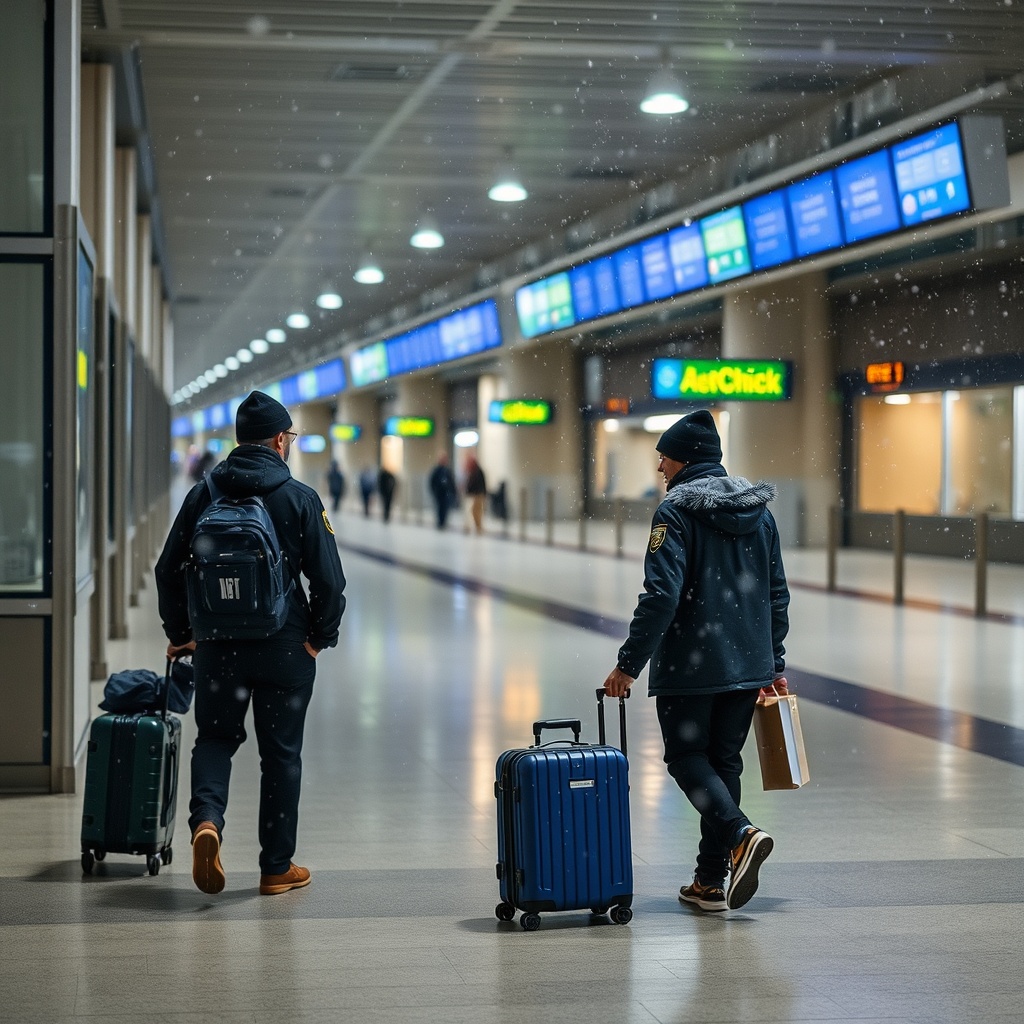
The recent snowstorm that swept across the United States has brought the country's air travel system to a grinding halt, with thousands of flight cancellations and delays reported. As if the extreme weather conditions were not enough, the Department of Homeland Security (DHS) had initially announced a pause on the TSA PreCheck program, leaving many travelers wondering if they would be able to navigate the already chaotic airports. However, in a welcome move, the DHS has reversed its decision, reinstating the TSA PreCheck program and providing some much-needed relief to travelers. In this article, we will delve into the details of the TSA PreCheck program, the impact of the snowstorm on air travel, and the implications of the DHS's decision to reverse the pause on the program.
The TSA PreCheck Program: A Brief Overview
The TSA PreCheck program is a trusted traveler program that allows low-risk passengers to expedite their security screening process when traveling through participating airports in the United States. The program was launched in 2013 and has since become a popular option for frequent travelers, with over 10 million members enrolled. To become a member, travelers must submit an application, provide biographical and biometric information, and pay an $85 fee for a five-year membership. Once approved, members are assigned a Known Traveler Number (KTN), which they can use to expedite their security screening process.
The TSA PreCheck program has been widely praised for its ability to reduce wait times and improve the overall travel experience. According to the Transportation Security Administration (TSA), the average wait time for TSA PreCheck members is less than 5 minutes, compared to an average wait time of 10-15 minutes for non-members. Additionally, TSA PreCheck members do not have to remove their shoes, belts, or light jackets, making the security screening process even more efficient.
The Impact of the Snowstorm on Air Travel
The recent snowstorm has had a devastating impact on air travel, with thousands of flights cancelled or delayed. According to FlightAware, a flight tracking website, over 10,000 flights were cancelled on February 20 alone, with many more delays reported. The storm has affected airports across the country, with major hubs such as New York's John F. Kennedy International Airport, Los Angeles International Airport, and Chicago's O'Hare International Airport being particularly hard hit.
The cancellations and delays have left many travelers stranded, with some reporting wait times of up to 24 hours or more. The situation has been further complicated by the fact that many airlines have been unable to rebook passengers on later flights, leaving them to fend for themselves. The snowstorm has also had a significant impact on the economy, with estimates suggesting that the disruptions could cost the airline industry millions of dollars in lost revenue.
The DHS's Decision to Reverse the Pause on TSA PreCheck
In the midst of the chaos caused by the snowstorm, the DHS's initial decision to pause the TSA PreCheck program seemed like a particularly cruel blow to travelers. The pause would have meant that even TSA PreCheck members would have to undergo the regular security screening process, adding to the already long wait times.
However, in a welcome move, the DHS has reversed its decision, reinstating the TSA PreCheck program and allowing members to continue to expedite their security screening process. The decision is a significant relief to travelers, who will now be able to navigate the chaotic airports with greater ease.
According to a statement released by the TSA, the decision to reinstate the TSA PreCheck program was made in response to the "unprecedented" weather conditions and the need to "minimize disruptions" to air travel. The statement also emphasized the importance of the TSA PreCheck program in providing a "secure and efficient" travel experience for members.
Case Studies: The Impact of TSA PreCheck on Travelers
The TSA PreCheck program has had a significant impact on travelers, with many reporting a significant reduction in wait times and a more efficient security screening process. For example, a study by the TSA found that TSA PreCheck members reported an average wait time of just 2 minutes, compared to an average wait time of 10 minutes for non-members.
Another example is the story of Sarah Johnson, a frequent traveler who has been a member of the TSA PreCheck program for several years. According to Johnson, the program has been a "game-changer" for her, allowing her to navigate airports with greater ease and efficiency. "I used to hate going through security, but with TSA PreCheck, it's a breeze," she said. "I can get through the line in just a few minutes, and I don't have to worry about removing my shoes or belt."
Statistics: The Growth of TSA PreCheck
The TSA PreCheck program has experienced significant growth since its launch in 2013. According to the TSA, the program has over 10 million members, with over 200 airports participating in the program. The program has also been expanded to include several international airlines, allowing members to expedite their security screening process when traveling abroad.
In terms of demographics, the TSA PreCheck program has been popular among a wide range of travelers, including business travelers, families, and individuals with disabilities. According to a survey by the TSA, the majority of TSA PreCheck members are between the ages of 25-54, with a significant proportion being business travelers.
Conclusion
The recent snowstorm has brought the country's air travel system to a grinding halt, with thousands of flight cancellations and delays reported. However, the DHS's decision to reverse the pause on the TSA PreCheck program is a welcome move, providing some much-needed relief to travelers. The TSA PreCheck program has been a significant success, with over 10 million members and a proven track record of reducing wait times and improving the travel experience.
As the air travel industry continues to evolve, it is likely that the TSA PreCheck program will play an increasingly important role in providing a secure and efficient travel experience for passengers. With its proven track record and growing popularity, the TSA PreCheck program is an essential tool for travelers, and its reinstatement is a significant step in the right direction. As the country begins to recover from the snowstorm, it is clear that the TSA PreCheck program will be an essential part of the air travel system, providing a safe and efficient travel experience for millions of passengers.

Leave a comment