
Introduction
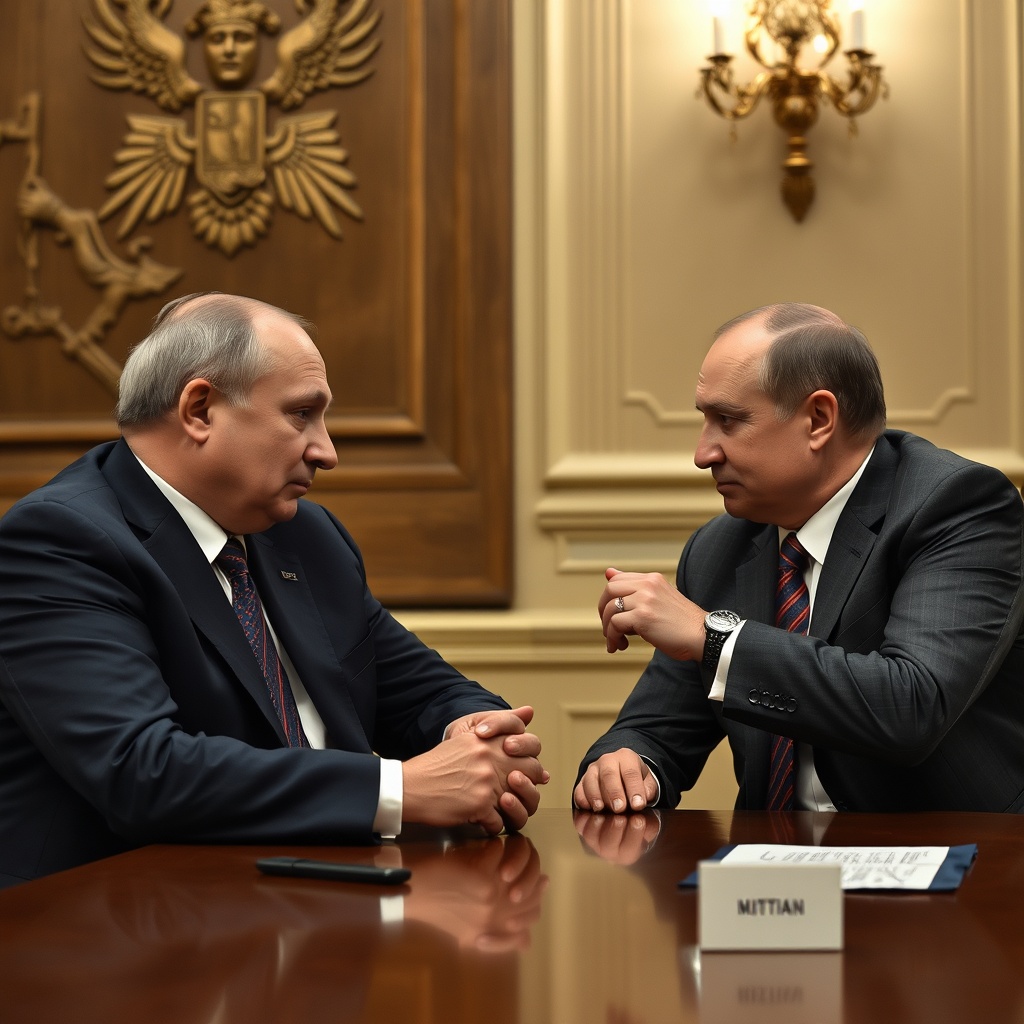
The ongoing conflict between Russia and Ukraine has been a major concern for the international community, with both sides suffering significant losses and the global economy feeling the effects of the war. Recently, the second day of negotiations between Ukraine and Russia ended after just two hours, without any breakthrough or significant progress. This article will delve into the details of the Russia-Ukraine peace talks, the challenges faced by both sides, and the potential consequences of a prolonged conflict.
Background of the Conflict
The conflict between Russia and Ukraine began in 2014, when Ukraine's pro-Russian president, Viktor Yanukovych, was ousted in a popular uprising. This led to Russia annexing the Crimean Peninsula and supporting separatist rebels in eastern Ukraine. The conflict has resulted in thousands of deaths and displaced millions of people. The international community has imposed sanctions on Russia, which has had a significant impact on the country's economy.
The current conflict escalated in February 2022, when Russia launched a large-scale invasion of Ukraine. The invasion has been met with strong resistance from the Ukrainian military, and the conflict has resulted in significant damage to infrastructure, homes, and businesses. The international community has condemned Russia's actions, and many countries have imposed further sanctions on Russia.
Challenges in the Peace Talks
The peace talks between Russia and Ukraine have been challenging, with both sides having different demands and expectations. Ukraine has insisted that Russia withdraw its troops from Ukrainian territory, while Russia has demanded that Ukraine recognize the independence of the separatist regions in eastern Ukraine. The talks have been further complicated by the fact that Russia has been accused of committing war crimes, including targeting civilians and bombing hospitals.
One of the main challenges in the peace talks is the lack of trust between the two sides. Ukraine has accused Russia of not being sincere in its negotiations, while Russia has accused Ukraine of being unwilling to compromise. The international community has called for a ceasefire and a return to diplomatic negotiations, but so far, neither side has been willing to back down.
The peace talks have also been complicated by the involvement of other countries, including the United States, the European Union, and China. These countries have imposed sanctions on Russia and have provided military and economic aid to Ukraine. However, their involvement has also been criticized, with some arguing that it has escalated the conflict and made it more difficult to reach a peaceful resolution.
Potential Consequences of a Prolonged Conflict
A prolonged conflict between Russia and Ukraine would have significant consequences for both countries and the international community. The conflict has already resulted in significant economic losses, with Ukraine's economy expected to contract by up to 50% in 2022. The conflict has also resulted in a significant humanitarian crisis, with millions of people displaced and in need of aid.
The conflict has also had a significant impact on the global economy, with prices for food and energy increasing significantly. The conflict has disrupted supply chains, with many countries relying on Ukraine and Russia for imports of grain, oil, and gas. The conflict has also had a significant impact on the environment, with the destruction of infrastructure and the release of toxic chemicals into the air and water.
The conflict has also had a significant impact on the international community, with many countries imposing sanctions on Russia and providing aid to Ukraine. The conflict has also resulted in a significant increase in tensions between Russia and the West, with many countries accusing Russia of aggression and a disregard for international law.
Examples of Successful Peace Negotiations
While the peace talks between Russia and Ukraine have been challenging, there are examples of successful peace negotiations that can be applied to the current conflict. One example is the Good Friday Agreement, which was signed in 1998 and brought an end to decades of violence in Northern Ireland. The agreement was the result of years of negotiations between the British and Irish governments, as well as paramilitary groups.
Another example is the peace agreement in Colombia, which was signed in 2016 and brought an end to decades of conflict between the government and the Revolutionary Armed Forces of Colombia (FARC). The agreement was the result of years of negotiations, which included the involvement of the international community and the use of innovative negotiation techniques.
These examples demonstrate that peace negotiations can be successful, even in the most challenging conflicts. However, they require a willingness to compromise, a commitment to the negotiation process, and the involvement of the international community.
Case Study: The Minsk Agreement
The Minsk Agreement is a case study of a peace agreement that was signed in 2015, with the aim of bringing an end to the conflict in eastern Ukraine. The agreement was signed by Ukraine, Russia, and the separatist rebels, and it included a ceasefire, the withdrawal of heavy weapons, and the establishment of a buffer zone.
However, the agreement was not successful, and the conflict continued. The agreement was criticized for being too vague, and for not including sufficient mechanisms for enforcement. The agreement also failed to address the underlying issues that led to the conflict, including the status of the separatist regions and the role of Russia in the conflict.
The Minsk Agreement is an example of the challenges of negotiating a peace agreement, even when all sides are willing to talk. It demonstrates the importance of including sufficient mechanisms for enforcement, as well as addressing the underlying issues that led to the conflict.
Conclusion
The peace talks between Russia and Ukraine have been challenging, with both sides having different demands and expectations. The conflict has resulted in significant losses for both countries, as well as the international community. A prolonged conflict would have significant consequences, including economic losses, a humanitarian crisis, and an increase in tensions between Russia and the West.
Examples of successful peace negotiations, such as the Good Friday Agreement and the peace agreement in Colombia, demonstrate that peace negotiations can be successful, even in the most challenging conflicts. However, they require a willingness to compromise, a commitment to the negotiation process, and the involvement of the international community.
The international community must continue to support the peace talks between Russia and Ukraine, and to encourage both sides to negotiate in good faith. The conflict in Ukraine is a complex issue, and it will require a comprehensive solution that addresses the underlying issues that led to the conflict. However, with the right approach, it is possible to find a peaceful resolution to the conflict, and to bring an end to the suffering of the Ukrainian people.

Leave a comment