
Introduction
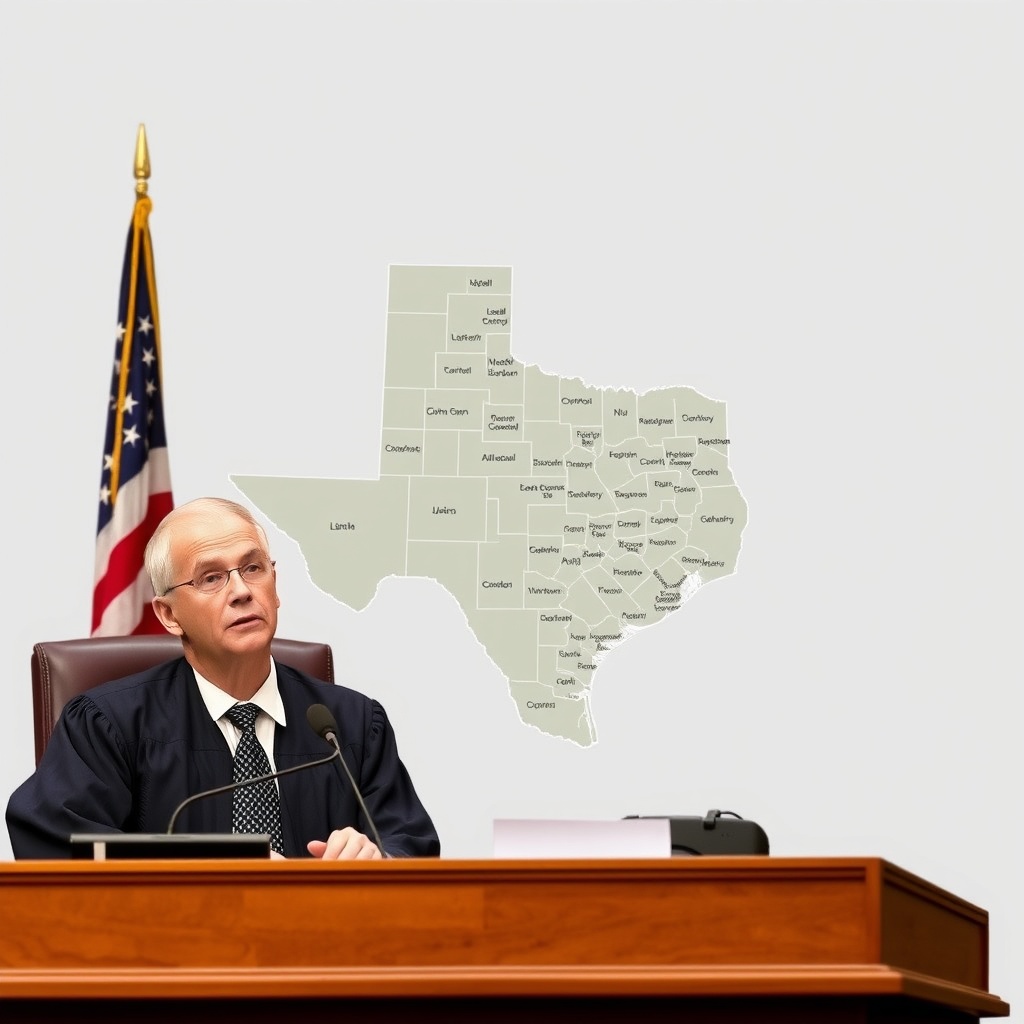
The recent decision by a panel of judges to block the implementation of a new Texas congressional map has sparked controversy and debate. In a surprising move, a dissenting judge has publicly criticized their colleagues for the ruling, arguing that it undermines the democratic process and ignores the will of the people. This article will delve into the details of the case, exploring the background, the dissenting judge's opinion, and the potential implications of the decision.
Background: The Texas Congressional Map
The Texas congressional map at the center of the controversy was redrawn by Republican lawmakers in 2021, following the release of the latest census data. The new map aimed to reflect the state's growing population and shifting demographics, but it also sparked accusations of gerrymandering and partisan manipulation. Critics argued that the map was designed to favor Republican candidates and disenfranchise minority voters.
The map was challenged in court by a group of voters and civil rights organizations, who claimed that it violated the Voting Rights Act and the U.S. Constitution. The case made its way through the courts, with a panel of judges ultimately ruling to block the implementation of the map. The decision was seen as a major victory for Democrats and civil rights groups, but it has also been met with criticism from Republicans and some legal experts.
The Dissenting Judge's Opinion
The dissenting judge's opinion, issued on November 19, 2025, is a scathing critique of the panel's decision. The judge argues that the ruling is a clear example of judicial overreach, and that it ignores the will of the people as expressed through their elected representatives. The judge also claims that the decision is based on flawed assumptions and a misinterpretation of the law.
According to the judge, the panel's ruling is not supported by the evidence presented in the case. The judge argues that the plaintiffs failed to provide sufficient proof that the map was discriminatory or that it would lead to unequal representation. The judge also criticizes the panel for relying on speculative assumptions about the potential impact of the map, rather than focusing on the actual evidence.
The dissenting judge's opinion is notable not only for its strong language but also for its departure from the usual norms of judicial decorum. Judges typically refrain from publicly criticizing their colleagues, and dissenting opinions are usually more measured in their tone. The fact that the judge felt compelled to speak out in such a forceful manner suggests that they believe the stakes are high and that the panel's decision has significant implications for the democratic process.
Implications and Potential Consequences
The blocking of the Texas congressional map has significant implications for the state's electoral landscape. With the map on hold, the state will likely be forced to use an interim map for the upcoming elections, which could lead to confusion and disruption for voters. The decision also sets a precedent for future challenges to congressional maps, and could embolden Democrats and civil rights groups to bring similar lawsuits in other states.
The dissenting judge's opinion has also sparked a wider debate about the role of the judiciary in shaping the electoral process. Some argue that the judge's criticism of the panel's decision is a legitimate expression of concern about the overreach of the courts, while others see it as a partisan attack on the independence of the judiciary.
As the case makes its way through the appeals process, it is likely to attract significant attention and scrutiny. The Supreme Court may ultimately be called upon to weigh in on the matter, which could have far-reaching implications for the future of electoral politics in the United States.
Some statistics to consider:
- The Texas congressional map is one of the most gerrymandered in the country, with some districts stretching across multiple counties and incorporating disparate communities.
- The map has been challenged in court multiple times, with previous rulings upholding its constitutionality.
- The current case has been ongoing for over a year, with multiple hearings and rulings issued along the way.
- The dissenting judge's opinion is one of the most outspoken and critical in recent memory, sparking a heated debate about the role of the judiciary in electoral politics.
Examples of similar cases include:
- The North Carolina congressional map, which was also challenged in court and ultimately found to be unconstitutional.
- The Ohio congressional map, which was redrawn in 2021 and is currently the subject of a lawsuit.
- The Pennsylvania congressional map, which was redrawn in 2021 and has been challenged in court by Republican lawmakers.
In conclusion, the blocking of the Texas congressional map and the dissenting judge's opinion have significant implications for the democratic process and the role of the judiciary in shaping electoral politics. As the case continues to make its way through the courts, it is likely to attract significant attention and scrutiny, with potential consequences for the future of electoral politics in the United States.
Conclusion
The controversy surrounding the Texas congressional map and the dissenting judge's opinion is a complex and multifaceted issue, with significant implications for the democratic process and the role of the judiciary. As the case continues to unfold, it is likely to spark heated debates and intense scrutiny, with potential consequences for the future of electoral politics in the United States. Ultimately, the outcome of the case will depend on the Supreme Court's interpretation of the law and the Constitution, and its decision will have far-reaching implications for the country's electoral landscape.

Leave a comment