
Introduction
The Israeli-Palestinian conflict has been a longstanding and complex issue, with both sides experiencing periods of relative calm and intense violence. Recently, the conflict escalated with Israeli strikes on Gaza, resulting in significant loss of life and widespread destruction. According to Palestinian civil defence and health officials, eleven people were killed in these strikes, which occurred on a Sunday morning. This article will delve into the details of the incident, the broader context of the Israeli-Palestinian conflict, and the humanitarian implications of such events.
The Incident: Israeli Strikes on Gaza
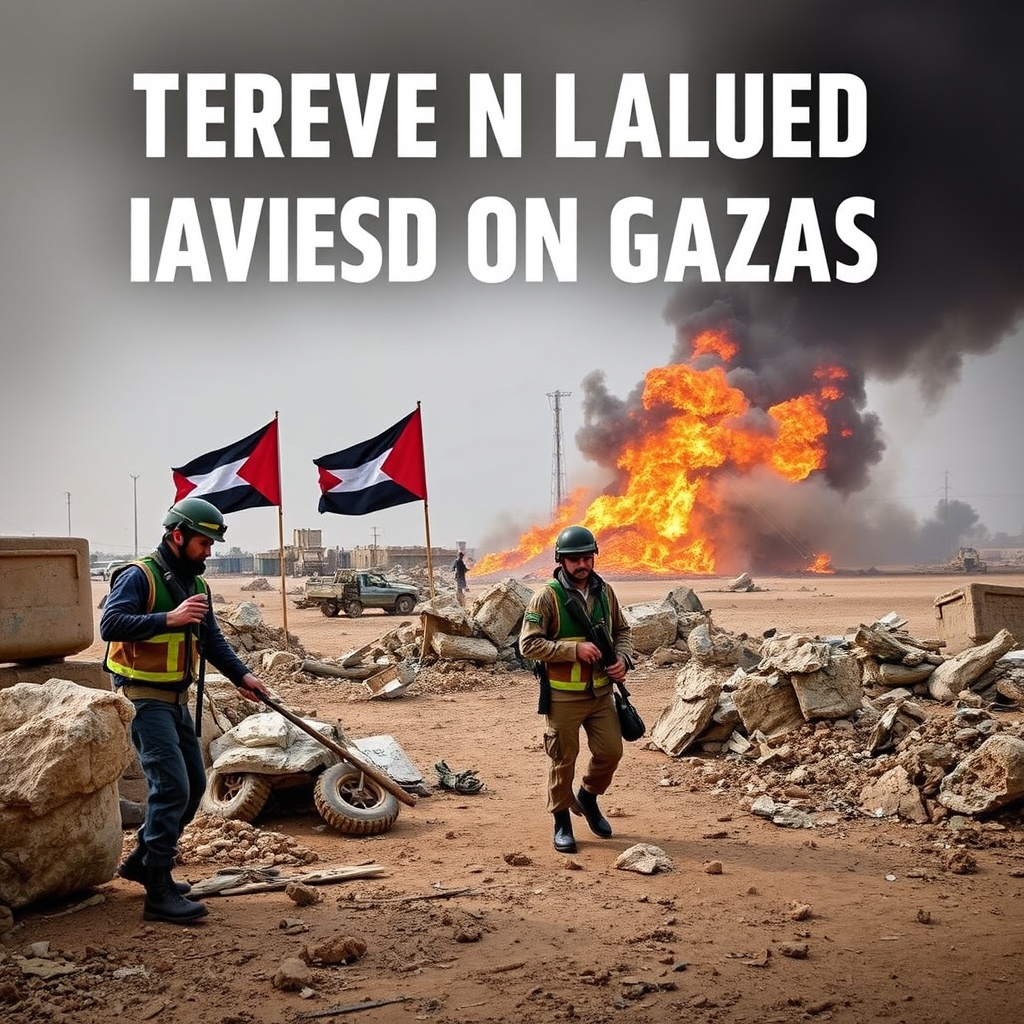
On a Sunday morning, Israeli forces launched a series of strikes on Gaza, targeting various locations within the territory. The strikes, which were confirmed by both Israeli and Palestinian sources, resulted in the deaths of eleven people, with many more injured. The Palestinian civil defence and health officials were quick to respond to the situation, providing emergency services and assistance to those affected.
The incident is a stark reminder of the ongoing tensions between Israel and Palestine, with both sides accusing each other of aggression and provocation. The Israeli government has stated that the strikes were in response to rocket fire from Gaza, while Palestinian officials have condemned the actions as disproportionate and excessive.
The use of military force in densely populated areas such as Gaza raises significant concerns about the protection of civilians and the potential for harm to non-combatants. International humanitarian law requires that all parties to a conflict take feasible precautions to avoid or minimize harm to civilians and civilian objects.
The Broader Context: The Israeli-Palestinian Conflict
The Israeli-Palestinian conflict is a longstanding and deeply complex issue, with roots dating back to the early 20th century. The conflict is fueled by competing claims to the same land, with Israelis asserting their right to a Jewish homeland and Palestinians seeking self-determination and statehood.
Over the years, the conflict has been marked by periods of relative calm, punctuated by outbreaks of violence and bloodshed. The conflict has resulted in the displacement of hundreds of thousands of Palestinians, the construction of Israeli settlements in the West Bank, and the blockade of Gaza.
The international community has been involved in numerous efforts to resolve the conflict, including the Oslo Accords, the Camp David Summit, and the Kerry Initiative. However, a lasting and comprehensive peace agreement has yet to be reached, and the conflict remains one of the most intractable and divisive issues in the Middle East.
Humanitarian Implications: The Impact on Civilians
The Israeli-Palestinian conflict has significant humanitarian implications, with civilians on both sides bearing the brunt of the violence. The conflict has resulted in the deaths of thousands of people, the injury of many more, and the displacement of hundreds of thousands.
In Gaza, the conflict has had a devastating impact on the civilian population, with widespread poverty, unemployment, and shortages of food, water, and medicine. The blockade of Gaza, which has been in place since 2007, has restricted the flow of goods and people into and out of the territory, exacerbating the humanitarian crisis.
The use of military force in densely populated areas such as Gaza raises significant concerns about the protection of civilians and the potential for harm to non-combatants. International humanitarian law requires that all parties to a conflict take feasible precautions to avoid or minimize harm to civilians and civilian objects.
The humanitarian implications of the conflict are not limited to Gaza, with Palestinians in the West Bank and East Jerusalem also experiencing significant challenges and hardships. The construction of Israeli settlements, the separation barrier, and the restriction of movement have all contributed to a sense of isolation and disconnection among Palestinians.
Conclusion
The recent Israeli strikes on Gaza, resulting in the deaths of eleven people, are a stark reminder of the ongoing tensions and violence between Israel and Palestine. The conflict is a complex and deeply entrenched issue, with roots dating back to the early 20th century.
The humanitarian implications of the conflict are significant, with civilians on both sides bearing the brunt of the violence. The use of military force in densely populated areas such as Gaza raises significant concerns about the protection of civilians and the potential for harm to non-combatants.
As the international community continues to seek a lasting and comprehensive peace agreement, it is essential that all parties to the conflict take feasible precautions to avoid or minimize harm to civilians and civilian objects. The protection of civilians and the promotion of humanitarian law must be a priority in all efforts to resolve the conflict.
In the short term, it is essential that all parties to the conflict take immediate steps to reduce tensions and prevent further violence. This can be achieved through the establishment of a ceasefire, the withdrawal of military forces, and the provision of humanitarian assistance to those affected.
In the long term, a lasting and comprehensive peace agreement will require a fundamental transformation of the relationship between Israel and Palestine. This will involve the establishment of a Palestinian state, the resolution of the refugee issue, and the promotion of economic development and cooperation.
Ultimately, the resolution of the Israeli-Palestinian conflict will require a commitment to peace, justice, and human rights. It will require a willingness to compromise, to listen to each other's concerns, and to work towards a shared vision of a future where both Israelis and Palestinians can live in peace and security.

Leave a comment