
Introduction
A powerful atmospheric river storm is barreling towards Southern California, bringing with it the potential for widespread flooding, mudslides, and evacuations. However, this storm also holds a silver lining: it could mark an early end to the region's fire season. As evacuation warnings are issued across Los Angeles County, residents are bracing themselves for the impact of the storm, while also hoping that it will bring much-needed relief from the threat of wildfires. In this article, we will explore the potential effects of the storm, the risks and benefits it poses, and what it could mean for the future of Southern California's climate.
The Storm's Potential Impact
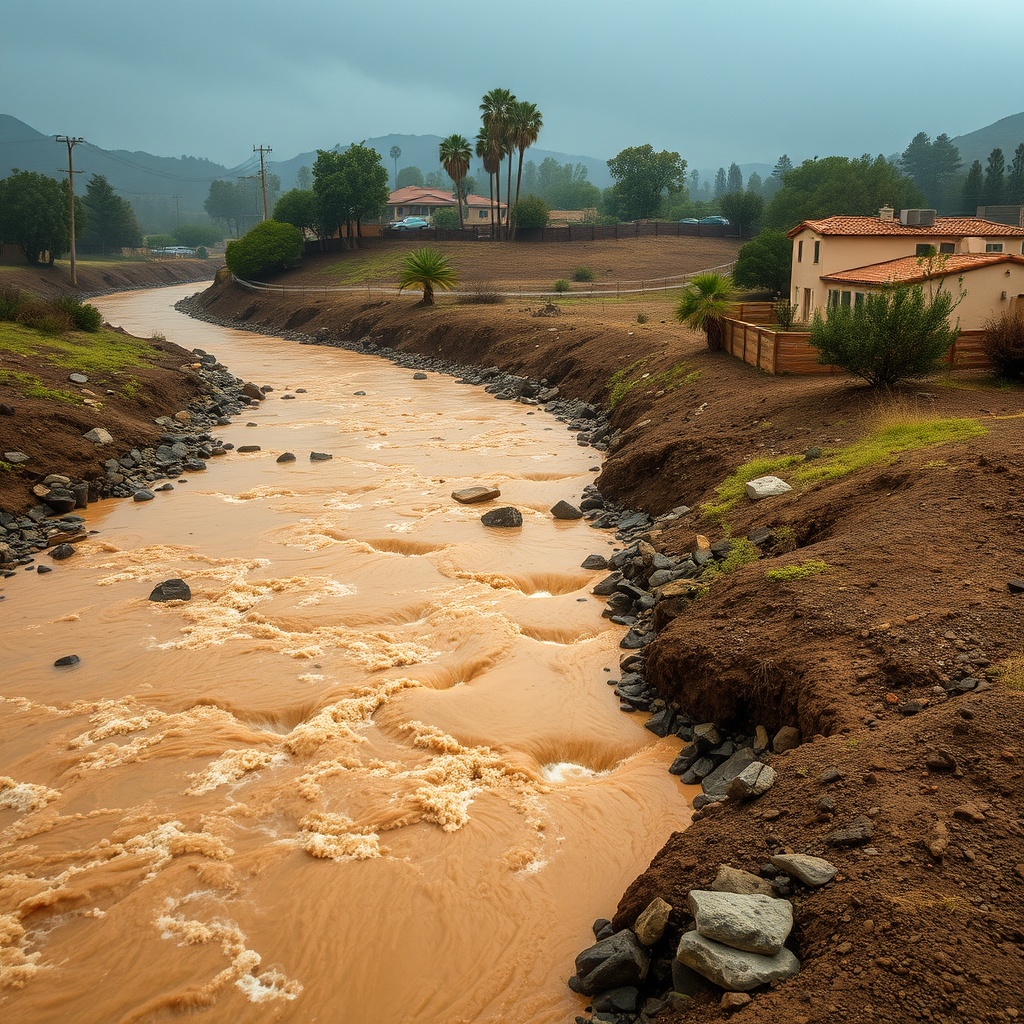
The atmospheric river storm is expected to bring heavy rainfall to the region, with some areas potentially seeing over 5 inches of rain in a short period. This amount of rainfall can be catastrophic, especially in areas that are prone to mudslides and flooding. The National Weather Service has issued flash flood warnings for several areas, including burn scars from previous wildfires, where the risk of mudslides is particularly high. For example, the Woolsey Fire burn scar in Malibu is at high risk of mudslides, and residents have been warned to be prepared to evacuate at a moment's notice.
According to statistics, the risk of mudslides is especially high in areas that have been burned by wildfires in the past. A study by the United States Geological Survey (USGS) found that areas that have been burned by wildfires are 10 times more likely to experience mudslides than areas that have not been burned. This is because wildfires can strip away vegetation, leaving the soil vulnerable to erosion. In the case of the Woolsey Fire, which burned over 96,000 acres in 2018, the risk of mudslides is particularly high. In fact, the USGS has warned that the area could see mudslides with as little as 1-2 inches of rainfall.
However, the storm also has the potential to bring benefits to the region. The heavy rainfall could help to snuff out any remaining wildfires, bringing an early end to the fire season. This would be a welcome relief to residents who have been living with the threat of wildfires for months. According to data from the California Department of Forestry and Fire Protection (Cal Fire), the state has seen over 7,000 wildfires so far this year, burning over 1 million acres of land. The storm could help to reduce this number, and bring a sense of calm to the region.
The Risks of Mudslides
Mudslides are a major concern during heavy rainfall events, especially in areas that have been burned by wildfires. When heavy rainfall hits a burn scar, it can cause the soil to become saturated, leading to mudslides. These mudslides can be deadly, and can cause widespread destruction. In 2018, a mudslide in Montecito, California killed 21 people and destroyed over 100 homes. The area had been burned by the Thomas Fire just a month earlier, leaving the soil vulnerable to erosion.
The risks of mudslides are not limited to burn scars. Any area that is prone to flooding is at risk of mudslides, especially during heavy rainfall events. According to the Federal Emergency Management Agency (FEMA), mudslides can occur anywhere, and can be triggered by a variety of factors, including heavy rainfall, wildfires, and earthquakes. In Southern California, the risk of mudslides is particularly high due to the region's geology. The area is home to many steep hillsides and canyons, which can be prone to erosion during heavy rainfall events.
To mitigate the risks of mudslides, residents can take several steps. First, they should stay informed about the weather forecast and any evacuation warnings that may be issued. They should also be prepared to evacuate at a moment's notice, and have a plan in place in case of an emergency. Additionally, residents can take steps to protect their homes, such as installing mudslide-resistant fencing and planting vegetation that can help to stabilize the soil.
The Benefits of the Storm
While the storm poses risks, it also has the potential to bring benefits to the region. The heavy rainfall could help to replenish the state's water supply, which has been depleted due to drought. According to data from the California Department of Water Resources, the state's reservoirs are currently at just 60% capacity. The storm could help to fill these reservoirs, providing a much-needed boost to the state's water supply.
The storm could also help to reduce the risk of wildfires in the long term. By bringing an early end to the fire season, the storm could help to reduce the risk of wildfires next year. According to data from Cal Fire, the state's wildfires are often sparked by dry conditions and hot temperatures. By bringing moisture to the region, the storm could help to reduce the risk of wildfires, and make the state's forests and wildlands safer.
In addition to these benefits, the storm could also have a positive impact on the region's ecosystem. The heavy rainfall could help to wash away pollutants and sediment that have built up in the region's waterways, improving the overall health of the ecosystem. According to a study by the University of California, Los Angeles (UCLA), the storm could help to improve the water quality in the region's rivers and streams, making them safer for fish and other wildlife.
Case Study: The 2018 Montecito Mudslide
The 2018 Montecito mudslide is a stark reminder of the risks posed by mudslides. On January 9, 2018, a mudslide occurred in Montecito, California, killing 21 people and destroying over 100 homes. The area had been burned by the Thomas Fire just a month earlier, leaving the soil vulnerable to erosion. The mudslide was triggered by heavy rainfall, which caused the soil to become saturated and flow downhill.
The Montecito mudslide was a devastating event that highlighted the importance of being prepared for mudslides. Residents who lived in the area had been warned about the risk of mudslides, but many were caught off guard by the severity of the event. The mudslide was a reminder that mudslides can occur anywhere, and that it is essential to be prepared.
In the aftermath of the mudslide, the community came together to support those who had been affected. The American Red Cross and other organizations provided aid to those who had lost their homes, and the Federal Emergency Management Agency (FEMA) provided funding to help rebuild the area. The mudslide also led to changes in the way that the state prepares for and responds to mudslides. For example, the state has implemented new warning systems and evacuation procedures to help keep residents safe.
Conclusion
The epic SoCal atmospheric river storm is a reminder of the power and unpredictability of nature. While the storm poses risks, including mudslides and flooding, it also has the potential to bring benefits to the region, including an early end to the fire season and a reduction in the risk of wildfires. As residents prepare for the storm, they should stay informed about the weather forecast and any evacuation warnings that may be issued. They should also be prepared to evacuate at a moment's notice, and have a plan in place in case of an emergency.
In the long term, the storm could have a positive impact on the region's ecosystem and water supply. The heavy rainfall could help to replenish the state's reservoirs, providing a much-needed boost to the state's water supply. It could also help to reduce the risk of wildfires, making the state's forests and wildlands safer.
As we look to the future, it is essential that we take steps to mitigate the risks posed by mudslides and flooding. This includes implementing new warning systems and evacuation procedures, as well as taking steps to protect our homes and communities from the impact of heavy rainfall. By working together, we can reduce the risks posed by these events and create a safer, more resilient community for all.

Leave a comment