
Introduction
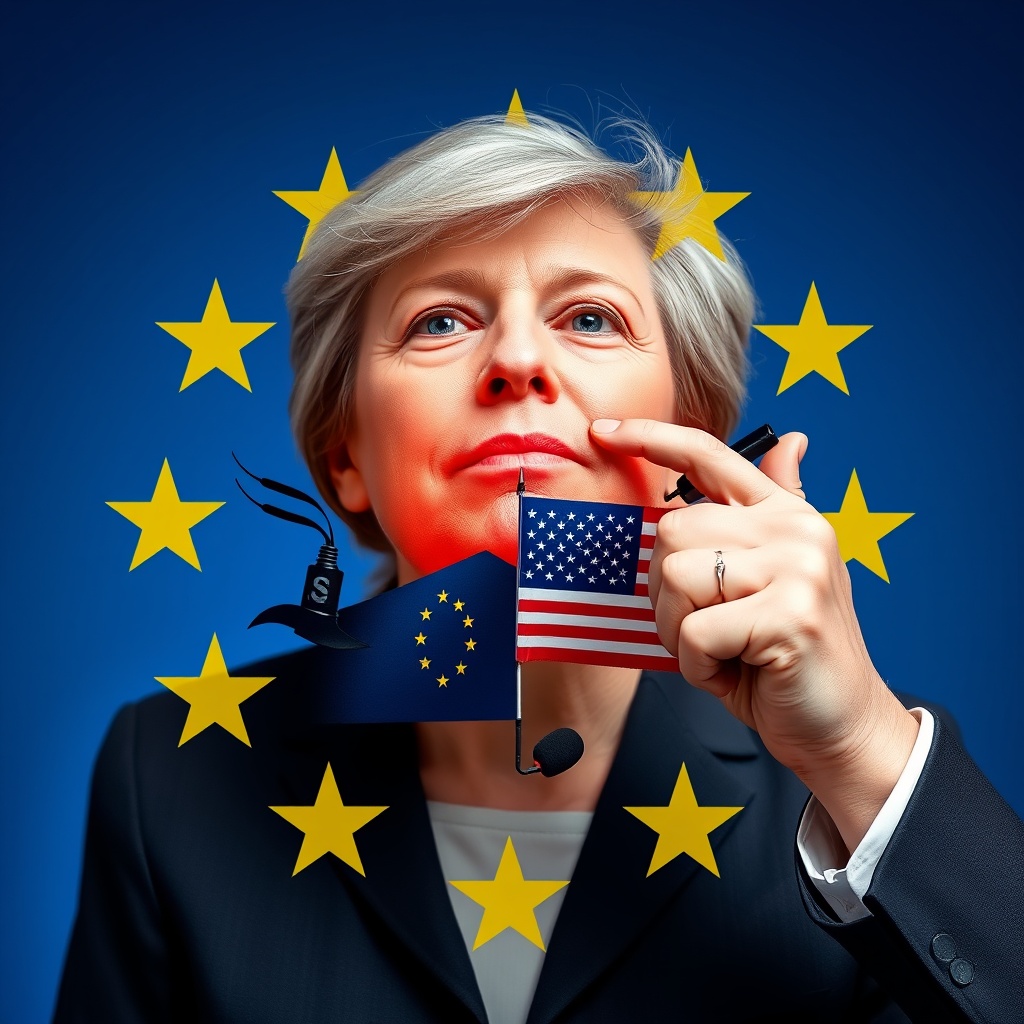
The European Union (EU) and the United States (US) have been engaged in a long-standing trade relationship, with both parties working towards strengthening their economic ties. However, recent developments have thrown a wrench into the works, with the EU considering freezing the approval of a trade deal with the US due to the "chaos" caused by tariffs imposed by the Trump administration. This move has significant implications for the global economy and the future of trade relations between the two superpowers. In this article, we will delve into the details of the EU's decision, the impact of Trump's tariffs, and the potential consequences of a frozen trade deal.
The EU's Trade Deal with the US
The EU and the US have been negotiating a trade deal aimed at reducing tariffs and increasing trade between the two regions. The deal, which has been in the works for several years, aims to eliminate tariffs on a wide range of goods, including agricultural products, automobiles, and pharmaceuticals. The agreement is expected to increase trade between the two regions by billions of dollars and create thousands of new jobs. However, the deal has been put in jeopardy due to the Trump administration's decision to impose tariffs on EU goods, including steel, aluminum, and wine.
The EU's trade chief, Bernd Lange, has announced that he will propose freezing the ratification process of the trade deal until the EU receives assurances from the US that it will remove the tariffs. Lange has stated that the EU cannot proceed with the ratification process while the US is imposing tariffs on EU goods, citing the need for a "level playing field" in trade relations. This move is seen as a significant escalation of the trade tensions between the two regions and has raised concerns about the future of the trade deal.
The Impact of Trump's Tariffs
The Trump administration's decision to impose tariffs on EU goods has been widely criticized by economists, business leaders, and politicians. The tariffs, which were imposed in 2018, have been seen as a protectionist move aimed at protecting US industries. However, the tariffs have had a significant impact on the global economy, leading to a decline in trade and an increase in prices for consumers.
The EU has responded to the US tariffs by imposing its own tariffs on US goods, including bourbon, blue jeans, and motorcycles. This has led to a trade war between the two regions, with both sides imposing tariffs on each other's goods. The trade war has had a significant impact on businesses and consumers, with many companies reporting increased costs and reduced profits.
According to a study by the International Monetary Fund (IMF), the trade war between the US and the EU could reduce global trade by up to 3% and lead to a decline in economic growth. The study also found that the tariffs imposed by the US and the EU could lead to a decline in investment and a reduction in economic competitiveness.
The Consequences of a Frozen Trade Deal
If the EU decides to freeze the approval of the trade deal with the US, it could have significant consequences for the global economy. A frozen trade deal would mean that the tariffs imposed by the US and the EU would remain in place, leading to continued uncertainty and instability in the market.
A study by the European Parliament found that a frozen trade deal could lead to a decline in trade between the EU and the US by up to 10%. The study also found that the decline in trade could lead to a loss of up to 100,000 jobs in the EU and a decline in economic growth.
The consequences of a frozen trade deal would not be limited to the EU and the US. The trade war between the two regions could have a ripple effect on the global economy, leading to a decline in trade and economic growth in other regions. According to a study by the World Trade Organization (WTO), a trade war between the US and the EU could lead to a decline in global trade by up to 5% and a reduction in economic growth by up to 2%.
Case Studies: The Impact of Tariffs on Businesses
The impact of tariffs on businesses can be seen in several case studies. For example, the US-based company, Harley-Davidson, has been significantly affected by the tariffs imposed by the EU. The company has reported a decline in sales in the EU due to the tariffs, which have increased the price of its motorcycles by up to 30%. As a result, the company has been forced to shift its production to other regions, including Asia, to avoid the tariffs.
Another example is the EU-based company, Airbus, which has been affected by the tariffs imposed by the US. The company has reported a decline in sales in the US due to the tariffs, which have increased the price of its aircraft by up to 10%. As a result, the company has been forced to reduce its production and lay off workers.
Examples of Successful Trade Deals
On the other hand, there are examples of successful trade deals that have increased trade and economic growth between regions. For example, the North American Free Trade Agreement (NAFTA) between the US, Canada, and Mexico has increased trade between the three countries by up to 300%. The agreement has also created thousands of new jobs and increased economic growth in the region.
Another example is the EU's trade deal with South Korea, which has increased trade between the two regions by up to 50%. The agreement has also created thousands of new jobs and increased economic growth in the EU.
Statistics: The Impact of Tariffs on Trade
The impact of tariffs on trade can be seen in several statistics. For example, according to the WTO, the trade war between the US and China has led to a decline in trade between the two countries by up to 20%. The trade war has also led to a decline in global trade by up to 2%.
According to the IMF, the tariffs imposed by the US and the EU could lead to a decline in global trade by up to 3% and a reduction in economic growth by up to 1%. The IMF has also reported that the trade war between the US and the EU could lead to a decline in investment and a reduction in economic competitiveness.
Conclusion
In conclusion, the EU's decision to freeze the approval of a trade deal with the US due to the "chaos" caused by tariffs imposed by the Trump administration has significant implications for the global economy. The tariffs imposed by the US and the EU have led to a trade war between the two regions, which could have a ripple effect on the global economy. The consequences of a frozen trade deal could be severe, leading to a decline in trade and economic growth between the EU and the US, as well as other regions.
To avoid a frozen trade deal, the US and the EU must work towards a resolution of the trade tensions between them. This could involve the removal of tariffs imposed by both sides and the negotiation of a new trade deal that takes into account the concerns of both parties. The EU and the US must also work towards strengthening their trade relations and increasing cooperation on trade issues.
Ultimately, the future of the trade deal between the EU and the US will depend on the ability of both parties to negotiate a mutually beneficial agreement that takes into account the concerns of both sides. The EU and the US must work towards a resolution of the trade tensions between them and avoid a frozen trade deal that could have significant consequences for the global economy.

Leave a comment