
Introduction
In a shocking turn of events, China's top general has been accused of leaking sensitive information about the country's nuclear-weapons program to the United States. The allegations, which have sent shockwaves through the international community, also include claims of bribery and corruption. The news has significant implications for global security, diplomatic relations, and the ongoing tensions between the United States and China. This article will delve into the details of the accusations, the potential consequences, and the broader context of the US-China relationship.
Background and Allegations
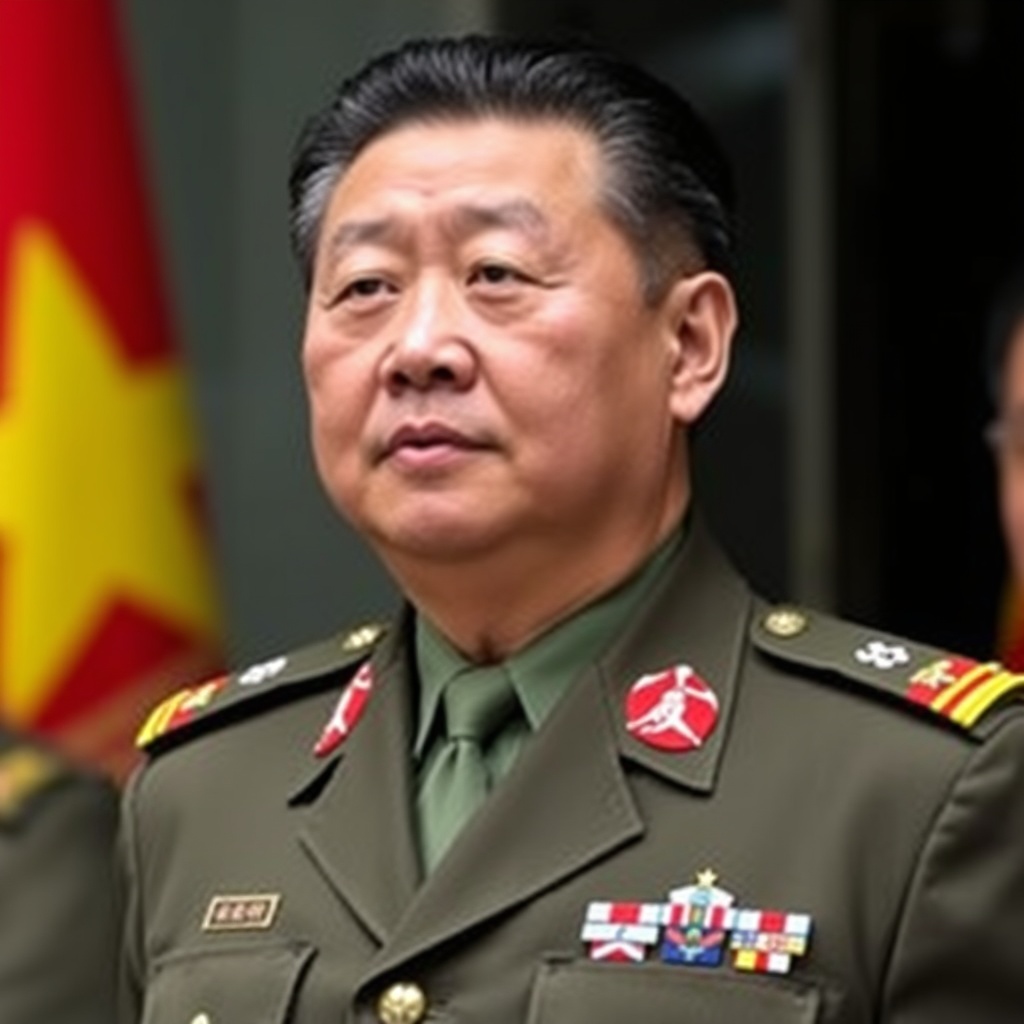
The accused general, whose identity has not been publicly disclosed, is reportedly a high-ranking member of the Chinese military. The allegations suggest that the general provided classified information about China's nuclear-weapons program to the United States, potentially compromising national security and undermining the country's military capabilities. The leaked information may have included details about China's nuclear arsenal, missile technology, and other sensitive aspects of the country's military infrastructure.
According to reports, the general accepted bribes in exchange for official acts, further exacerbating the situation. The bribery allegations suggest a deeper level of corruption within the Chinese military, raising concerns about the integrity of the country's institutions and the potential for further leaks or security breaches. The accusations have sparked a heated debate about the effectiveness of China's internal controls and the need for greater transparency and accountability within the military.
The US-China relationship has long been complex and multifaceted, with both countries engaging in a delicate dance of cooperation and competition. The allegations against the Chinese general have the potential to further strain relations, particularly in the areas of defense and security. The United States has been critical of China's military expansion and modernization efforts, and the leaked information may have provided valuable insights into China's military capabilities and strategic intentions.
Implications and Consequences
The implications of the allegations are far-reaching and have significant consequences for global security, diplomatic relations, and the US-China relationship. If true, the leaks would represent a serious breach of national security, potentially compromising China's military capabilities and undermining its position in the region. The incident may also damage China's reputation and credibility on the international stage, particularly if the allegations are proven to be accurate.
The consequences for the accused general are likely to be severe, with potential penalties including court-martial, imprisonment, and dismissal from the military. The incident may also lead to a broader investigation into corruption and security breaches within the Chinese military, potentially resulting in a major shake-up of the country's defense establishment.
The US-China relationship is likely to be impacted significantly by the allegations, with potential consequences including increased tensions, reduced cooperation, and a heightened sense of mistrust. The incident may also have implications for other countries in the region, particularly those with close ties to China or the United States. The allegations may lead to a re-evaluation of alliances and partnerships, as countries seek to navigate the complex and rapidly evolving geopolitical landscape.
Broader Context and Historical Precedents
The allegations against the Chinese general are not an isolated incident, but rather part of a broader pattern of security breaches and corruption within the Chinese military. In recent years, there have been several high-profile cases of corruption and misconduct within the Chinese defense establishment, including the conviction of former military leader Guo Boxiong on corruption charges.
The incident also highlights the ongoing tensions and competition between the United States and China, particularly in the areas of defense and security. The two countries have been engaged in a series of diplomatic and military confrontations in recent years, including disputes over territorial claims, trade, and human rights. The allegations against the Chinese general may be seen as part of a larger effort by the United States to gain an advantage over China, particularly in the areas of military technology and strategic intelligence.
Historically, there have been several instances of security breaches and espionage between the United States and China, including the conviction of former CIA officer Jerry Lee on espionage charges. The incident highlights the ongoing risks and challenges associated with espionage and security breaches, particularly in the context of the US-China relationship.
Case Studies and Examples
Several case studies and examples illustrate the complexities and challenges associated with security breaches and corruption within the Chinese military. One notable example is the case of former Chinese military leader Xu Caihou, who was convicted of corruption and bribery in 2014. Xu's case highlighted the deep-seated corruption and abuse of power within the Chinese military, and led to a major crackdown on corruption and misconduct within the defense establishment.
Another example is the case of former US Navy officer Edward Lin, who was convicted of espionage and sentenced to 30 years in prison for providing classified information to China. Lin's case highlights the risks and challenges associated with espionage and security breaches, particularly in the context of the US-China relationship.
Statistics and Data
Several statistics and data points illustrate the scope and severity of the allegations against the Chinese general. According to a report by the US-China Economic and Security Review Commission, China's military modernization efforts have resulted in significant improvements in the country's military capabilities, including the development of advanced missile systems and nuclear submarines.
The report also notes that China's military expansion has been accompanied by a significant increase in corruption and misconduct within the defense establishment. According to the report, corruption and bribery are widespread within the Chinese military, with many officers and officials engaging in corrupt practices to advance their careers or enrich themselves.
Conclusion
The allegations against China's top general are a serious and disturbing development, with significant implications for global security, diplomatic relations, and the US-China relationship. The incident highlights the ongoing risks and challenges associated with security breaches and corruption, particularly in the context of the US-China relationship.
As the situation continues to unfold, it is likely that there will be significant consequences for the accused general, the Chinese military, and the US-China relationship. The incident may also lead to a broader re-evaluation of alliances and partnerships, as countries seek to navigate the complex and rapidly evolving geopolitical landscape.
Ultimately, the allegations against the Chinese general serve as a reminder of the importance of transparency, accountability, and integrity within the military and defense establishments. As the world becomes increasingly interconnected and interdependent, it is essential that countries prioritize cooperation, diplomacy, and mutual understanding to address the complex challenges and risks associated with security breaches and corruption.

Leave a comment