
Introduction
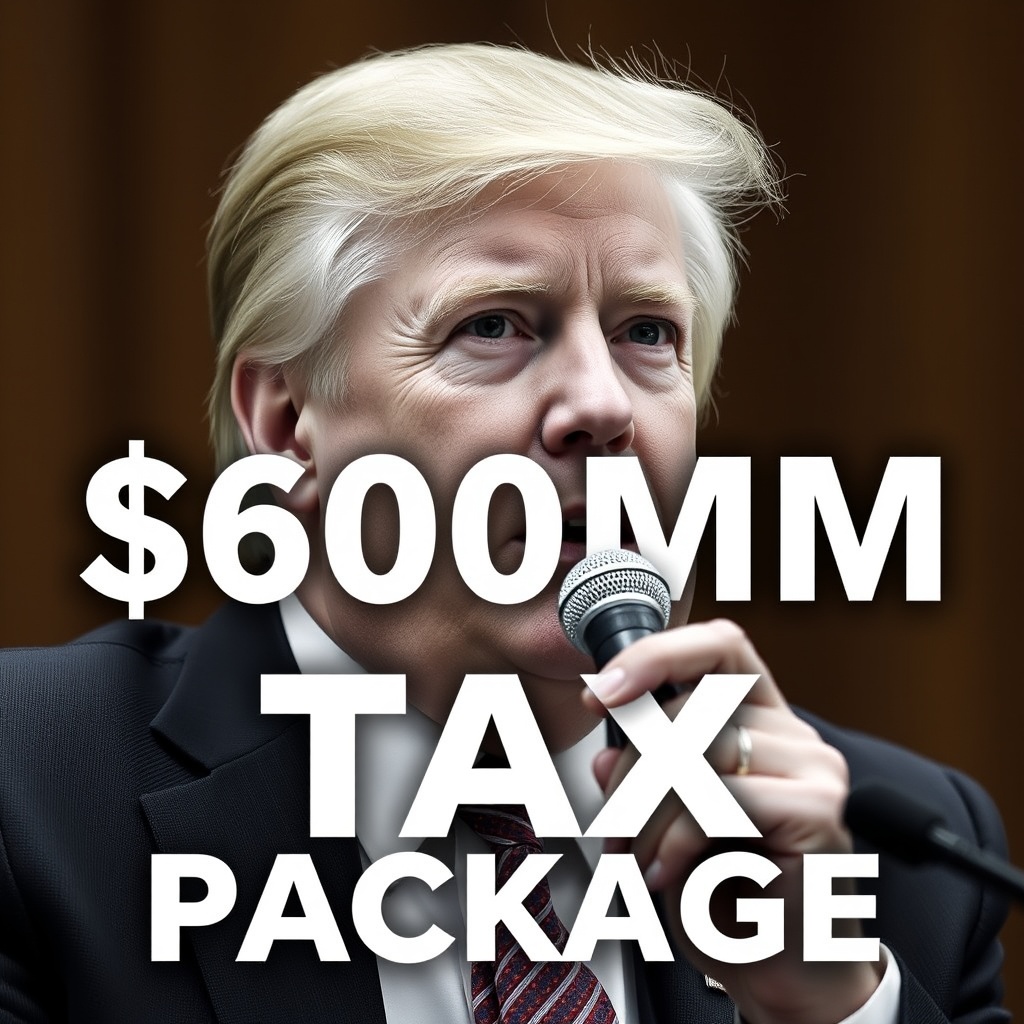
The world of politics is often filled with twists and turns, and the latest development in Chicago's City Council is no exception. In a move that has sent shockwaves throughout the city, the Finance Committee has rejected Mayor Brandon Johnson's proposed $600 million tax package. This decision has not only sparked intense debate but has also strained the already tumultuous relationship between the Mayor and the City Council. As the city grapples with the implications of this rejection, it is essential to delve into the details of the proposal, the reasons behind the committee's decision, and the potential consequences for the city's financial future.
Background and Proposal Details
Mayor Brandon Johnson's $600 million tax package was designed to address several pressing issues facing the city, including infrastructure development, public services, and social programs. The proposal included a combination of tax increases and reforms aimed at generating revenue to fund these initiatives. According to the Mayor's office, the package would have provided much-needed funding for critical areas such as education, healthcare, and public safety. However, the proposal also included provisions that would have increased the tax burden on certain segments of the population, which became a point of contention among City Council members.
The proposal included a range of tax measures, including a increase in the city's sales tax, a hike in property taxes, and the introduction of a new tax on certain luxury goods. The Mayor's office argued that these measures would have generated significant revenue for the city, which could be used to fund vital public services and invest in the city's infrastructure. However, opponents of the proposal argued that the tax increases would have placed an undue burden on low- and middle-income households, who are already struggling to make ends meet.
The Finance Committee's Decision
The City Council's Finance Committee is responsible for reviewing and approving the city's budget and tax proposals. The committee is composed of experienced lawmakers who are tasked with making informed decisions about the city's financial affairs. In this case, the committee voted to reject the Mayor's proposal, citing concerns about the impact of the tax increases on certain segments of the population.
According to committee members, the proposal did not do enough to address the concerns of low- and middle-income households, who would have been disproportionately affected by the tax increases. The committee also expressed concerns about the lack of transparency and accountability in the proposal, which they argued would have made it difficult to track how the revenue generated by the taxes would be used.
The committee's decision was not unanimous, with some members voting in favor of the proposal. However, the majority of the committee ultimately decided that the proposal was not in the best interests of the city and its residents. The rejection of the proposal has significant implications for the city's financial future, and it remains to be seen how the Mayor and the City Council will work together to find alternative solutions to the city's financial challenges.
Implications and Future Directions
The rejection of the Mayor's tax package has significant implications for the city's financial future. The city is facing a significant budget shortfall, and the rejection of the proposal means that alternative revenue sources will need to be found. The Mayor's office has indicated that it will work with the City Council to explore other options, including budget cuts and efficiency measures.
However, the rejection of the proposal has also sparked concerns about the city's ability to fund vital public services and invest in its infrastructure. The city's infrastructure is in dire need of repair and upgrade, and the rejection of the proposal means that these projects may be delayed or put on hold.
The rejection of the proposal has also highlighted the strained relationship between the Mayor and the City Council. The two branches of government have been at odds over a range of issues, including the city's budget and tax policy. The rejection of the proposal has exacerbated these tensions, and it remains to be seen how the two branches will work together to address the city's financial challenges.
In conclusion, the rejection of Mayor Brandon Johnson's $600 million tax package is a significant development in the world of Chicago politics. The proposal was designed to address several pressing issues facing the city, but it was ultimately rejected by the City Council's Finance Committee due to concerns about the impact of the tax increases on certain segments of the population. The rejection of the proposal has significant implications for the city's financial future, and it remains to be seen how the Mayor and the City Council will work together to find alternative solutions to the city's financial challenges.
Conclusion
The rejection of Mayor Brandon Johnson's $600 million tax package is a complex issue with far-reaching implications for the city of Chicago. As the city grapples with the challenges of funding vital public services and investing in its infrastructure, it is essential to consider the potential consequences of the committee's decision. The city's residents, businesses, and stakeholders will be closely watching the developments in the coming weeks and months, as the Mayor and the City Council work together to find alternative solutions to the city's financial challenges.
In the end, the rejection of the proposal serves as a reminder of the complexities and challenges of urban governance. As cities like Chicago continue to grow and evolve, they must navigate a range of competing interests and priorities to ensure that they remain vibrant, sustainable, and equitable for all residents. The story of the rejected tax package is a testament to the importance of collaboration, compromise, and creative problem-solving in addressing the complex challenges facing cities today.
The future of Chicago's financial landscape remains uncertain, but one thing is clear: the city's leaders must work together to find innovative solutions to the city's financial challenges. This will require a deep understanding of the city's budget, tax policy, and economic development strategy, as well as a commitment to transparency, accountability, and community engagement. As the city moves forward, it is essential to prioritize the needs and interests of all residents, businesses, and stakeholders, and to work towards a more sustainable, equitable, and prosperous future for all.
In the coming weeks and months, the city's residents and stakeholders will be watching closely to see how the Mayor and the City Council respond to the rejection of the tax package. Will they be able to find alternative solutions to the city's financial challenges, or will the city be forced to make difficult budget cuts and sacrifices? Only time will tell, but one thing is certain: the future of Chicago's financial landscape will be shaped by the decisions made by the city's leaders in the days and weeks ahead.
As the city navigates this complex and challenging landscape, it is essential to prioritize transparency, accountability, and community engagement. The city's residents and stakeholders deserve to know how their tax dollars are being spent, and how the city's budget and tax policy will impact their lives and livelihoods. By working together and prioritizing the needs and interests of all residents, businesses, and stakeholders, the city can build a more sustainable, equitable, and prosperous future for all.
Ultimately, the rejection of the tax package serves as a reminder of the importance of effective governance and leadership in urban planning and development. As cities like Chicago continue to grow and evolve, they must navigate a range of complex challenges and competing interests to ensure that they remain vibrant, sustainable, and equitable for all residents. By prioritizing collaboration, compromise, and creative problem-solving, the city's leaders can build a brighter future for all, and ensure that Chicago remains a thriving and prosperous city for generations to come.

Leave a comment