
Introduction
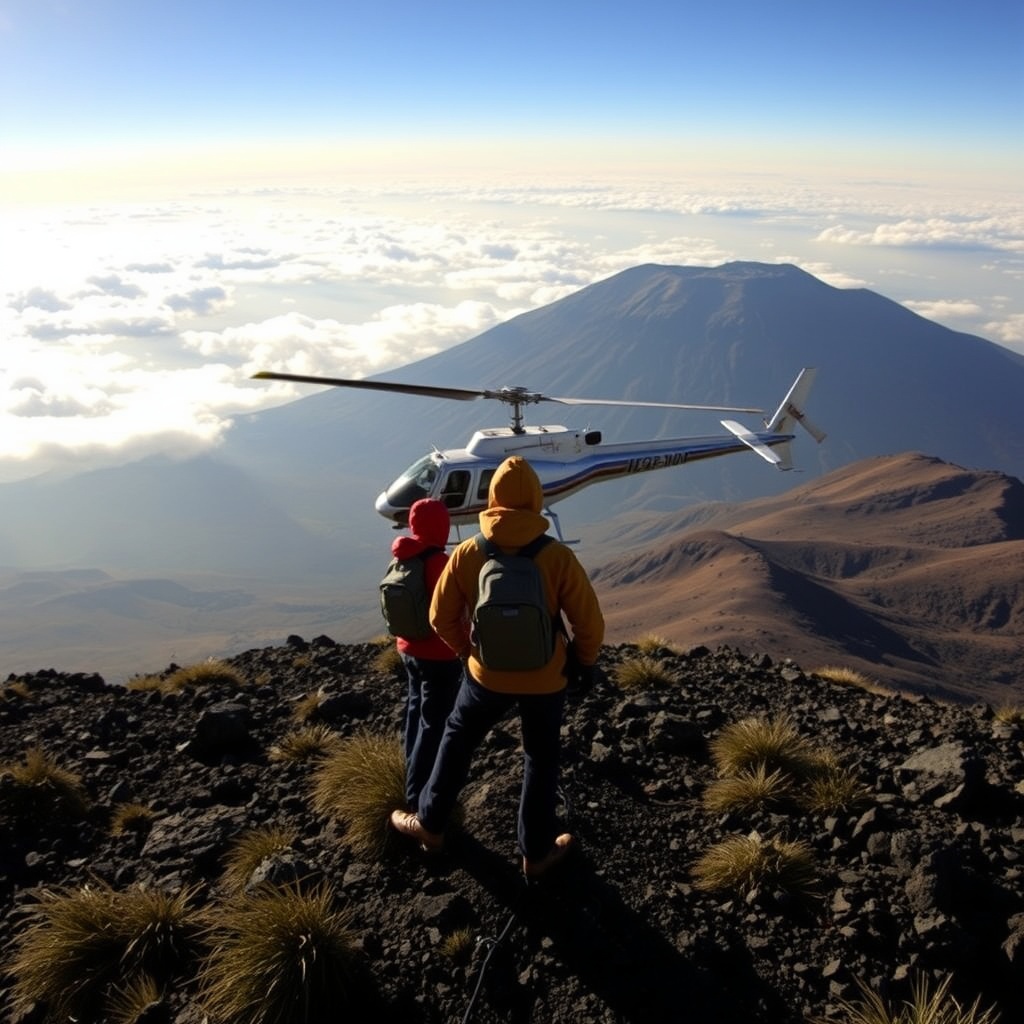
On December 25, 2025, a tragic incident occurred on the slopes of Kilimanjaro, Africa's highest peak, resulting in the loss of five lives. A helicopter carrying foreign tourists on a climbing trip crashed while descending the mountain, sending shockwaves throughout the global community. This devastating event highlights the risks and challenges associated with adventure tourism, particularly in remote and rugged locations like Kilimanjaro. In this article, we will delve into the details of the incident, explore the factors that may have contributed to the crash, and examine the broader implications for tourism and aviation safety in Africa.
Background and Incident Details
Kilimanjaro, located in Tanzania, is a popular destination for adventure seekers and nature enthusiasts. The mountain stands at an impressive 5,895 meters (19,341 feet) above sea level, offering breathtaking views and a unique climbing experience. However, the high altitude and unpredictable weather conditions also pose significant risks to climbers and aviation operators. According to reports, the helicopter was carrying a group of foreign tourists who had completed their climbing trip and were descending the mountain when the incident occurred. The cause of the crash is still under investigation, but preliminary reports suggest that poor weather conditions, including low visibility and strong winds, may have played a role.
The incident has sparked an outpouring of condolences from around the world, with many expressing shock and sadness at the loss of life. The Tanzanian government has launched an investigation into the crash, working closely with international authorities to determine the cause and prevent similar incidents in the future. As the investigation unfolds, it is essential to examine the factors that may have contributed to the crash, including the safety record of the aviation operator, the experience and training of the pilots, and the maintenance and airworthiness of the helicopter.
Safety Concerns and Regulatory Framework
The safety of adventure tourism, particularly in Africa, has been a topic of concern in recent years. The continent's diverse and often rugged landscape, combined with variable weather conditions, poses unique challenges to tourism operators and regulators. In Tanzania, the aviation industry is regulated by the Tanzania Civil Aviation Authority (TCAA), which is responsible for ensuring compliance with international safety standards. However, the effectiveness of regulatory oversight and enforcement can vary significantly from country to country, and even within countries, depending on factors such as resources, capacity, and corruption.
The International Civil Aviation Organization (ICAO) sets global standards for aviation safety, but the implementation and enforcement of these standards can be inconsistent. In Africa, many countries struggle to meet the minimum safety requirements, due to limited resources, inadequate infrastructure, and insufficient training. The helicopter crash on Kilimanjaro highlights the need for strengthened regulatory frameworks, increased investment in safety infrastructure, and enhanced training programs for pilots and tourism operators.
Economic and Environmental Impacts
The incident on Kilimanjaro also has significant economic and environmental implications. Tourism is a critical sector in Tanzania, accounting for a substantial proportion of the country's GDP and employment. The loss of life and damage to reputation can have far-reaching consequences for the tourism industry, potentially deterring visitors and impacting local livelihoods. Furthermore, the environmental impact of tourism on Kilimanjaro and other sensitive ecosystems must be carefully managed to prevent degradation and preserve the natural beauty of these areas.
The Tanzanian government has implemented various initiatives to promote sustainable tourism and protect the environment, including the establishment of national parks and conservation areas. However, the growth of tourism in Africa also poses challenges, such as the strain on local resources, the displacement of indigenous communities, and the degradation of natural habitats. As the tourism industry continues to evolve, it is essential to balance economic development with environmental sustainability and social responsibility.
Case Studies and Best Practices
The helicopter crash on Kilimanjaro serves as a reminder of the importance of prioritizing safety and sustainability in adventure tourism. There are several case studies and best practices that can inform the development of more effective regulatory frameworks and industry standards. For example, the Nepalese government has implemented a range of measures to improve safety in the Himalayas, including the introduction of stricter regulations, enhanced training programs, and improved emergency response systems.
In South Africa, the tourism industry has adopted a proactive approach to safety, with many operators investing in advanced safety equipment, training, and risk management systems. The use of technology, such as drone surveillance and weather monitoring systems, can also enhance safety and efficiency in adventure tourism. By studying these examples and adopting best practices, the tourism industry in Africa can reduce the risk of accidents and provide a safer, more enjoyable experience for visitors.
Conclusion
The helicopter crash on Kilimanjaro is a tragic reminder of the risks and challenges associated with adventure tourism in Africa. As the investigation into the incident continues, it is essential to examine the factors that may have contributed to the crash and to identify opportunities for improvement. By strengthening regulatory frameworks, investing in safety infrastructure, and promoting sustainable tourism practices, the industry can reduce the risk of accidents and provide a safer, more enjoyable experience for visitors.
The incident also highlights the need for increased cooperation and collaboration between governments, industry stakeholders, and international organizations to address the complex challenges facing adventure tourism in Africa. By working together, we can promote a culture of safety, sustainability, and responsibility, ensuring that the benefits of tourism are shared equitably and that the natural beauty of Africa's most iconic destinations is preserved for future generations. As we look to the future, it is essential to prioritize safety, sustainability, and social responsibility, recognizing that the long-term success of the tourism industry depends on its ability to balance economic development with environmental stewardship and social justice.

Leave a comment