
Introduction
The removal of transgender troops from the military has been a contentious issue in recent years, with many arguing that it is a costly mistake that undermines the effectiveness and inclusivity of the armed forces. Recently, a former top general has spoken out against the Pentagon's decision to remove thousands of transgender troops under an anti-DEI (Diversity, Equity, and Inclusion) push. This move has sparked widespread debate and criticism, with many arguing that it is a step backwards for the military and for the rights of transgender individuals. In this article, we will explore the issue of transgender troops in the military, the impact of the Pentagon's decision, and the potential consequences of this policy.
The History of Transgender Troops in the Military
The issue of transgender troops in the military has been a topic of discussion for many years. In 2016, the Obama administration announced that it would allow transgender individuals to serve openly in the military, ending a long-standing ban on their service. This decision was seen as a major victory for the LGBTQ+ community and was hailed as a step towards greater inclusivity and equality in the armed forces. However, in 2017, the Trump administration announced that it would be reversing this policy, citing concerns about the "deployability" of transgender troops and the potential impact on military readiness.
Despite the Trump administration's efforts to ban transgender troops, many continued to serve openly and with distinction. In fact, a 2020 survey found that the vast majority of military personnel believed that the presence of transgender troops had no impact on their unit's effectiveness or morale. Furthermore, a study by the Palm Center at the University of California, Los Angeles found that the repeal of the ban on transgender troops had no significant impact on military readiness or effectiveness.
The Impact of the Pentagon's Decision
The Pentagon's decision to remove thousands of transgender troops under an anti-DEI push has been widely criticized by LGBTQ+ advocates, military leaders, and lawmakers. Many argue that this decision is not only discriminatory and unjust, but also undermines the military's ability to recruit and retain top talent. According to a report by the Center for American Progress, the removal of transgender troops could cost the military up to $960 million over the next 10 years, as the military would be required to recruit and train new personnel to replace those who are forced to leave.
Furthermore, the removal of transgender troops could also have a significant impact on military morale and effectiveness. A study by the Human Rights Campaign found that LGBTQ+ inclusive policies, including the ability of transgender troops to serve openly, are associated with higher levels of job satisfaction, retention, and overall well-being among military personnel. By removing transgender troops, the military may be undermining its own efforts to promote diversity, equity, and inclusion, and to create a more welcoming and supportive environment for all personnel.
The Consequences of the Pentagon's Decision
The consequences of the Pentagon's decision to remove thousands of transgender troops could be far-reaching and devastating. Not only could it undermine the military's ability to recruit and retain top talent, but it could also have a significant impact on the mental health and well-being of transgender troops who are forced to leave. According to a report by the Trevor Project, LGBTQ+ youth, including those who serve in the military, are already at higher risk of suicide and mental health problems due to discrimination and stigma.
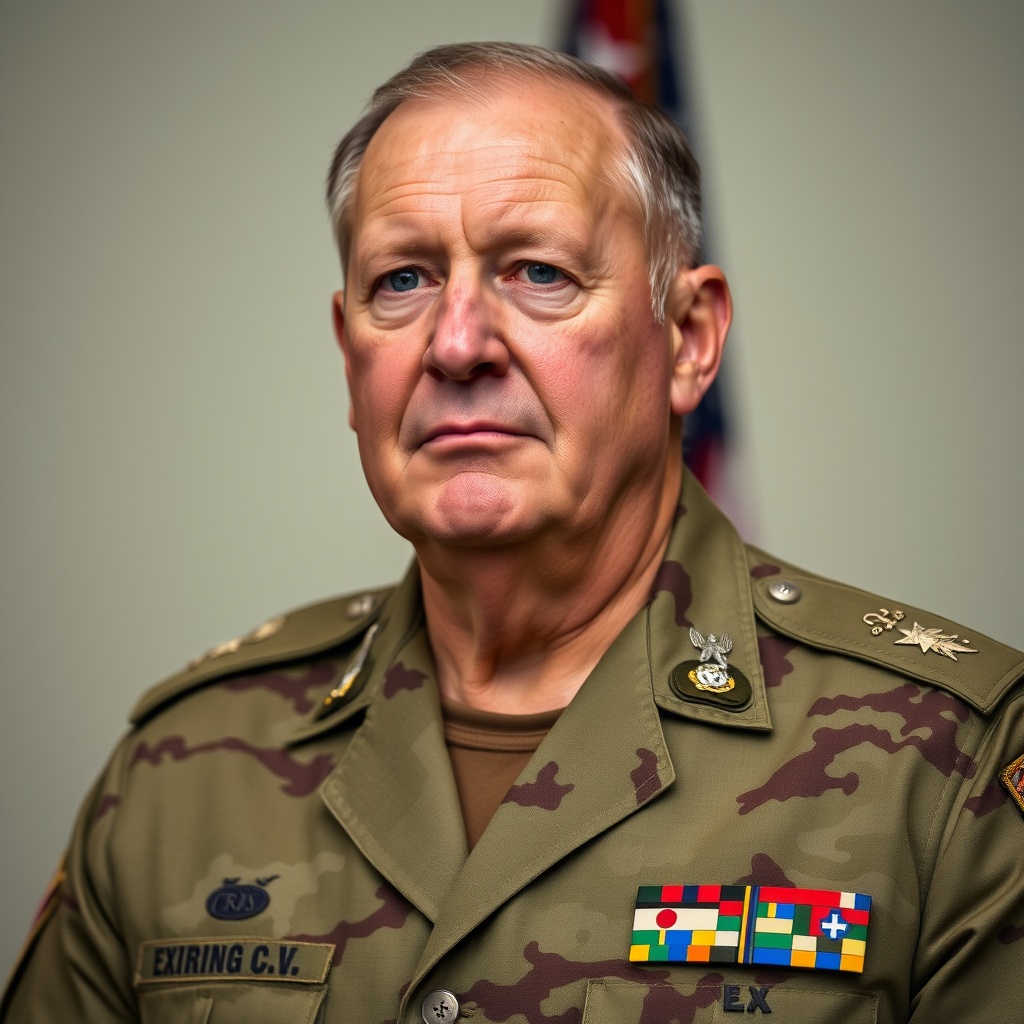
Furthermore, the removal of transgender troops could also have a significant impact on the military's ability to promote diversity, equity, and inclusion. By excluding transgender individuals from service, the military may be perpetuating a culture of discrimination and intolerance, which could have long-term consequences for the effectiveness and morale of the armed forces. As former top general, Lieutenant General Mark Hertling, has argued, the removal of transgender troops is a "costly mistake" that undermines the military's ability to promote diversity, equity, and inclusion, and to create a more welcoming and supportive environment for all personnel.
Conclusion
The removal of transgender troops from the military is a costly mistake that undermines the effectiveness and inclusivity of the armed forces. The Pentagon's decision to remove thousands of transgender troops under an anti-DEI push has been widely criticized by LGBTQ+ advocates, military leaders, and lawmakers, and could have far-reaching and devastating consequences for the military and for the rights of transgender individuals. As the military continues to grapple with the challenges of the 21st century, it is more important than ever that it promotes diversity, equity, and inclusion, and creates a welcoming and supportive environment for all personnel, regardless of their gender identity or expression. By doing so, the military can ensure that it remains a strong and effective force, capable of defending the nation and promoting American values around the world.

Leave a comment