
Introduction
On January 19, 2026, a significant event occurred in the realm of space weather, as a G4 (Severe) Geomagnetic Storm level was reached. This phenomenon is not only fascinating from a scientific perspective but also has practical implications for our daily lives, particularly in terms of technology and communication systems. The storm was triggered by the arrival of a Coronal Mass Ejection (CME) shock, which is a massive burst of plasma and magnetic field that is ejected from the sun. In this article, we will delve into the details of this event, exploring what G4 Geomagnetic Storms are, their effects, and the broader context of space weather and its impact on Earth.
Understanding Geomagnetic Storms
Geomagnetic storms are disturbances in the Earth's magnetic field, caused by changes in the solar wind, which is the stream of charged particles emitted by the sun. These storms can be triggered by various solar activities, including coronal mass ejections (CMEs) and solar flares. The severity of a geomagnetic storm is classified on the G-scale, which ranges from G1 (Minor) to G5 (Extreme). The G4 level, which was reached on January 19, 2026, is considered Severe and can have significant effects on technological systems and the environment.
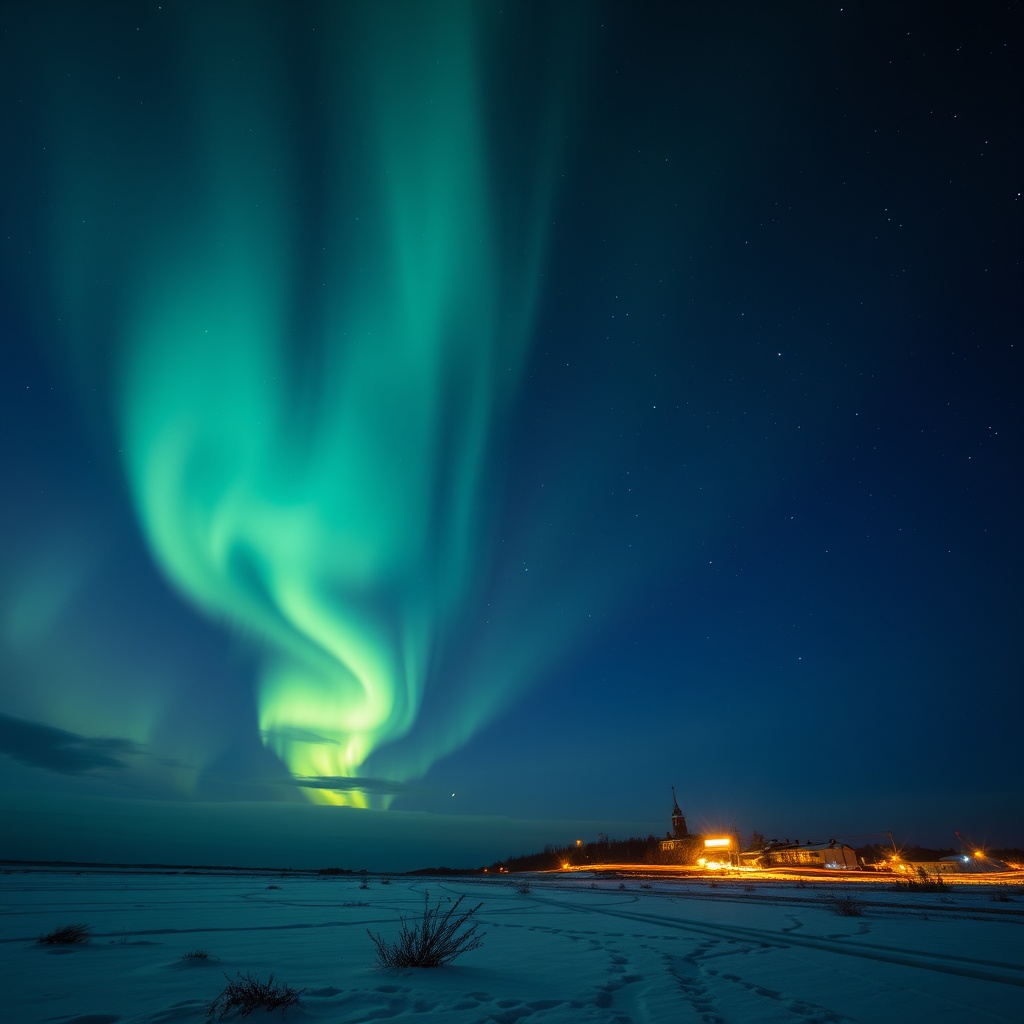
The effects of a G4 Geomagnetic Storm can be far-reaching. They include: - Power Grid Disruptions: Geomagnetically induced currents (GICs) can flow through power grids, potentially causing equipment damage and power outages. - Communication Disruptions: Radio blackouts can occur, affecting radio communications used in aviation, maritime, and emergency services. - Navigation System Disruptions: The storm can cause satellite signal delays, affecting Global Positioning System (GPS) accuracy. - Aurora Displays: One of the more spectacular effects is the possibility of seeing the aurora borealis (northern lights) and aurora australis (southern lights) at lower latitudes than usual.
The Science Behind CMEs and Geomagnetic Storms
CMEs are a key factor in the initiation of geomagnetic storms. When a CME is ejected from the sun, it carries a significant amount of plasma and magnetic field with it. If this ejection is directed towards Earth, it can interact with our planet's magnetic field, causing a geomagnetic storm. The severity of the storm depends on several factors, including the speed and density of the CME, the orientation of its magnetic field relative to Earth's magnetic field, and the condition of the Earth's magnetic field at the time of impact.
The process of a CME impacting Earth's magnetic field is complex and involves several stages. Initially, the CME shock front compresses the Earth's magnetic field, causing the field lines to become more dense. This compression can lead to a reconnection process, where the magnetic field lines of the CME and the Earth's magnetic field reconnect, releasing a vast amount of energy. This energy release is what drives the geomagnetic storm, causing disturbances in the magnetic field, the ionosphere, and the atmosphere.
Implications and Preparations
Given the potential impacts of a G4 Geomagnetic Storm, it is crucial for various sectors to be prepared. This includes: - Power Grid Operators: They need to be aware of the risk of GICs and have strategies in place to mitigate them, such as adjusting grid operations or using GIC-blocking devices. - Communication and Navigation Service Providers: They should have backup systems in place to minimize the impact of radio blackouts and satellite signal delays. - Aviation and Maritime Industries: These sectors should be prepared for possible communication and navigation disruptions, having alternative plans and procedures ready. - Space Weather Forecasting: Improving the accuracy and lead time of space weather forecasts is crucial for enabling timely preparations and mitigations.
The event on January 19, 2026, serves as a reminder of the dynamic and sometimes unpredictable nature of space weather. As our reliance on technological systems grows, so does our vulnerability to space weather events. Therefore, it is essential to continue investing in space weather research, forecasting, and mitigation strategies to protect our critical infrastructure and ensure the continuity of essential services.
Future Directions and Research
The study of geomagnetic storms and space weather is an active area of research, with scientists working to improve our understanding of these phenomena and our ability to predict them. Future research directions include: - Advanced Forecasting Models: Developing models that can more accurately predict the impact of CMEs and other solar events on Earth's magnetic field. - Space Weather Monitoring: Enhancing the network of satellites and ground-based observatories that monitor the sun and the Earth's magnetic field. - Mitigation Technologies: Developing new technologies and strategies to protect power grids, communication systems, and other critical infrastructure from the effects of geomagnetic storms.
In conclusion, the G4 Geomagnetic Storm that occurred on January 19, 2026, highlights the importance of understanding and preparing for space weather events. As we move forward, it is crucial to continue advancing our knowledge of these phenomena, improving our forecasting capabilities, and developing effective mitigation strategies. By doing so, we can better protect our technological systems and ensure the resilience of our societies in the face of severe space weather events.
Conclusion
The G4 Geomagnetic Storm of January 19, 2026, is a significant event that underscores the dynamic relationship between the Earth and the sun. As we continue to explore and understand space weather, we are reminded of the importance of this field of study for the protection of our critical infrastructure and the advancement of our technological capabilities. Looking to the future, it is clear that ongoing research and international cooperation will be essential in addressing the challenges posed by severe geomagnetic storms and other space weather phenomena. By working together and leveraging our collective knowledge and expertise, we can build a more resilient and sustainable future for generations to come.

Leave a comment