
Introduction
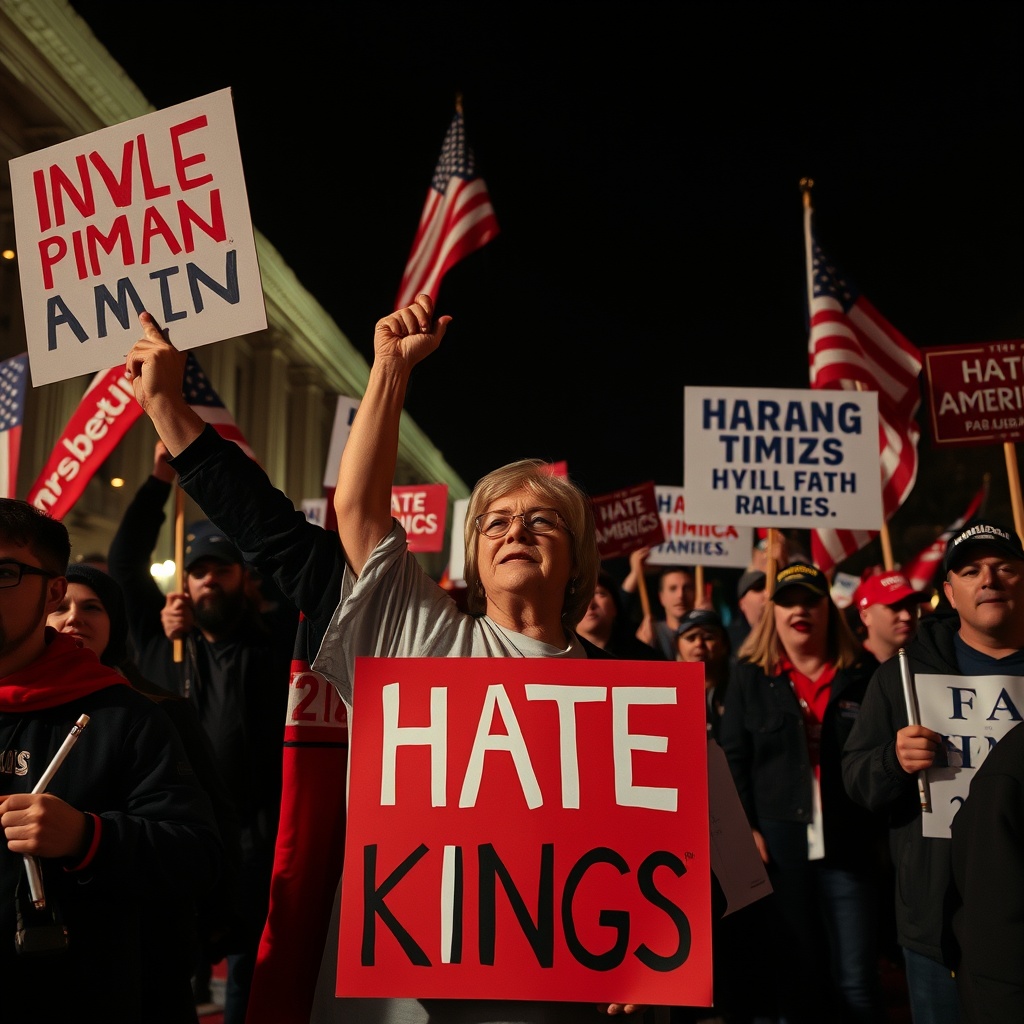
The United States has long been a bastion of free speech and political dissent, with protests and rallies being a common occurrence across the country. However, the upcoming "No Kings" protests, which are set to take place on Saturday with over 2600 rallies planned, have sparked a contentious debate about the nature of these gatherings. Republican officials have sought to cast these protests against President Trump as "hate America" rallies, sparking a heated discussion about the true intentions of the protesters. In this article, we will delve into the details of the "No Kings" protests, the Republican response, and the implications of this debate for the future of American politics.
The "No Kings" Protests: A Call for Accountability
The "No Kings" protests are a nationwide movement that aims to hold President Trump accountable for his actions and policies. The protests are scheduled to take place in over 2600 locations across the country, with thousands of Americans expected to participate. The movement is driven by a sense of frustration and disillusionment with the current state of politics, with many feeling that the President has overstepped his authority and undermined the democratic institutions of the country. The protesters are calling for greater transparency, accountability, and a return to the principles of democracy that have long defined American politics.
According to a recent poll, 62% of Americans believe that President Trump has abused his power, while 55% think that he has undermined the democratic institutions of the country. These numbers suggest that the "No Kings" protests are not just a fringe movement, but rather a manifestation of a broader discontent with the current state of politics. For example, the city of New York is expected to see one of the largest turnouts, with thousands of protesters planning to gather in Times Square to voice their concerns.
The Republican Response: Branding the Protests as "Hate America" Rallies
Republican officials have responded to the "No Kings" protests by seeking to cast them as "hate America" rallies. This narrative suggests that the protesters are not motivated by a desire to hold the President accountable, but rather by a deep-seated hatred for the country and its institutions. The Republicans have argued that the protests are being driven by a radical left-wing agenda, and that the protesters are seeking to undermine the very foundations of American democracy.
However, this narrative has been widely criticized as a misrepresentation of the protesters' intentions. Many of the protesters are motivated by a desire to protect the democratic institutions of the country, and to ensure that the President is held accountable for his actions. For instance, a recent statement by the organizers of the "No Kings" protests emphasized that the movement is not about hating America, but rather about loving the country enough to want to see it improved.
The Republican response has also been criticized as an attempt to distract from the real issues at hand. By casting the protests as "hate America" rallies, the Republicans are able to shift the focus away from the President's policies and actions, and onto the protesters themselves. This tactic has been used before, with the Republicans seeking to discredit and delegitimize any opposition to the President's agenda.
Implications for the Future of American Politics
The debate over the "No Kings" protests has significant implications for the future of American politics. If the Republicans are successful in casting the protests as "hate America" rallies, it could have a chilling effect on free speech and political dissent. It could also further polarize the country, with many Americans feeling that their voices are not being heard and that their concerns are being dismissed.
On the other hand, if the protesters are able to successfully convey their message and achieve their goals, it could mark a significant shift in the balance of power in American politics. It could demonstrate that the American people are no longer willing to accept a President who acts with impunity, and that they demand greater accountability and transparency from their leaders.
In conclusion, the "No Kings" protests represent a significant moment in American politics. The protests are a call for accountability, a demand for greater transparency, and a rejection of the idea that the President is above the law. The Republican response, which seeks to cast the protests as "hate America" rallies, is a misrepresentation of the protesters' intentions and a attempt to distract from the real issues at hand. As the country moves forward, it is essential that Americans remain vigilant and committed to the principles of democracy, and that they continue to demand accountability and transparency from their leaders.
Conclusion
The "No Kings" protests are a testament to the enduring power of free speech and political dissent in American politics. Despite the attempts by Republican officials to cast the protests as "hate America" rallies, the movement remains a powerful force for change and accountability. As the country looks to the future, it is essential that Americans continue to engage in open and honest dialogue about the issues that matter most, and that they remain committed to the principles of democracy that have long defined American politics. By doing so, Americans can ensure that their voices are heard, and that their concerns are addressed in a fair and transparent manner. Ultimately, the success of the "No Kings" protests will depend on the ability of the protesters to convey their message and achieve their goals, and on the willingness of Americans to demand greater accountability and transparency from their leaders.

Leave a comment