
Introduction
The United States has long been known for its vibrant democratic traditions, including the right to peaceful protest. However, in recent years, the country has witnessed a growing divide, with political parties often attempting to shape public narratives to their advantage. The latest example of this phenomenon is the "No Kings" protests, a series of anti-Trump demonstrations scheduled to take place across the country. As Republican officials try to brand these protests as un-American, it raises important questions about the state of political discourse, the role of dissent in a democratic society, and the ongoing polarization of American politics. This article will delve into the "No Kings" protests, the GOP's strategy to label them as un-American, and the broader implications for the health of American democracy.
The "No Kings" Protests: Background and Significance
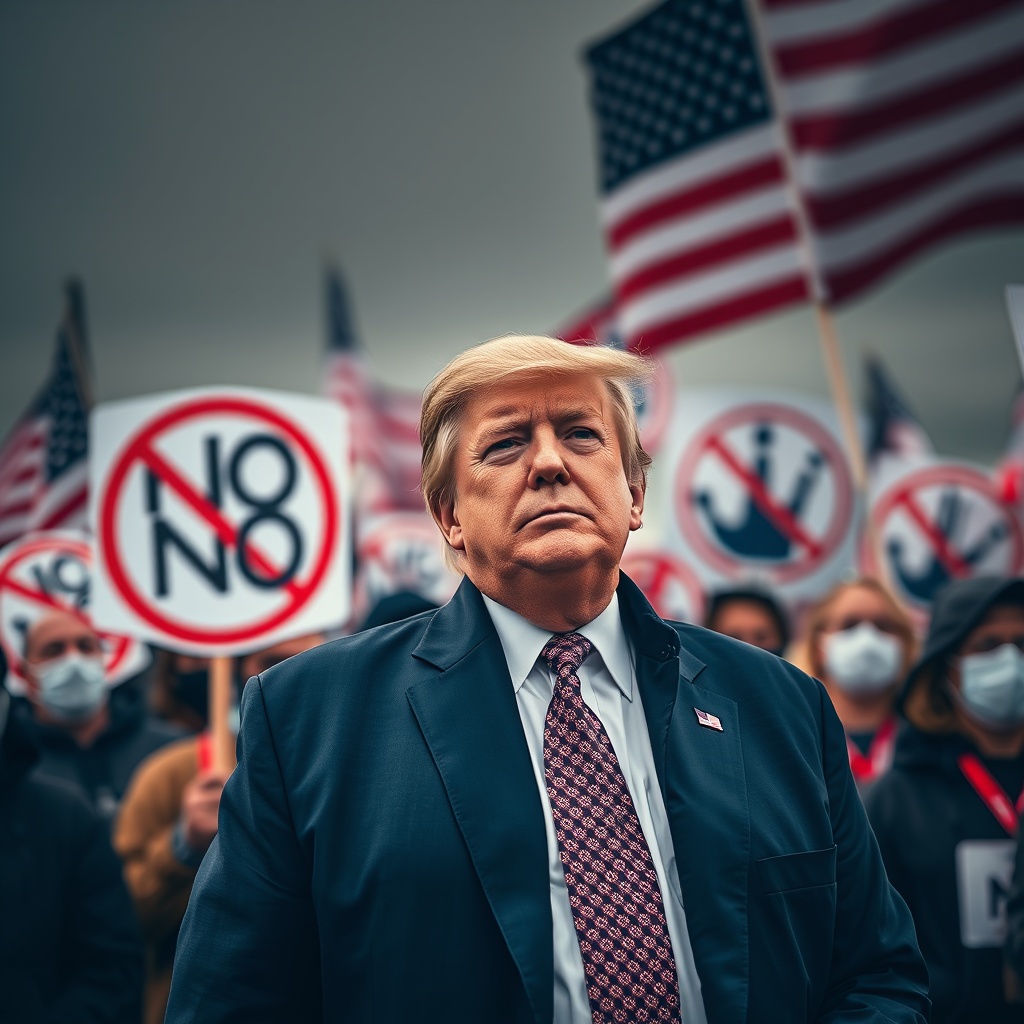
The "No Kings" protests, with over 2600 rallies planned, represent a significant moment in American political history. These protests are not just about expressing dissent against President Trump's policies or actions; they symbolize a deeper discontent with what many perceive as an erosion of democratic norms and an abuse of executive power. The term "No Kings" itself is a powerful metaphor, evoking the foundational American principle of rejecting monarchies and embracing democratic governance. By invoking this historical reference, the protests aim to underscore the importance of accountability, transparency, and the rule of law in a democratic republic.
The significance of these protests also lies in their grassroots nature, with thousands of Americans from diverse backgrounds coming together to voice their concerns about the direction of the country. In an era marked by political polarization and the echo chambers of social media, the "No Kings" protests offer a rare example of collective action that transcends party lines, age groups, and geographic divisions. They demonstrate that, despite the profound differences that may exist, there is a shared commitment to the principles of democracy and a willingness to stand up for what is perceived as a threat to those principles.
The GOP's Strategy: Labeling Dissent as Un-American
The Republican Party's attempt to brand the "No Kings" protests as un-American is a strategic move that reflects a broader trend in contemporary American politics. By labeling dissent as un-American, the GOP aims to discredit the protests and undermine their legitimacy in the eyes of the public. This strategy is not new; it has historical precedents, such as the McCarthy era, where accusations of disloyalty were used to silence political opponents and stifle dissent.
The implications of this strategy are far-reaching. First, it contributes to the polarization of American politics, creating an environment where political differences are not just debated but where the very patriotism of one's opponents is questioned. Second, it undermines the foundational right to peaceful protest, a cornerstone of American democracy. By implying that those who protest against the government are somehow less American, the GOP's strategy threatens to chill free speech and discourage citizens from engaging in political activism.
Moreover, this approach reflects a misunderstanding of what it means to be American. The United States was founded on the principles of dissent and the rejection of tyranny. The American Revolution itself was a protest against monarchical rule, and throughout its history, the country has seen numerous movements and protests that have shaped its democracy. From the Civil Rights Movement to the anti-war protests of the 1960s, dissent has been a powerful force for change, pushing America to live up to its ideals of liberty, equality, and justice.
The Broader Implications for American Democracy
The "No Kings" protests and the GOP's response to them highlight deeper challenges facing American democracy. One of the primary concerns is the erosion of trust in institutions. When political parties seek to delegitimize dissent and label their opponents as un-American, it contributes to a climate of distrust and division. This not only affects the political process but also has social and cultural implications, as Americans become more entrenched in their beliefs and less willing to engage with opposing viewpoints.
Another significant implication is the impact on civic engagement and political participation. If protests and dissent are consistently labeled as un-American, it may deter citizens from participating in the political process, either through voting, protesting, or running for office. This would be a dangerous development, as the health of democracy depends on the active participation of its citizens. The "No Kings" protests, despite the attempts to delegitimize them, demonstrate that there is still a vibrant tradition of political activism in America, and it is this spirit that must be nurtured and protected.
Finally, the international implications of these developments should not be overlooked. The United States has long been a beacon of democracy and freedom, inspiring movements for democracy around the world. When American political leaders question the patriotism of protesters or attempt to suppress dissent, it sends a troubling message to the rest of the world. It undermines America's moral authority and provides fodder for authoritarian regimes that seek to justify their own suppression of dissent.
Conclusion
The "No Kings" protests and the GOP's attempt to brand them as un-American reflect the complex and often contentious nature of American politics today. As the country navigates these challenging times, it is essential to remember the principles upon which America was founded: the right to dissent, the importance of democratic participation, and the rejection of tyranny. The health of American democracy depends on the ability of its citizens to engage in free and open discourse, to protest when they see injustice, and to hold their leaders accountable.
Looking to the future, it is crucial that Americans from all political backgrounds come together to reaffirm their commitment to these democratic principles. This includes recognizing the value of dissent and the importance of peaceful protest as a means of expressing political beliefs and bringing about change. By doing so, the United States can continue to be a beacon of democracy and freedom, inspiring future generations to stand up for what they believe in and to never stop striving for a more perfect union. The "No Kings" protests are not just a moment in time; they are a reminder of the enduring power of American democracy and the unyielding spirit of its people.

Leave a comment