
Introduction
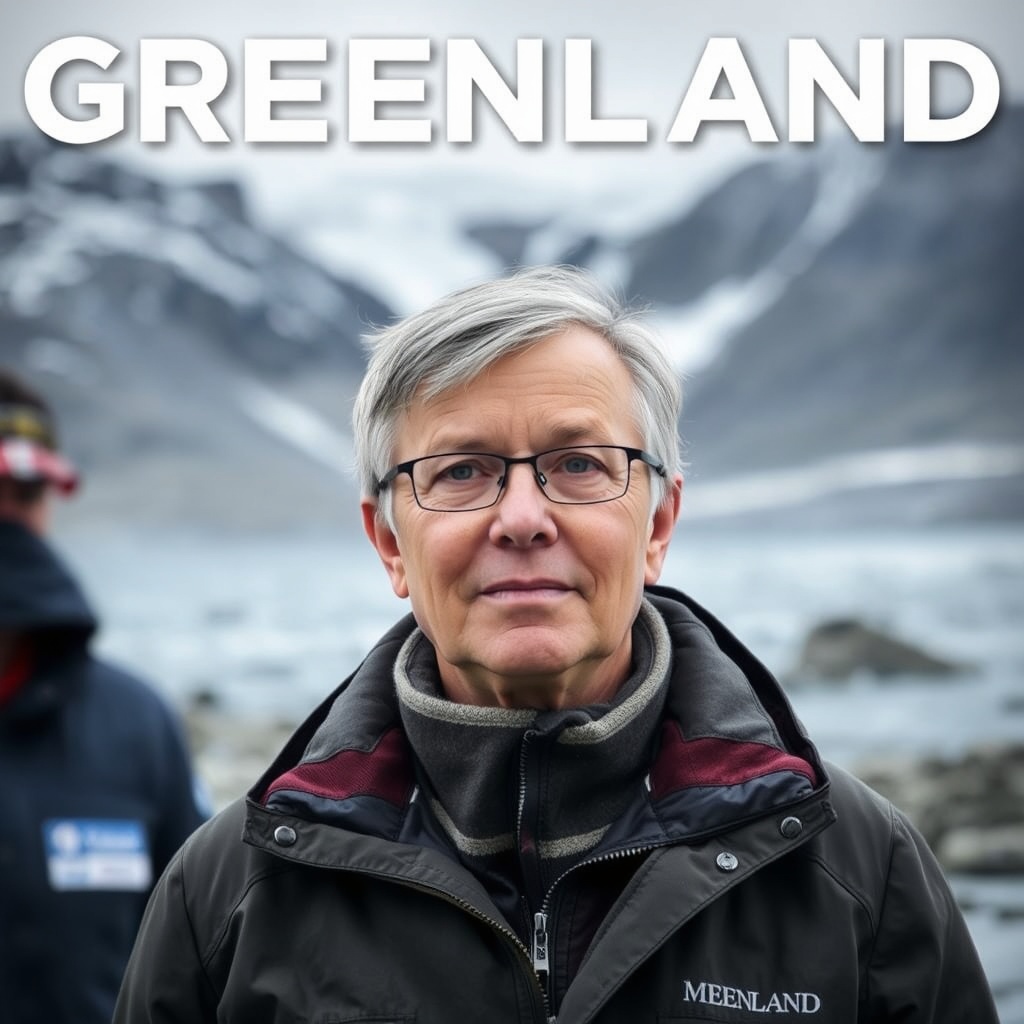
In a shocking and unprecedented move, the Prime Minister of Greenland has issued a statement urging the population and authorities to prepare for a possible military invasion. This warning comes at a time of heightened global tensions and increasing competition for resources in the Arctic region. The announcement has sent shockwaves around the world, leaving many to wonder what could be the motivations behind such a statement and what implications it may have for the future of Greenland and the world at large. In this article, we will delve into the details of the situation, exploring the potential reasons behind the Prime Minister's warning, the current state of Greenland's military preparedness, and the potential consequences of a military invasion.
The Strategic Importance of Greenland
Greenland, an autonomous territory within the Kingdom of Denmark, is the world's largest island, with a vast and largely untouched wilderness. The country's strategic importance cannot be overstated, with its unique geography and natural resources making it a crucial player in the global economy. Greenland is home to significant deposits of rare earth minerals, iron ore, and other valuable commodities, which have attracted the attention of major powers around the world. The country's location in the Arctic also makes it a critical hub for international shipping and trade, with the melting of sea ice due to climate change opening up new opportunities for navigation and exploration.
The Arctic region has become an increasingly important area of competition between major powers, including the United States, China, Russia, and the European Union. The region's natural resources, including oil, gas, and minerals, are highly coveted, and the potential for new shipping lanes and trade routes has sparked a scramble for influence and control. Greenland, with its strategic location and rich resources, is at the center of this competition, and the country's government has been working to balance its relationships with major powers while maintaining its independence and sovereignty.
Greenland's Military Preparedness
Greenland's military is relatively small and underdeveloped, with a total of around 150-200 personnel. The country's defense is primarily the responsibility of Denmark, which provides a significant portion of Greenland's military funding and personnel. However, in recent years, Greenland has been working to increase its military capabilities and assert its independence in the region. The country has established its own coast guard and has been investing in new equipment and training for its personnel.
Despite these efforts, Greenland's military remains woefully unprepared for a potential invasion. The country's remote location and harsh climate make it difficult to defend, and the lack of infrastructure and resources would make it challenging for Greenland to respond to a large-scale attack. The Prime Minister's warning is likely an attempt to raise awareness of these vulnerabilities and to urge the international community to take notice of the potential risks to Greenland's security.
Potential Consequences of a Military Invasion
A military invasion of Greenland would have significant consequences for the country and the world at large. The country's small population and limited infrastructure would make it vulnerable to occupation and exploitation, and the loss of Greenland's sovereignty would have far-reaching implications for the global balance of power. The invasion would also have significant environmental implications, as Greenland's unique and fragile ecosystem would be at risk of damage or destruction.
The consequences of a military invasion would not be limited to Greenland, however. The country's strategic location and natural resources make it a critical component of the global economy, and a disruption to the region's stability would have far-reaching implications for international trade and commerce. The invasion would also likely spark a wider conflict, as major powers would be drawn into the region to protect their interests and assert their influence.
International Reaction
The international community has been quick to respond to the Prime Minister's warning, with many countries and organizations issuing statements of support and solidarity with Greenland. The Danish government, which is responsible for Greenland's defense, has reaffirmed its commitment to protecting the country's sovereignty and security. The United States, China, and Russia have also issued statements, with each country seeking to reassure Greenland of its support and friendship.
The European Union has also been quick to respond, with the EU's High Representative for Foreign Affairs and Security Policy issuing a statement calling for calm and restraint in the region. The United Nations has also been involved, with the Secretary-General issuing a statement urging all parties to respect Greenland's sovereignty and territorial integrity.
Conclusion
The Prime Minister of Greenland's warning of a possible military invasion has sent shockwaves around the world, highlighting the country's vulnerabilities and the potential risks to its sovereignty and security. The country's strategic location and natural resources make it a critical component of the global economy, and the potential consequences of a military invasion would be far-reaching and devastating. As the international community continues to grapple with the implications of this warning, it is clear that the situation in Greenland will be closely watched in the coming days and weeks.
The Prime Minister's warning is a call to action, urging the international community to take notice of the potential risks to Greenland's security and to work together to prevent a military invasion. It is a reminder that the Arctic region is a critical component of the global economy and that the stability and security of the region are essential for international trade and commerce.
As the world looks to the future, it is clear that the situation in Greenland will be a critical test of international cooperation and diplomacy. The country's sovereignty and security must be protected, and the international community must work together to prevent a military invasion and to promote stability and security in the region. The consequences of failure would be catastrophic, and it is imperative that the world takes notice of the Prime Minister's warning and works together to prevent a disaster.
In the coming months and years, the world will be watching Greenland closely, as the country navigates the complex and challenging landscape of international relations. The Prime Minister's warning is a wake-up call, a reminder that the Arctic region is a critical component of the global economy and that the stability and security of the region are essential for international trade and commerce. As the world looks to the future, it is clear that the situation in Greenland will be a critical test of international cooperation and diplomacy, and that the consequences of failure would be far-reaching and devastating.
The world must take the Prime Minister's warning seriously, and work together to prevent a military invasion and to promote stability and security in the region. This will require a concerted effort from major powers, international organizations, and the global community as a whole. It will require a commitment to diplomacy, cooperation, and mutual understanding, as well as a willingness to work together to address the complex and challenging issues facing the Arctic region.
Ultimately, the future of Greenland and the Arctic region will depend on the ability of the international community to work together to promote stability and security. The Prime Minister's warning is a call to action, a reminder that the world must take notice of the potential risks to Greenland's sovereignty and security, and work together to prevent a disaster. As the world looks to the future, it is clear that the situation in Greenland will be a critical test of international cooperation and diplomacy, and that the consequences of failure would be catastrophic.

Leave a comment