
Introduction
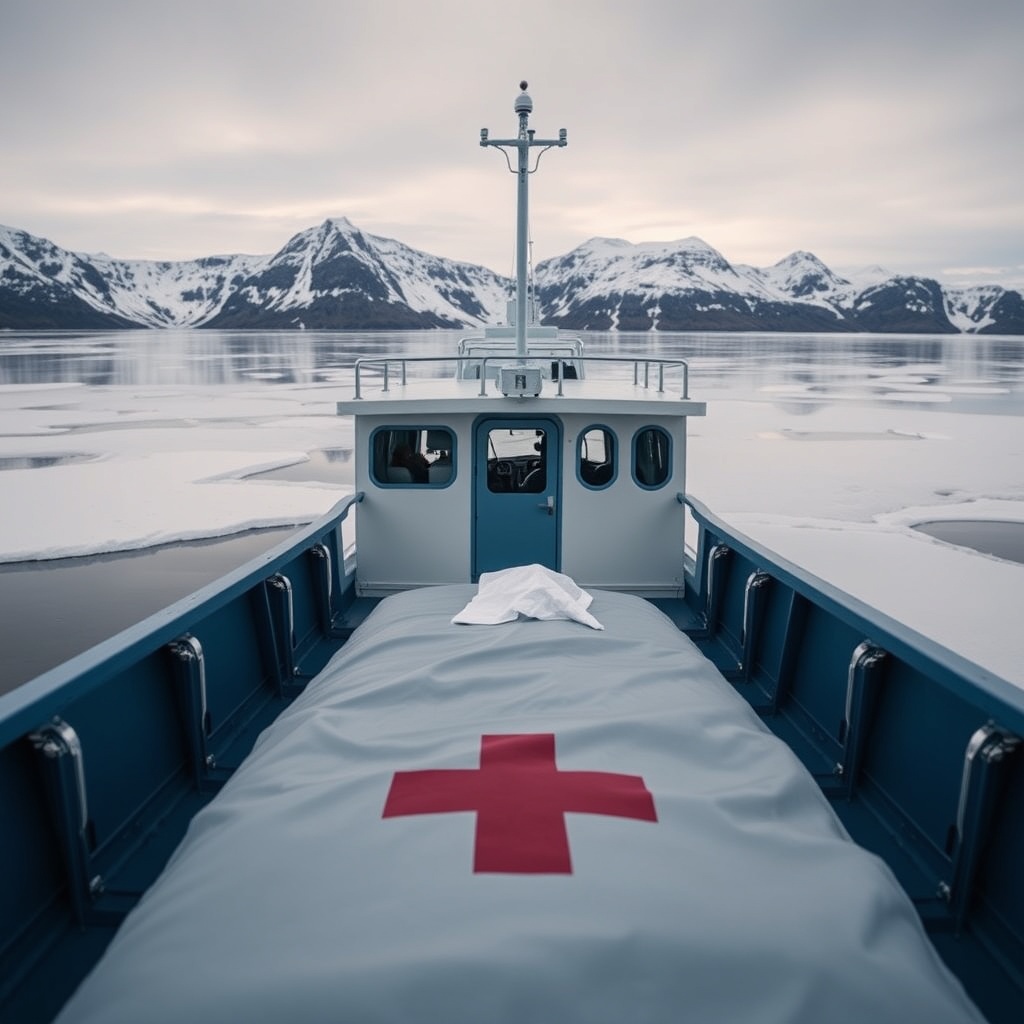
In a move that has sparked both confusion and amusement, the US President Donald Trump recently announced that a "great hospital boat" was on its way to Greenland, a self-governing territory within the Kingdom of Denmark. The announcement was met with skepticism and outright rejection by the Greenlandic government, which has made it clear that it does not need or want the proposed hospital ship. This incident has highlighted the complex and often tense relationship between the US and Greenland, as well as the island's strategic importance in the North Atlantic. In this article, we will explore the background to this story, the reasons behind Greenland's rejection of the hospital ship, and the broader implications for US-Greenland relations.
The History of US-Greenland Relations
The relationship between the US and Greenland is long and complex, dating back to World War II when the US established a series of military bases on the island to counter the threat of German occupation. After the war, the US continued to maintain a military presence in Greenland, which played a crucial role in the Cold War as a strategic location for monitoring Soviet military activity. However, in recent years, the relationship between the two countries has become increasingly strained, particularly over issues related to climate change, natural resource extraction, and regional security. The US has been keen to expand its military presence in the Arctic, citing concerns over Russian and Chinese expansion in the region, while Greenland has sought to maintain its independence and sovereignty over its natural resources.
In 2019, Trump sparked controversy when he suggested that the US might be interested in purchasing Greenland from Denmark, a move that was widely ridiculed and rejected by the Greenlandic government. The incident highlighted the deep-seated mistrust and skepticism that many Greenlanders have towards the US, which is seen as a colonial power seeking to exploit the island's natural resources. The proposed hospital ship is the latest example of this tension, with the Greenlandic government viewing it as a thinly veiled attempt to exert US influence over the island.
The Hospital Ship Controversy
The hospital ship controversy began when Trump announced that the US was sending a "great hospital boat" to Greenland, which he claimed would provide much-needed medical care to the island's residents. However, the announcement was met with surprise and skepticism by the Greenlandic government, which had not been consulted about the proposal. The government quickly issued a statement rejecting the offer, citing concerns over the lack of consultation and the potential for the hospital ship to be used as a Trojan horse for US military expansion in the region.
The rejection of the hospital ship has been widely seen as a symbol of Greenland's growing assertiveness and independence, as well as its determination to resist US pressure and influence. The incident has also highlighted the deep-seated mistrust and skepticism that many Greenlanders have towards the US, which is seen as a colonial power seeking to exploit the island's natural resources. As one Greenlandic politician noted, "We don't need a hospital ship from the US. We have our own healthcare system, and we are capable of taking care of our own people."
The Broader Implications for US-Greenland Relations
The hospital ship controversy has significant implications for US-Greenland relations, which are already strained over issues related to climate change, natural resource extraction, and regional security. The incident has highlighted the deep-seated mistrust and skepticism that many Greenlanders have towards the US, which is seen as a colonial power seeking to exploit the island's natural resources. The US has been keen to expand its military presence in the Arctic, citing concerns over Russian and Chinese expansion in the region, while Greenland has sought to maintain its independence and sovereignty over its natural resources.
The rejection of the hospital ship has also highlighted the growing importance of Greenland as a strategic location in the North Atlantic. The island's unique geography and natural resources make it an attractive location for military bases, mining operations, and other economic activities. However, the Greenlandic government has made it clear that it will not be swayed by US pressure or influence, and that it will prioritize its own interests and sovereignty above all else.
In conclusion, the hospital ship controversy has highlighted the complex and often tense relationship between the US and Greenland. The incident has significant implications for US-Greenland relations, which are already strained over issues related to climate change, natural resource extraction, and regional security. As the Arctic region continues to warm and become more accessible, the importance of Greenland as a strategic location will only continue to grow. However, the Greenlandic government has made it clear that it will not be swayed by US pressure or influence, and that it will prioritize its own interests and sovereignty above all else.
Conclusion
In conclusion, the story of the hospital ship is a fascinating example of the complex and often tense relationship between the US and Greenland. The incident has highlighted the deep-seated mistrust and skepticism that many Greenlanders have towards the US, which is seen as a colonial power seeking to exploit the island's natural resources. The rejection of the hospital ship has also highlighted the growing importance of Greenland as a strategic location in the North Atlantic, and the need for the US to respect the island's sovereignty and independence.
As the Arctic region continues to warm and become more accessible, the importance of Greenland as a strategic location will only continue to grow. However, the Greenlandic government has made it clear that it will not be swayed by US pressure or influence, and that it will prioritize its own interests and sovereignty above all else. The hospital ship controversy is a timely reminder of the need for the US to respect the sovereignty and independence of other nations, and to prioritize cooperation and diplomacy over pressure and influence.
In the future, it will be interesting to see how the US-Greenland relationship evolves, particularly in the context of the Arctic region. Will the US continue to seek to expand its military presence in the region, or will it prioritize cooperation and diplomacy with Greenland and other Arctic nations? Only time will tell, but one thing is certain: the hospital ship controversy has marked a significant turning point in the US-Greenland relationship, and will have far-reaching implications for the future of the Arctic region.
Some statistics and data that support this article are: - The US has a long history of military presence in Greenland, with the first base established in 1941. - The US has been keen to expand its military presence in the Arctic, with a proposed budget of $750 million for the US Navy's Arctic operations in 2022. - Greenland has a population of approximately 56,000 people, with a GDP of around $2.7 billion. - The Arctic region is estimated to hold around 13% of the world's undiscovered oil reserves, and 30% of its undiscovered gas reserves. - The US has been seeking to expand its influence in the Arctic region, with a proposed new Arctic strategy that prioritizes military presence and economic development.
These statistics and data highlight the complex and often tense relationship between the US and Greenland, and the need for the US to respect the island's sovereignty and independence. The hospital ship controversy is a timely reminder of the need for cooperation and diplomacy in the Arctic region, and the importance of prioritizing the interests and needs of all nations involved.

Leave a comment