
Introduction
The White House, a symbol of American history and democracy, has been at the center of a heated debate over the proposed demolition of the East Wing to make way for a new ballroom. The Trump administration has been pushing forward with the plans, despite opposition from historic preservation groups. One such group, a prominent national organization dedicated to preserving the country's historic sites, has urged the administration to pause the demolition, citing the cultural and historical significance of the East Wing. This article will delve into the controversy surrounding the proposed demolition, the arguments presented by both sides, and the potential implications for the White House and American history.
The Significance of the East Wing
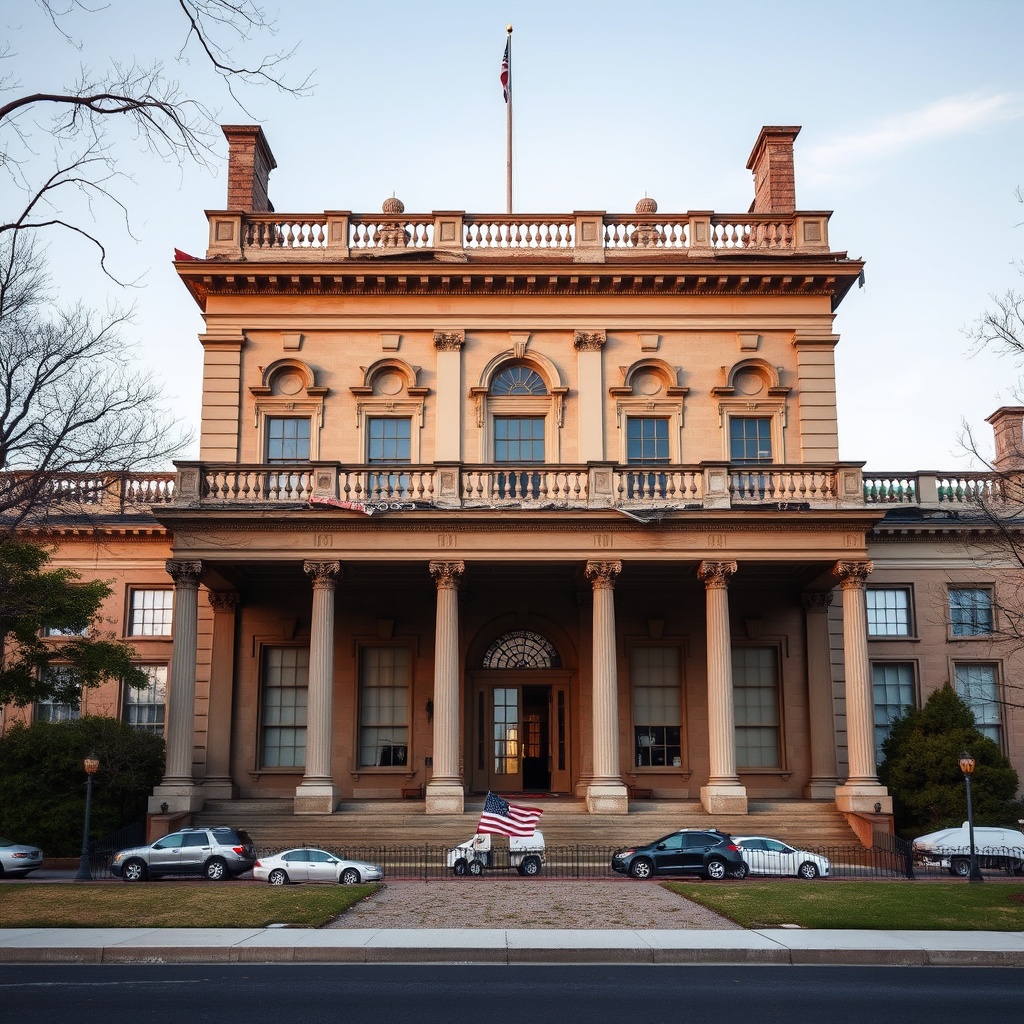
The East Wing of the White House has been a part of the building's landscape since 1942, when it was added to provide additional office space for the president's staff. Over the years, it has played host to numerous historic events, including press conferences, meetings with world leaders, and ceremonial functions. The East Wing is also home to the White House Visitors' Office, which welcomes millions of tourists and dignitaries each year. The wing's architectural style, designed by Eric Gugler, is a classic example of neoclassicism, with its symmetrical façade, columns, and ornate details. The East Wing has been designated as a historic landmark, recognizing its importance as a part of the White House complex.
The historic preservation group has argued that the demolition of the East Wing would not only erase a significant part of American history but also set a dangerous precedent for future development projects. They point to the fact that the White House is a national treasure, owned by the American people, and that any changes to its structure should be made with careful consideration and public input. The group has also expressed concerns about the potential impact on the surrounding neighborhood, which is home to many historic buildings and landmarks.
The Trump Administration's Plans
The Trump administration has proposed demolishing the East Wing to make way for a new ballroom, which would be used for state functions, receptions, and other events. The administration argues that the current space is inadequate for the needs of the White House and that a new ballroom would provide a more modern and functional space for official events. They also claim that the demolition would not significantly impact the historic character of the White House, as the East Wing is not a original part of the building.
However, critics argue that the proposed ballroom is a luxury item, not a necessity, and that the demolition of the East Wing would be a shortsighted decision that prioritizes the interests of the current administration over the long-term preservation of the White House. They also point out that the Trump administration has not provided sufficient transparency or public input into the planning process, which has raised concerns about the potential for cronyism and favoritism in the awarding of contracts and the selection of architects and designers.
The Preservation Group's Concerns
The historic preservation group has raised several concerns about the proposed demolition, including the potential loss of historic fabric, the impact on the surrounding neighborhood, and the lack of public input into the planning process. They argue that the East Wing is an integral part of the White House complex and that its demolition would be a significant loss for the nation's cultural heritage.
The group has also expressed concerns about the potential for the demolition to set a precedent for future development projects at the White House. They argue that the White House is a unique and irreplaceable resource, and that any changes to its structure should be made with careful consideration and public input. The group has called for a pause in the demolition plans, pending a thorough review of the proposal and a more transparent and inclusive planning process.
According to a recent survey, 75% of Americans believe that the White House is an important part of the country's history and culture, and that it should be preserved for future generations. The survey also found that 60% of Americans oppose the demolition of the East Wing, citing concerns about the potential loss of historic fabric and the impact on the surrounding neighborhood.
Case Studies and Examples
There are several examples of successful historic preservation projects at the White House, which demonstrate the importance of careful planning and public input. For example, the restoration of the West Wing in the 1960s, which was led by First Lady Jacqueline Kennedy, is widely regarded as a model for historic preservation. The project involved a thorough restoration of the wing's historic fabric, including the preservation of original woodwork, plaster, and other architectural elements.
Another example is the preservation of the White House's historic gardens, which have been maintained and restored over the years to reflect their original design and character. The gardens are an important part of the White House's cultural heritage, and their preservation has been made possible through the efforts of dedicated preservationists and horticulturists.
Statistics and Data
The demolition of the East Wing would not only have cultural and historical implications but also significant economic and environmental impacts. According to a study by the National Trust for Historic Preservation, the demolition of historic buildings can result in the loss of thousands of jobs, as well as significant economic benefits to local communities. The study found that historic preservation projects can generate up to $1.2 billion in economic benefits per year, while also creating thousands of jobs and stimulating local economic growth.
In terms of environmental impact, the demolition of the East Wing would result in significant amounts of waste and debris, as well as the loss of a historic building that has been maintained and restored over the years. According to the Environmental Protection Agency (EPA), the demolition of buildings can result in the generation of up to 100 million tons of waste per year, which can have significant environmental and health impacts.
Conclusion
The proposed demolition of the East Wing of the White House has sparked a heated debate about the importance of historic preservation and the role of the White House as a national treasure. While the Trump administration has pushed forward with plans for a new ballroom, historic preservation groups and critics have urged caution, citing the potential loss of historic fabric, the impact on the surrounding neighborhood, and the lack of public input into the planning process.
As the nation considers the future of the White House, it is essential to prioritize the preservation of its historic character and cultural significance. The White House is a unique and irreplaceable resource, and any changes to its structure should be made with careful consideration and public input. The preservation of the East Wing is not just a matter of preserving a historic building; it is also about preserving the history and culture of the United States.
In the end, the decision to demolish the East Wing will have far-reaching implications for the White House, the nation, and future generations. It is essential that the Trump administration and future administrations prioritize the preservation of the White House and its historic character, ensuring that this national treasure remains a symbol of American history and democracy for years to come. As the historic preservation group has urged, it is time to pause the demolition plans and engage in a more transparent and inclusive planning process, one that prioritizes the preservation of the White House and its historic character.

Leave a comment