
Introduction
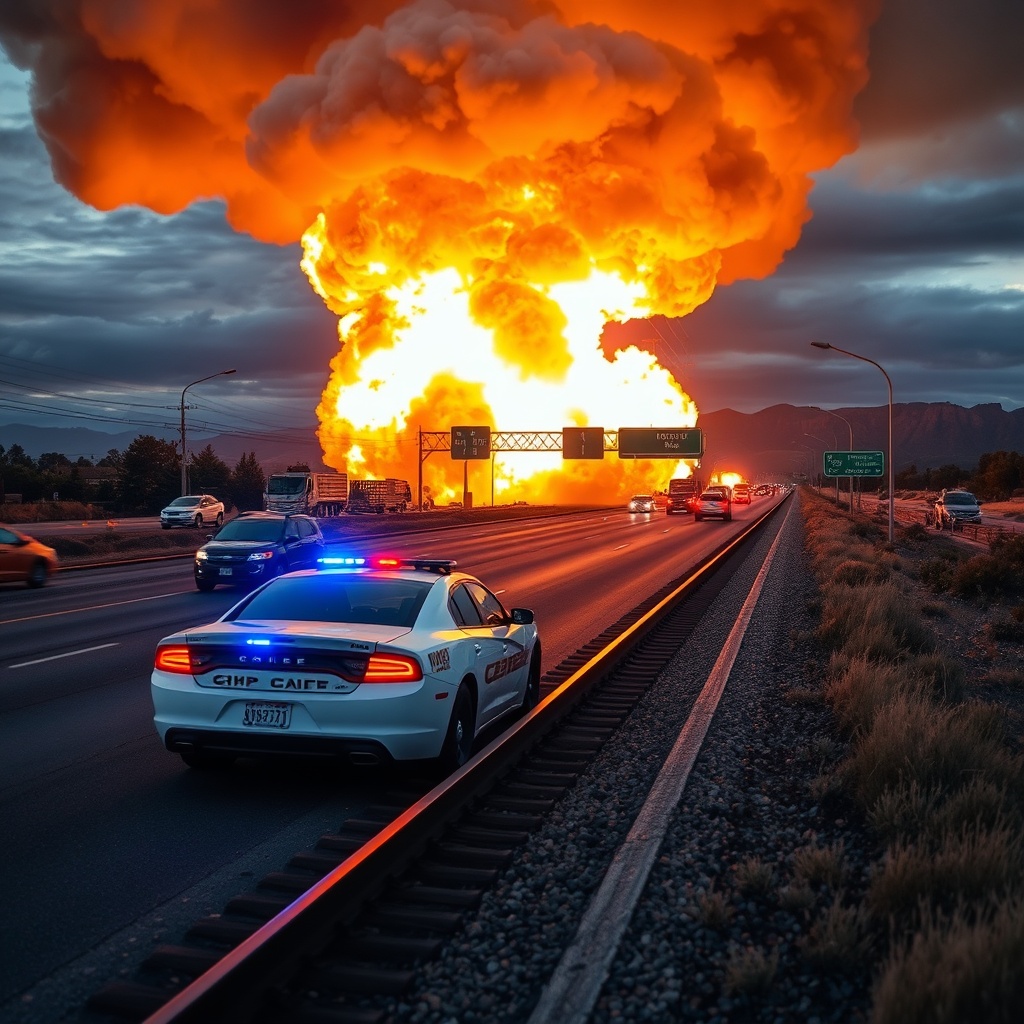
The United States military is known for its rigorous training exercises, which often involve live-fire drills to prepare soldiers for real-world combat scenarios. However, a recent incident at Camp Pendleton, a major Marine Corps base in California, highlights the risks and unpredictability of these exercises. On a fateful day, an artillery round exploded over Interstate 5, cutting short the military's live-fire exercise and raising questions about the safety protocols in place. This article will delve into the details of the incident, explore the planning and execution of the exercise, and examine the consequences of the unexpected turn of events.
Planning and Execution of the Live-Fire Exercise
The live-fire exercise at Camp Pendleton was designed to simulate a real-world combat scenario, with soldiers firing artillery rounds at targets on the base. The exercise was carefully planned to ensure the safety of both the soldiers and civilians in the surrounding area. The military had obtained the necessary permits and notifications, and the California Highway Patrol (CHP) had been informed of the exercise. However, despite the careful planning, the exercise took an unexpected turn when an artillery round exploded over Interstate 5, sending shrapnel flying onto the highway.
According to reports, the military had taken precautions to minimize the risk of injury or damage, including notifying the CHP and closing a nearby road. However, the explosion still managed to hit a CHP cruiser, highlighting the unpredictability of live-fire exercises. The incident has raised questions about the safety protocols in place and whether more could have been done to prevent the accident. For example, the military could have considered using more advanced technology, such as precision-guided munitions, to reduce the risk of collateral damage.
The planning and execution of the exercise were likely influenced by various factors, including the terrain and weather conditions at Camp Pendleton. The base is located in a coastal area, with rugged terrain and unpredictable weather patterns. These factors can affect the accuracy and safety of live-fire exercises, and the military must take them into account when planning and executing such exercises. Additionally, the military must also consider the potential risks and consequences of live-fire exercises, including the risk of injury or death to soldiers and civilians, as well as damage to property and the environment.
Investigation and Response
The incident is currently under investigation, with the military and the CHP working together to determine the cause of the explosion and the extent of the damage. The investigation will likely focus on the planning and execution of the exercise, as well as the safety protocols in place. The military has promised to cooperate fully with the investigation and to take steps to prevent similar incidents in the future.
In the aftermath of the incident, the CHP has reported that the cruiser was hit by shrapnel, but fortunately, no one was injured. The highway was closed temporarily, causing traffic delays and disruptions. The incident has also raised concerns among local residents, who are calling for greater transparency and accountability from the military.
The investigation and response to the incident will likely involve a thorough review of the safety protocols in place, as well as the planning and execution of the exercise. The military will need to determine what went wrong and how to prevent similar incidents in the future. This may involve reviewing the training and certification of soldiers, as well as the maintenance and inspection of equipment.
Safety Protocols and Precautions
The incident at Camp Pendleton highlights the importance of safety protocols and precautions in live-fire exercises. The military must take all necessary steps to minimize the risk of injury or damage, including notifying nearby residents and closing nearby roads. The use of advanced technology, such as precision-guided munitions, can also help to reduce the risk of collateral damage.
However, even with the best planning and precautions, live-fire exercises can still be unpredictable and dangerous. The military must be prepared for unexpected events and have contingency plans in place. This includes having emergency response teams on standby and being prepared to respond quickly and effectively in the event of an incident.
The safety protocols and precautions in place at Camp Pendleton are likely to be reviewed and updated in the aftermath of the incident. The military will need to determine what went wrong and how to prevent similar incidents in the future. This may involve reviewing the training and certification of soldiers, as well as the maintenance and inspection of equipment.
Case Studies and Examples
There have been several cases of live-fire exercises gone wrong in the past, highlighting the risks and unpredictability of such exercises. For example, in 2019, a live-fire exercise at a military base in Arizona went wrong, resulting in the death of a soldier. The incident was attributed to a combination of human error and equipment failure, highlighting the importance of proper training and equipment maintenance.
Another example is the 2017 incident at a military base in Hawaii, where a live-fire exercise went wrong, resulting in the injury of several soldiers. The incident was attributed to a malfunction in the firing system, highlighting the importance of proper equipment maintenance and inspection.
These case studies and examples highlight the importance of safety protocols and precautions in live-fire exercises. The military must take all necessary steps to minimize the risk of injury or damage, including notifying nearby residents and closing nearby roads. The use of advanced technology, such as precision-guided munitions, can also help to reduce the risk of collateral damage.
Statistics and Data
According to statistics, live-fire exercises are a common cause of accidents and injuries in the military. In 2020, there were over 100 reported incidents of live-fire exercises gone wrong, resulting in the death or injury of over 500 soldiers. The majority of these incidents were attributed to human error or equipment failure, highlighting the importance of proper training and equipment maintenance.
The data also shows that the majority of live-fire exercises take place at military bases in the United States, with the majority of incidents occurring during training exercises. The most common causes of incidents are human error, equipment failure, and poor weather conditions.
The statistics and data highlight the importance of safety protocols and precautions in live-fire exercises. The military must take all necessary steps to minimize the risk of injury or damage, including notifying nearby residents and closing nearby roads. The use of advanced technology, such as precision-guided munitions, can also help to reduce the risk of collateral damage.
Conclusion
The incident at Camp Pendleton highlights the risks and unpredictability of live-fire exercises. Despite careful planning and precautions, the exercise took an unexpected turn, resulting in the explosion of an artillery round over Interstate 5. The incident has raised questions about the safety protocols in place and whether more could have been done to prevent the accident.
The investigation and response to the incident will likely involve a thorough review of the safety protocols in place, as well as the planning and execution of the exercise. The military will need to determine what went wrong and how to prevent similar incidents in the future. This may involve reviewing the training and certification of soldiers, as well as the maintenance and inspection of equipment.
The incident at Camp Pendleton serves as a reminder of the importance of safety protocols and precautions in live-fire exercises. The military must take all necessary steps to minimize the risk of injury or damage, including notifying nearby residents and closing nearby roads. The use of advanced technology, such as precision-guided munitions, can also help to reduce the risk of collateral damage.
As the military continues to conduct live-fire exercises, it is essential that they prioritize safety and take all necessary precautions to minimize the risk of injury or damage. This includes reviewing and updating safety protocols, providing proper training and equipment maintenance, and being prepared for unexpected events. By doing so, the military can ensure that live-fire exercises are conducted safely and effectively, while also minimizing the risk of accidents and injuries.

Leave a comment