
Introduction
The ongoing conflict between Russia and Ukraine has led to a devastating winter for the people of Ukraine. With temperatures plummeting below -15C in January, the country is facing its most difficult winter in recent memory. Russia's attacks on Ukraine's energy infrastructure have left millions without access to basic necessities like heat, light, and water. However, what is often overlooked is the role that Soviet urban planning has played in exacerbating the situation. In this article, we will explore how the legacy of Soviet urban planning is helping Russia freeze Ukraine, and what this means for the future of the conflict.
The Legacy of Soviet Urban Planning
Soviet urban planning was characterized by a top-down approach, with a focus on grandiose projects and a disregard for individual needs and preferences. Cities were designed to be efficient and functional, with a emphasis on industry and production. This approach led to the creation of sprawling metropolises with poorly designed infrastructure, inadequate public services, and a lack of green spaces. The Soviet approach to urban planning was also deeply rooted in the idea of control and surveillance, with cities designed to be easily monitored and managed by the authorities.
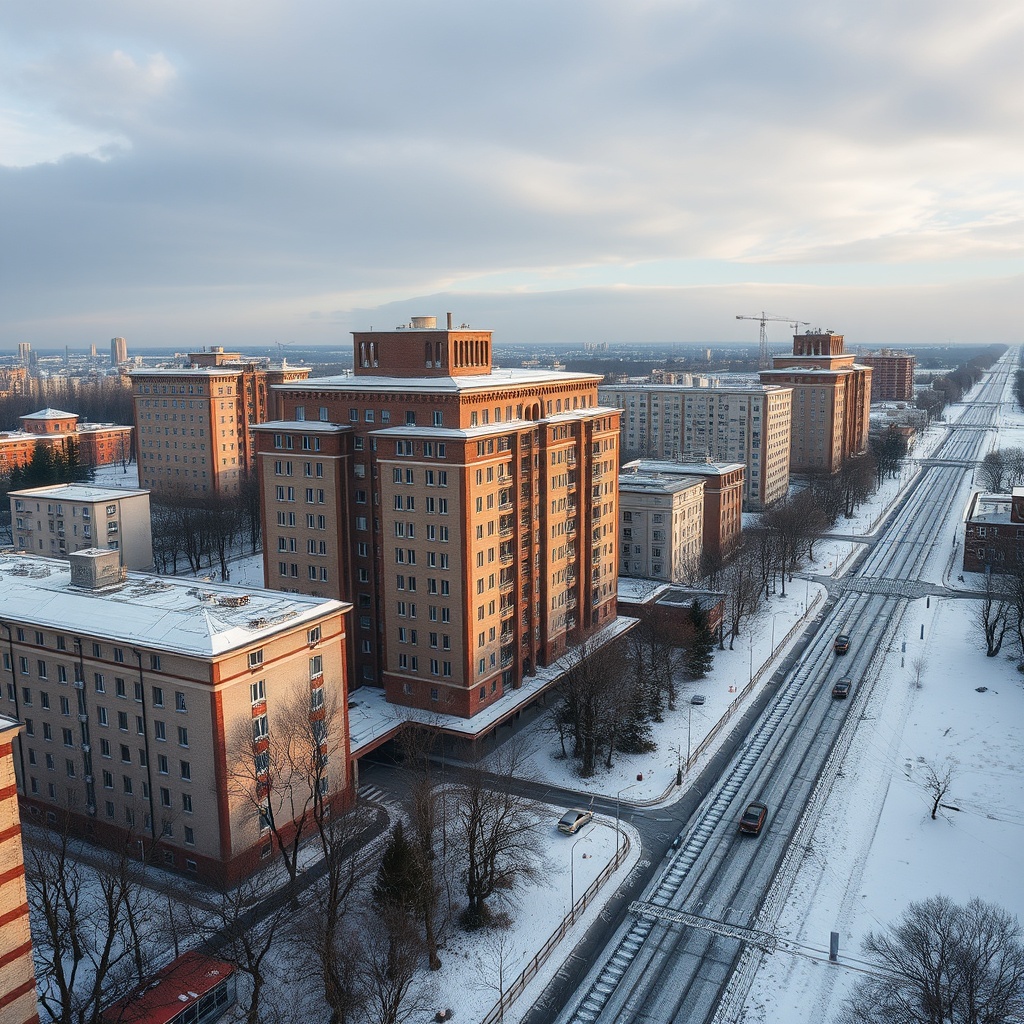
In Ukraine, the legacy of Soviet urban planning is still visible today. Many cities were built during the Soviet era, and their design reflects the priorities of the time. Wide, straight streets and avenues were built to facilitate the movement of troops and equipment, while residential areas were designed to be dense and easily controlled. This has created a number of challenges for Ukraine, including a lack of flexibility and adaptability in the face of changing circumstances.
For example, the city of Kyiv, Ukraine's capital, was designed to be a showcase of Soviet urban planning. The city's wide avenues and monumental buildings were intended to impress and intimidate, rather than to provide a comfortable and livable environment for residents. Today, Kyiv is struggling to cope with the demands of a modern city, with traffic congestion, air pollution, and a lack of green spaces all major concerns.
How Soviet Urban Planning is Helping Russia Freeze Ukraine
The legacy of Soviet urban planning is helping Russia freeze Ukraine in a number of ways. Firstly, the design of Ukrainian cities makes them vulnerable to attack. The wide streets and avenues that were built to facilitate the movement of troops and equipment also provide a clear path for Russian missiles and artillery. The lack of green spaces and natural barriers also makes it difficult for Ukrainian cities to defend themselves against attack.
Secondly, the Soviet approach to urban planning has created a number of single points of failure in Ukrainian cities. For example, many cities have a single, centralized heating system that provides warmth to the entire city. This makes it easy for Russian forces to target and disable the system, leaving millions without heat. Similarly, the lack of redundancy and backup systems in Ukrainian cities means that when one part of the infrastructure is damaged, the entire system can collapse.
Finally, the legacy of Soviet urban planning has also created a number of social and economic challenges for Ukraine. The lack of flexibility and adaptability in Ukrainian cities makes it difficult for them to respond to changing circumstances, such as the current conflict with Russia. The emphasis on industry and production has also created a number of environmental and health problems, including air and water pollution.
For example, the city of Donetsk, which is located in eastern Ukraine, was once a thriving industrial center. However, the city's emphasis on heavy industry has created a number of environmental and health problems, including high levels of air pollution and water contamination. Today, Donetsk is one of the most polluted cities in Ukraine, and its residents are paying the price.
The Human Cost of the Conflict
The human cost of the conflict in Ukraine is staggering. Millions of people have been left without access to basic necessities like heat, light, and water, and the country's healthcare system is on the brink of collapse. The lack of access to medical care, food, and other essential supplies has created a humanitarian crisis, with many people struggling to survive.
The psychological toll of the conflict is also significant. Many people have been forced to flee their homes and live in temporary accommodation, often in difficult and uncertain conditions. The constant bombardment and lack of security have created a sense of fear and uncertainty, making it difficult for people to plan for the future.
For example, the city of Kharkiv, which is located in northeastern Ukraine, has been heavily bombed by Russian forces. The city's residents have been forced to live in makeshift shelters and basements, often without access to basic necessities like food and water. The psychological toll of the conflict is evident, with many people suffering from anxiety, depression, and post-traumatic stress disorder (PTSD).
Conclusion
In conclusion, the legacy of Soviet urban planning is helping Russia freeze Ukraine by creating a number of vulnerabilities and challenges for the country. The design of Ukrainian cities, the lack of flexibility and adaptability, and the emphasis on industry and production have all contributed to the current crisis. The human cost of the conflict is staggering, with millions of people struggling to survive without access to basic necessities like heat, light, and water.
To move forward, Ukraine will need to address the legacy of Soviet urban planning and create more sustainable, resilient, and adaptable cities. This will require a fundamental transformation of the country's approach to urban planning, with a focus on creating livable, green, and connected cities that prioritize the needs of residents. It will also require significant investment in infrastructure, including renewable energy, green spaces, and public transportation.
Ultimately, the future of Ukraine depends on its ability to create a new vision for its cities, one that prioritizes the needs of residents and creates a more sustainable, resilient, and adaptable urban environment. By learning from the mistakes of the past and embracing a new approach to urban planning, Ukraine can build a brighter future for its citizens and create a more prosperous, peaceful, and sustainable country.

Leave a comment