
Introduction
A powerful winter storm has brought widespread devastation to the United States, leaving hundreds of thousands of people without power and resulting in at least 18 fatalities. The storm, which affected a vast area of the country, brought freezing rain and heavy snowfall, causing significant disruptions to daily life. As the nation struggles to recover from the aftermath of the storm, it is essential to examine the impact of the winter storm, the efforts being made to restore power, and the measures being taken to mitigate the effects of such storms in the future.
The Storm's Impact
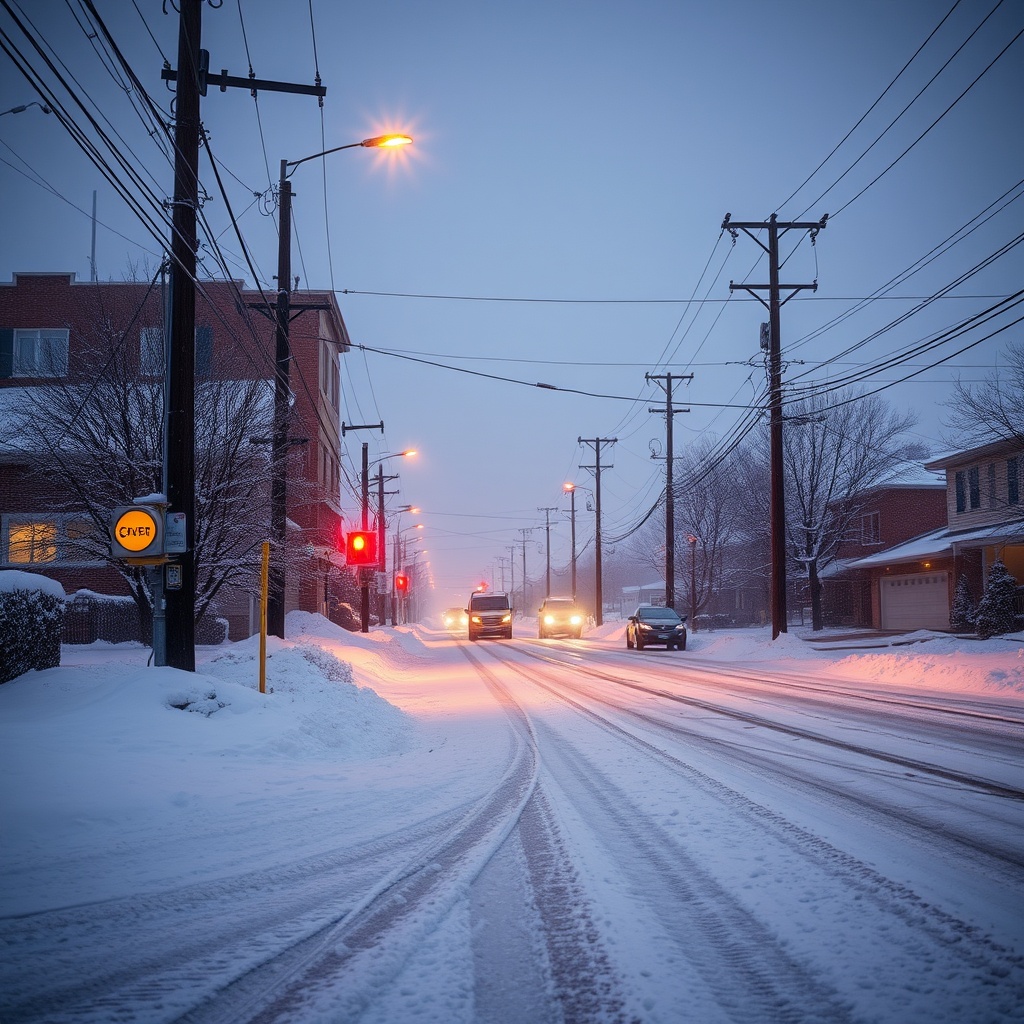
The winter storm, which swept across the country, brought with it heavy snowfall, freezing rain, and strong winds. The storm's impact was felt across multiple states, with some areas receiving over a foot of snow. The freezing rain, in particular, caused significant problems, as it weighed down power lines and tree branches, leading to widespread power outages. According to reports, hundreds of thousands of people were left without electricity, with some areas experiencing outages for several days. The lack of power not only made daily life difficult but also posed a significant risk to public health, particularly for vulnerable populations such as the elderly and young children.
The storm's impact was not limited to power outages. The heavy snowfall and freezing rain also made travel extremely hazardous, with many roads becoming impassable. Several major airports were forced to close, stranding thousands of travelers. The economic impact of the storm is also expected to be significant, with many businesses forced to close due to the lack of power and transportation disruptions. According to estimates, the storm's economic impact could be in the billions of dollars.
Restoration Efforts
Efforts to restore power are underway, with utility companies working around the clock to repair damaged power lines and restore electricity to affected areas. The process, however, is slow and laborious, with many areas expected to be without power for several more days. The Federal Emergency Management Agency (FEMA) has been deployed to assist with the relief efforts, providing support to affected communities and helping to coordinate the response efforts.
In addition to the restoration efforts, many communities have come together to support those affected by the storm. Neighbors are helping neighbors, and local organizations are providing food, shelter, and warmth to those in need. The response to the storm has been heartening, with many people showing remarkable resilience and community spirit in the face of adversity.
Mitigating the Effects of Future Storms
While the immediate focus is on restoring power and providing relief to affected communities, it is also essential to consider the long-term implications of the storm. The frequency and severity of winter storms are expected to increase in the coming years due to climate change, making it crucial to develop strategies to mitigate their effects. This can include investing in grid resilience, improving weather forecasting, and developing more effective emergency response plans.
One approach to mitigating the effects of future storms is to invest in grid resilience. This can involve upgrading power lines and other infrastructure to make them more resistant to extreme weather events. Additionally, investing in renewable energy sources, such as wind and solar power, can help reduce the reliance on traditional power plants and make the grid more resilient.
Another approach is to improve weather forecasting. Advances in technology have made it possible to predict weather events with greater accuracy, allowing for more effective emergency planning and response. By investing in weather forecasting infrastructure, it is possible to provide earlier warnings of potential storms, giving communities more time to prepare and respond.
Case Studies
There are several case studies that demonstrate the effectiveness of these approaches. For example, the city of Minneapolis has invested heavily in grid resilience, upgrading its power lines and other infrastructure to make them more resistant to extreme weather events. As a result, the city was able to withstand a severe winter storm in 2019 with minimal power outages.
Similarly, the state of California has made significant investments in renewable energy, with a goal of generating 100% of its electricity from renewable sources by 2045. This has not only reduced the state's reliance on traditional power plants but also made its grid more resilient to extreme weather events.
Statistics
The statistics related to the winter storm are staggering. According to reports, over 500,000 people were left without power, with some areas experiencing outages for over 72 hours. The economic impact of the storm is expected to be significant, with estimates suggesting that it could be in the billions of dollars. The storm also resulted in at least 18 fatalities, with many more injured.
In terms of the response efforts, over 10,000 workers were deployed to assist with the relief efforts, with many more volunteers helping to support affected communities. The Federal Emergency Management Agency (FEMA) has provided significant support, with millions of dollars in aid being allocated to affected areas.
Examples
There are many examples of communities coming together to support those affected by the storm. In one instance, a local church opened its doors to provide shelter and warmth to those without power. In another, a group of neighbors came together to clear snow and ice from the streets, allowing emergency services to reach affected areas.
These examples demonstrate the remarkable resilience and community spirit that exists in the face of adversity. They also highlight the importance of community-based initiatives in supporting those affected by extreme weather events.
Conclusion
The powerful winter storm that swept across the United States has had a devastating impact, leaving hundreds of thousands of people without power and resulting in at least 18 fatalities. While the immediate focus is on restoring power and providing relief to affected communities, it is also essential to consider the long-term implications of the storm. By investing in grid resilience, improving weather forecasting, and developing more effective emergency response plans, it is possible to mitigate the effects of future storms. As the nation recovers from the aftermath of the storm, it is crucial to learn from the experience and develop strategies to build a more resilient and sustainable future.

Leave a comment