
Introduction
The United States Immigration and Customs Enforcement (ICE) has unveiled a plan to expand its detention center capacity by converting warehouses into detention facilities, with an estimated budget of $38.3 billion. This move is part of the Trump administration's broader effort to overhaul the country's immigration system, which has been a subject of controversy and debate. The plan aims to increase the agency's detention capacity, allowing it to hold more individuals who are awaiting immigration proceedings or deportation. In this article, we will delve into the details of the plan, its potential implications, and the concerns surrounding the use of warehouses as detention centers.
The Expansion Plan
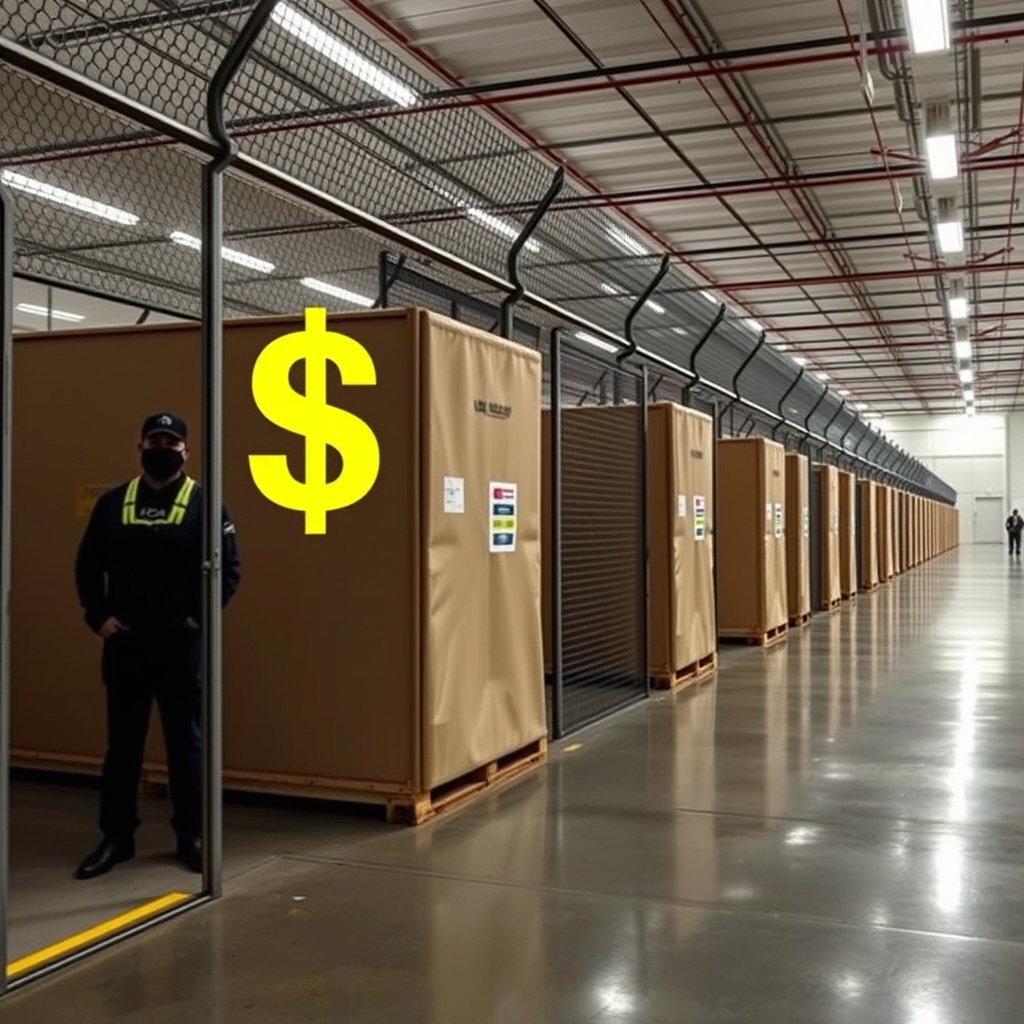
The documents released by ICE provide a comprehensive overview of the agency's plan to expand its detention center capacity. The plan involves converting existing warehouses into detention facilities, which will be equipped with basic amenities such as beds, toilets, and medical facilities. The warehouses will be renovated to meet the needs of the detainees, with the installation of security cameras, fencing, and other security measures. The plan also includes the construction of new facilities, which will be designed specifically for detention purposes.
The expansion plan is expected to increase ICE's detention capacity by over 50%, allowing the agency to hold up to 200,000 individuals at any given time. The new facilities will be located in various parts of the country, with a focus on areas with high immigration activity. The plan also includes the provision of additional services, such as medical care, food, and recreational activities, to ensure that detainees are treated humanely and with dignity.
However, the plan has been met with criticism from immigrant advocacy groups, who argue that the use of warehouses as detention centers is inhumane and violates the rights of detainees. They argue that the facilities are not designed for human habitation and lack the necessary amenities and services to support the health and well-being of detainees. Additionally, the plan has raised concerns about the potential for overcrowding, poor living conditions, and inadequate access to medical care.
Cost and Funding
The estimated cost of the expansion plan is $38.3 billion, which will be funded through a combination of government appropriations and private contractors. The plan includes a mix of federal funding and private investment, with the government providing the majority of the funding. The cost of the plan has been criticized by some lawmakers, who argue that it is excessive and could be better spent on other priorities, such as border security and immigration reform.
The funding for the plan will be allocated over several years, with the majority of the funding being provided in the first few years. The plan includes a phased approach, with the construction of new facilities and the renovation of existing warehouses taking place over several years. The funding will also be used to hire additional staff, including detention officers, medical personnel, and support staff.
However, the funding for the plan is not without controversy. Some lawmakers have expressed concerns about the use of private contractors, who will be responsible for managing and operating the detention facilities. They argue that the use of private contractors can lead to a lack of accountability and transparency, and can result in poor living conditions and inadequate services for detainees.
Implications and Concerns
The plan to convert warehouses into detention centers has raised a number of concerns and implications. One of the main concerns is the potential for overcrowding and poor living conditions. The use of warehouses as detention centers can lead to a lack of space and amenities, which can result in poor health and well-being outcomes for detainees. Additionally, the plan has raised concerns about the potential for human rights abuses, including the use of solitary confinement and the lack of access to medical care.
Another concern is the impact on local communities. The construction of new detention facilities can have a significant impact on local economies and communities, with the potential for job creation and economic growth. However, the plan has also raised concerns about the potential for negative impacts, such as increased traffic and noise pollution.
The plan has also raised concerns about the treatment of detainees. The use of warehouses as detention centers can lead to a lack of dignity and respect for detainees, who may be subjected to poor living conditions and inadequate services. Additionally, the plan has raised concerns about the potential for human rights abuses, including the use of solitary confinement and the lack of access to medical care.
Case Studies and Examples
There are several examples of the use of warehouses as detention centers, both in the United States and abroad. One example is the use of a former warehouse in Texas as a detention center for migrant families. The facility, which was operated by a private contractor, was criticized for its poor living conditions and lack of amenities. The facility was eventually shut down due to concerns about the health and well-being of detainees.
Another example is the use of a warehouse in Australia as a detention center for asylum seekers. The facility, which was operated by a private contractor, was criticized for its poor living conditions and lack of amenities. The facility was eventually shut down due to concerns about the health and well-being of detainees.
These examples highlight the potential risks and challenges associated with the use of warehouses as detention centers. They also highlight the need for careful planning and consideration of the potential impacts on detainees and local communities.
Conclusion
The plan to convert warehouses into detention centers is a complex and controversial issue, with significant implications for the treatment and well-being of detainees. While the plan aims to increase ICE's detention capacity and provide additional services to detainees, it has raised concerns about the potential for overcrowding, poor living conditions, and human rights abuses. The plan has also raised concerns about the cost and funding, with the estimated budget of $38.3 billion being criticized by some lawmakers.
As the plan moves forward, it is essential to consider the potential implications and concerns. This includes ensuring that the facilities are designed and operated with the dignity and respect of detainees in mind, and that they provide adequate amenities and services to support the health and well-being of detainees. It also includes ensuring that the plan is transparent and accountable, with regular monitoring and evaluation to ensure that it is meeting its intended goals.
Ultimately, the plan to convert warehouses into detention centers is a complex and challenging issue, with significant implications for the treatment and well-being of detainees. While it is essential to ensure that the plan is implemented in a way that is humane and respectful, it is also essential to consider the broader context and the need for comprehensive immigration reform. By working together to address the root causes of migration and to provide a fair and humane system for processing and detaining migrants, we can create a more just and equitable system for all.

Leave a comment