
Introduction
The process of redistricting, which involves the redrawing of electoral district boundaries, is a crucial aspect of the democratic system in the United States. It is typically conducted every ten years, following the release of new census data, to ensure that each district has roughly the same population and to reflect changes in the demographic makeup of the country. Recently, however, there have been efforts by some politicians, including former President Donald Trump, to push for mid-decade redistricting, which would allow for the redrawing of district boundaries outside of the traditional ten-year cycle. One state that has been at the center of this debate is Indiana, where the GOP state Senate leader has indicated that the state is unlikely to push forward with redistricting despite pressure from the White House. In this article, we will explore the issue of mid-decade redistricting in Indiana, the arguments for and against it, and the potential implications of the state's decision.
Background on Redistricting
Redistricting is a complex and often contentious process that involves the use of census data to redraw electoral district boundaries. The goal of redistricting is to ensure that each district has roughly the same population, which helps to prevent unequal representation and ensures that each citizen has an equal voice in the democratic process. Redistricting is typically conducted by state legislatures, although some states have independent commissions or other mechanisms for drawing district boundaries. The process of redistricting can be highly partisan, with different political parties often having competing interests and agendas. In recent years, there have been numerous high-profile cases of gerrymandering, which involves the manipulation of district boundaries for partisan gain.
The Debate Over Mid-Decade Redistricting
The debate over mid-decade redistricting is a contentious one, with proponents arguing that it is necessary to ensure that district boundaries reflect changes in the demographic makeup of the country. They argue that the traditional ten-year cycle for redistricting is too long, and that it can lead to districts that are no longer representative of the people who live in them. Opponents of mid-decade redistricting, on the other hand, argue that it is an attempt to manipulate the electoral system for partisan gain. They argue that the process of redistricting is already highly partisan, and that allowing for mid-decade redistricting would only exacerbate the problem. Furthermore, opponents argue that mid-decade redistricting would be expensive and time-consuming, and that it would disrupt the electoral process.
The Situation in Indiana
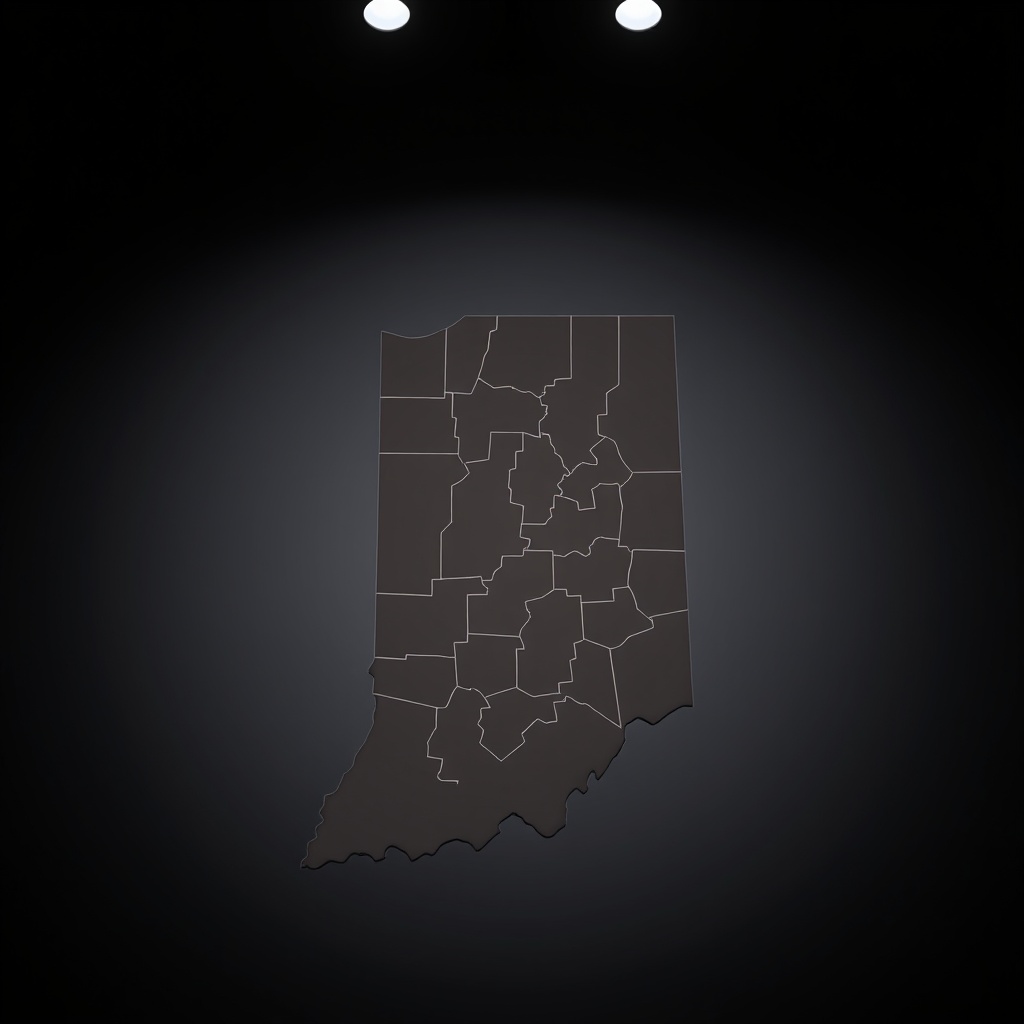
In Indiana, the debate over mid-decade redistricting has been particularly contentious. The state's GOP state Senate leader has indicated that the state is unlikely to push forward with redistricting, despite pressure from the White House. This decision is seen as a major setback for former President Trump's effort to force mid-decade redistricting. The decision is also seen as a victory for opponents of mid-decade redistricting, who argue that it is an attempt to manipulate the electoral system for partisan gain. In Indiana, the process of redistricting is controlled by the state legislature, which is currently dominated by Republicans. The state's congressional delegation is also predominantly Republican, which has led to accusations of gerrymandering and partisan manipulation of the electoral system.
Implications of the Decision
The decision by Indiana's GOP state Senate leader not to push forward with mid-decade redistricting has significant implications for the state and the country as a whole. It suggests that the effort to force mid-decade redistricting is unlikely to succeed, at least in the short term. It also suggests that the traditional ten-year cycle for redistricting is likely to remain in place, which could help to reduce the partisan manipulation of the electoral system. However, the decision also highlights the ongoing debate over redistricting and the need for reform. Many advocates argue that the current system of redistricting is broken and that it needs to be reformed to prevent gerrymandering and partisan manipulation. They argue that independent commissions or other mechanisms for drawing district boundaries could help to reduce the partisan nature of the process and ensure that district boundaries are drawn in a fair and representative manner.
Case Studies and Statistics
There are several case studies and statistics that highlight the importance of redistricting and the need for reform. For example, a study by the Brennan Center for Justice found that partisan gerrymandering has resulted in a significant distortion of the electoral system, with some districts being drawn in a way that is highly favorable to one party or the other. The study found that this has resulted in a lack of competitiveness in many districts, which can lead to a lack of accountability and a decrease in voter turnout. Another study by the Princeton University Gerrymandering Project found that the use of independent commissions to draw district boundaries can help to reduce the partisan nature of the process and ensure that district boundaries are drawn in a fair and representative manner. The study found that states that use independent commissions to draw district boundaries tend to have more competitive districts and higher levels of voter turnout.
Conclusion
In conclusion, the debate over mid-decade redistricting in Indiana is a complex and contentious one, with proponents arguing that it is necessary to ensure that district boundaries reflect changes in the demographic makeup of the country, and opponents arguing that it is an attempt to manipulate the electoral system for partisan gain. The decision by Indiana's GOP state Senate leader not to push forward with mid-decade redistricting is seen as a major setback for former President Trump's effort to force mid-decade redistricting, and it highlights the ongoing debate over redistricting and the need for reform. As the country continues to grapple with the issue of redistricting, it is clear that there is a need for a more fair and representative system, one that ensures that each citizen has an equal voice in the democratic process. This can be achieved through the use of independent commissions or other mechanisms for drawing district boundaries, and by reducing the partisan nature of the process. Ultimately, the goal of redistricting should be to ensure that each district is representative of the people who live in it, and that each citizen has an equal opportunity to participate in the democratic process.

Leave a comment