
Introduction
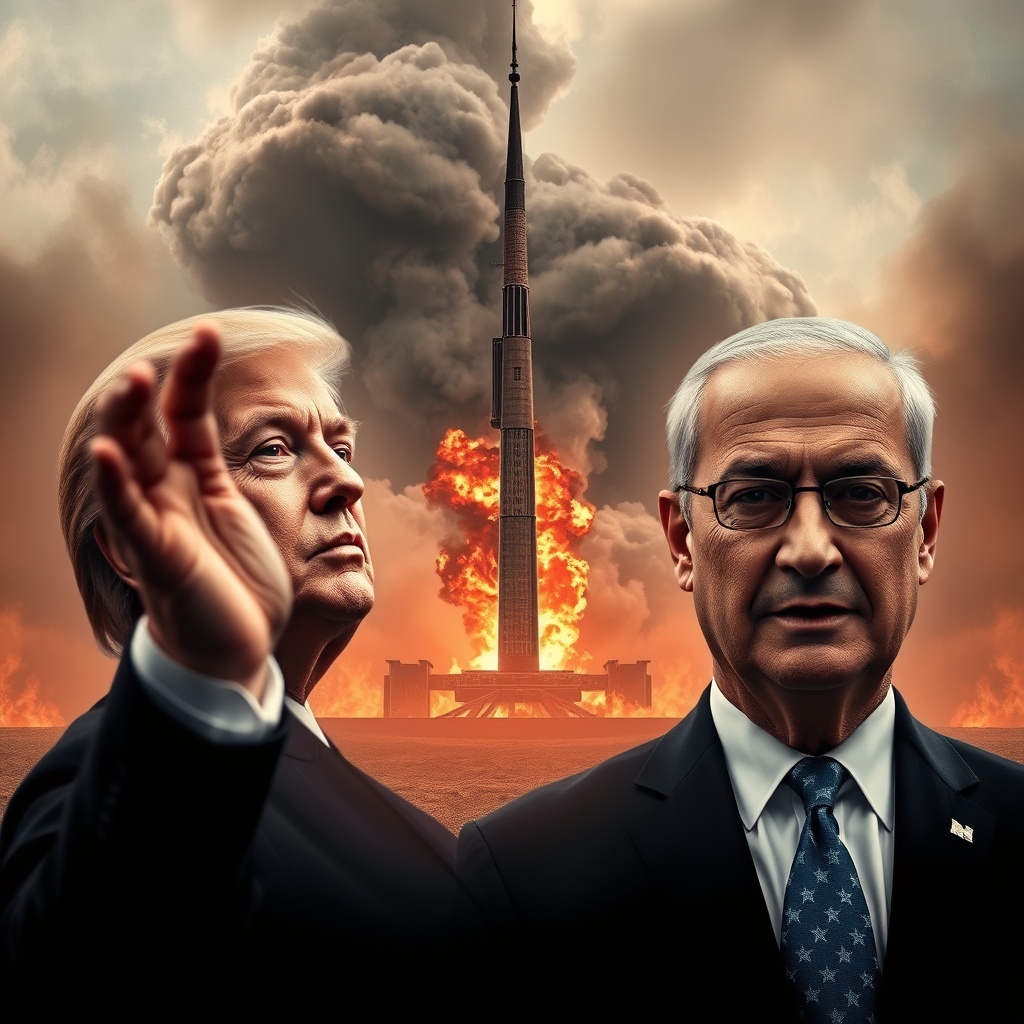
The Middle East has been embroiled in a fresh wave of violence as Iran continues to retaliate against US-Israeli strikes, with the latest incidents involving Iranian drones hitting the US embassy in Riyadh and Israel bombing Tehran. The escalation of tensions between Iran, the US, and Israel has raised concerns about the potential for a broader conflict in the region. As the situation continues to unfold, the international community is watching with bated breath, wondering what the next move will be and how the conflict will be resolved. In this article, we will delve into the details of the recent strikes, the motivations behind them, and the potential consequences for the region and the world at large.
The Recent Strikes: A Cycle of Retaliation
The latest round of violence began when Israel launched airstrikes against Iranian targets in Tehran, reportedly in response to Iranian aggression in the region. Iran quickly retaliated by launching drones at the US embassy in Riyadh, Saudi Arabia, in a bold and unprecedented move. The attack on the embassy marked a significant escalation of the conflict, as it directly targeted a key US diplomatic outpost in the region. The US has been a long-time ally of Saudi Arabia, and the attack on its embassy is likely to be seen as a direct challenge to American interests in the region.
The Israeli military also sent troops into southern Lebanon, a region that has been a flashpoint for conflict between Israel and Iran-backed militant groups. The move is seen as an attempt by Israel to assert its dominance in the region and to prevent Iranian-backed groups from launching attacks against Israeli targets. However, the move has also raised concerns about the potential for a broader conflict in the region, as it has been met with resistance from Iranian-backed militant groups.
The Motivations Behind the Strikes: A Complex Web of Interests
The motivations behind the recent strikes are complex and multifaceted. Iran has long been a rival of Israel and the US in the region, and has been seeking to assert its influence through a network of proxy forces and militant groups. The recent strikes are seen as an attempt by Iran to demonstrate its military capabilities and to deter its enemies from launching further attacks.
For its part, Israel has been seeking to prevent Iran from establishing a permanent military presence in Syria and Lebanon, which it sees as a threat to its national security. The Israeli military has been launching airstrikes against Iranian targets in the region, in an attempt to disrupt Iranian supply lines and to prevent the transfer of advanced weapons to Iranian-backed militant groups.
The US has also been playing a role in the conflict, providing military support to Israel and Saudi Arabia in their efforts to counter Iranian influence in the region. The US has been seeking to contain Iranian expansionism and to prevent Iran from developing nuclear weapons, which it sees as a threat to regional stability and global security.
The Potential Consequences: A Region on the Brink of War
The recent strikes have raised concerns about the potential for a broader conflict in the region, as the situation continues to escalate. The conflict has already had significant humanitarian consequences, with thousands of civilians displaced and injured in the fighting. The conflict has also had significant economic consequences, with oil prices rising and trade disrupted in the region.
The international community is watching the situation with concern, as the conflict has the potential to draw in other countries and to destabilize the entire region. The US, Israel, and Saudi Arabia are all major players in the conflict, and their actions will be closely watched in the coming days and weeks.
In the worst-case scenario, the conflict could escalate into a full-scale war, with devastating consequences for the region and the world at large. The conflict could also have significant geopolitical consequences, as it could lead to a realignment of alliances and a shift in the balance of power in the region.
Conclusion
The recent strikes between Iran, the US, and Israel have marked a significant escalation of the conflict in the Middle East, with the potential for a broader war looming large. The motivations behind the strikes are complex and multifaceted, involving a complex web of interests and alliances. The potential consequences of the conflict are significant, with humanitarian, economic, and geopolitical implications that could be felt for years to come.
As the situation continues to unfold, the international community will be watching with bated breath, wondering what the next move will be and how the conflict will be resolved. The US, Israel, and Saudi Arabia will all play key roles in determining the outcome of the conflict, and their actions will be closely watched in the coming days and weeks.
In the end, the conflict in the Middle East is a complex and multifaceted issue, with no easy solutions or quick fixes. The international community will need to work together to find a peaceful resolution to the conflict, one that takes into account the interests and concerns of all parties involved. The alternative is a devastating war that could have far-reaching consequences for the region and the world at large. As Trump has said, it may be too late to talk, but it is never too late to try to find a peaceful solution to the conflict, and to work towards a more stable and secure future for all.

Leave a comment