
Introduction
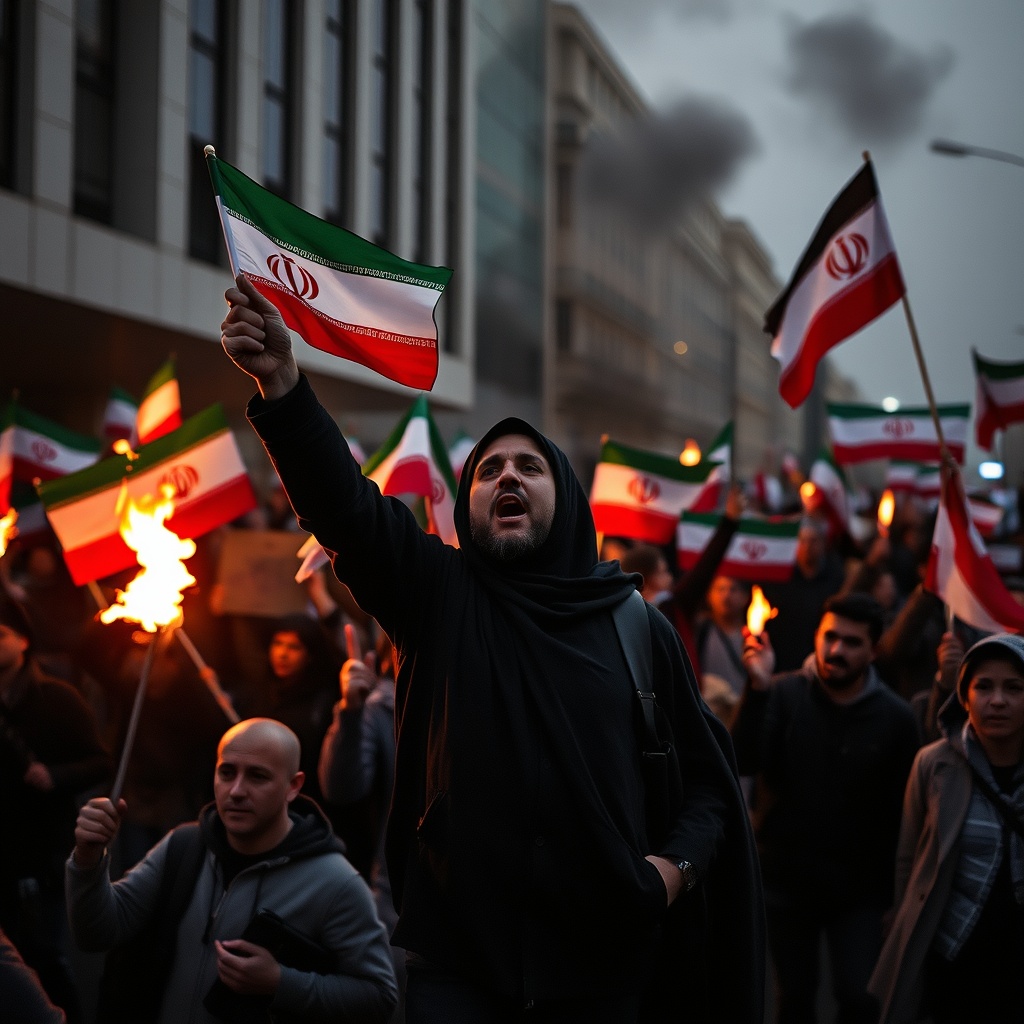
The recent Iranian protests, which began in response to the country's economic woes, have quickly spread across the nation, engulfing various segments of society. The demonstrations, triggered by a collapse in Iran's currency, started with shopkeepers and phone vendors before drawing in students, workers, and others. This article will delve into the underlying causes of the protests, their spread, and the potential implications for the country's future. With the Iranian rial hitting record lows, the economy is facing significant challenges, and the protests are a testament to the frustration and desperation of the Iranian people.
Economic Woes: The Spark that Ignited the Protests
The Iranian economy has been struggling for years, with high inflation, unemployment, and a significant decline in the value of the rial. The country's economy is heavily dependent on oil exports, and the decline in global oil prices has had a devastating impact on the nation's finances. The rial has lost significant value against the US dollar, making imports more expensive and exacerbating the economic hardship faced by ordinary Iranians. According to a report by the International Monetary Fund (IMF), Iran's economy contracted by 4.8% in 2022, with inflation reaching a staggering 40%. The economic woes have had a disproportionate impact on the most vulnerable segments of society, including the poor and the middle class.
The collapse of the rial has made it difficult for businesses to operate, with many shopkeepers and vendors struggling to stay afloat. The protests, which began in the capital city of Tehran, quickly spread to other parts of the country, including Mashhad, Isfahan, and Shiraz. The demonstrations have been marked by chants of "Death to the dictator" and "We don't want an Islamic Republic," highlighting the deep-seated frustration and anger among the population. For example, in the city of Mashhad, protesters clashed with security forces, resulting in several injuries and arrests. The protests have also been marked by a significant presence of women, who have been at the forefront of the demonstrations, demanding greater freedoms and equality.
The Role of Social Media and Online Activism
Social media has played a significant role in the spread of the protests, with many Iranians using platforms such as Twitter, Instagram, and Telegram to organize and coordinate their efforts. The use of social media has allowed protesters to bypass traditional media outlets, which are heavily controlled by the government, and to reach a wider audience. Online activism has also enabled protesters to share their experiences, photos, and videos, providing a glimpse into the reality of the protests and the brutality of the government's response. According to a report by the Center for Human Rights in Iran, social media platforms have been used to coordinate protests, share information, and provide support to those affected by the government's crackdown.
However, the government has responded by imposing strict controls on social media, including blocking access to certain platforms and arresting online activists. The authorities have also been accused of using social media to spread disinformation and propaganda, in an effort to discredit the protesters and undermine their movement. For instance, the government has been accused of creating fake social media accounts to spread false information and to infiltrate protest groups. Despite these challenges, social media remains a crucial tool for protesters, allowing them to mobilize support, share their message, and bring attention to their cause.
Government Response and International Implications
The Iranian government has responded to the protests with force, deploying security forces to quell the demonstrations and arresting hundreds of protesters. The authorities have also imposed strict controls on the media, banning foreign journalists from reporting on the protests and restricting access to information. The government has accused foreign powers, including the United States and Israel, of instigating the protests and has vowed to take decisive action against those involved. According to a statement by the Iranian Foreign Ministry, the government will "not hesitate to take firm and decisive action against those who seek to destabilize the country."
The international community has been watching the situation in Iran with concern, with many governments and human rights organizations condemning the government's response to the protests. The United States, in particular, has been vocal in its support for the protesters, with President Biden stating that "the Iranian people have the right to peaceful assembly and free speech." The European Union has also expressed concern, with the EU's foreign policy chief, Josep Borrell, calling for "restraint and calm" and urging the Iranian government to respect the rights of its citizens. The protests have also sparked a heated debate about the role of the international community in supporting democratic movements and promoting human rights.
The implications of the protests are far-reaching, with potential consequences for the country's political and economic future. The protests have highlighted the deep-seated discontent among the Iranian people, who are demanding greater freedoms, economic opportunities, and an end to corruption. The government's response to the protests will be crucial in determining the trajectory of the country, with a brutal crackdown likely to exacerbate the situation and lead to further instability. According to a report by the Brookings Institution, the protests have the potential to lead to significant changes in the country's political landscape, including the potential for regime change.
Conclusion
The Iranian protests, sparked by economic woes, have quickly spread across the country, engulfing various segments of society. The demonstrations, which began with shopkeepers and phone vendors, have drawn in students, workers, and others, highlighting the deep-seated frustration and desperation of the Iranian people. The government's response to the protests will be crucial in determining the trajectory of the country, with a brutal crackdown likely to exacerbate the situation and lead to further instability. As the situation continues to unfold, the international community will be watching with concern, with many governments and human rights organizations calling for restraint and respect for human rights. The protests have also sparked a heated debate about the role of the international community in supporting democratic movements and promoting human rights. Ultimately, the future of Iran hangs in the balance, with the outcome of the protests likely to have significant implications for the country's political, economic, and social future.
In the long term, the Iranian government will need to address the underlying economic and social issues that have led to the protests. This will require significant reforms, including measures to address corruption, promote economic growth, and improve living standards. The government will also need to engage in a dialogue with the opposition and civil society, in order to find a peaceful and sustainable solution to the crisis. The international community can play a supportive role in this process, by providing economic assistance, promoting human rights, and encouraging democratic reforms. However, the ultimate solution to the crisis will depend on the ability of the Iranian government and people to find a way forward, one that addresses the legitimate concerns and aspirations of all segments of society.

Leave a comment