
Introduction
The recent sinking of an Iranian warship by a U.S. submarine near Sri Lanka has sent shockwaves around the world, raising concerns about the escalating tensions between the United States and Iran. The incident occurred while the Iranian warship was sailing home from India, where it had participated in a naval exhibition. This article will delve into the details of the incident, exploring the events leading up to the sinking, the implications of the attack, and the potential consequences for the region.
Background: Iran-India Naval Exercises
The Iranian warship that was sunk by the U.S. submarine had participated in naval exercises hosted by India, a significant development in the growing maritime cooperation between the two nations. The exercises, which took place in the Indian Ocean, aimed to strengthen the bilateral relationship between Iran and India, with a focus on enhancing maritime security and cooperation. The participation of the Iranian warship in these exercises highlights the increasing importance of the Indian Ocean as a strategic trade route and the efforts of regional nations to enhance their maritime capabilities.
The naval exercises between Iran and India are part of a broader effort by the two nations to strengthen their economic and strategic ties. India, which is the second-largest importer of Iranian oil, has been seeking to expand its trade and investment ties with Iran, particularly in the energy sector. The two nations have also been cooperating on regional security issues, including counter-terrorism and piracy. The sinking of the Iranian warship, however, has raised concerns about the potential impact on these burgeoning ties.
The Sinking of the Iranian Warship
The Iranian warship was sunk by a U.S. submarine near Sri Lanka, while it was sailing home from the naval exhibition in India. The incident occurred in international waters, and the circumstances surrounding the sinking are still unclear. The U.S. has not officially commented on the incident, and Iran has condemned the attack, calling it a "cowardly act" that violates international law.
The sinking of the Iranian warship has significant implications for the region, particularly in terms of the escalating tensions between the United States and Iran. The incident has raised concerns about the potential for further conflict in the region, particularly in the strategic Strait of Hormuz, through which a significant portion of the world's oil passes. The incident has also highlighted the importance of maritime security in the region, with many nations relying on the Indian Ocean for trade and commerce.
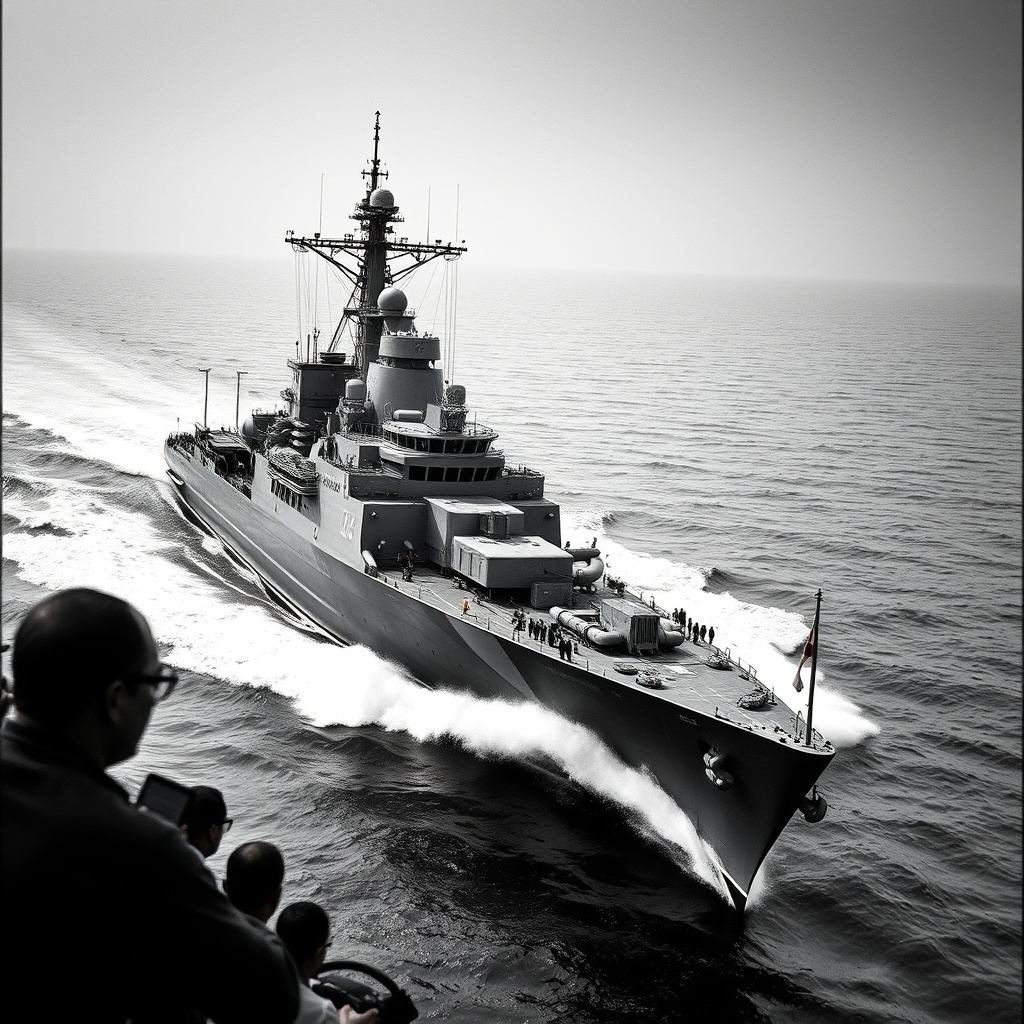
According to reports, the Iranian warship was a relatively modern vessel, equipped with advanced radar and missile systems. The ship had been participating in the naval exercises in India, where it had been showcasing its capabilities to the international community. The sinking of the ship has been seen as a significant blow to Iran's naval capabilities, and has raised concerns about the potential for further attacks on Iranian vessels.
International Reactions and Implications
The sinking of the Iranian warship has sparked a range of international reactions, with many nations condemning the attack and calling for restraint. The United Nations has issued a statement calling for calm and urging all parties to avoid further escalation. The European Union has also condemned the attack, calling it a "serious incident" that undermines regional stability.
The incident has significant implications for the region, particularly in terms of the ongoing tensions between the United States and Iran. The sinking of the Iranian warship has raised concerns about the potential for further conflict, particularly in the strategic Strait of Hormuz. The incident has also highlighted the importance of maritime security in the region, with many nations relying on the Indian Ocean for trade and commerce.
According to a report by the International Maritime Organization (IMO), the Indian Ocean is one of the busiest shipping lanes in the world, with over 100,000 vessels passing through the region every year. The sinking of the Iranian warship has raised concerns about the potential for further attacks on commercial vessels, which could have significant implications for global trade and commerce.
In terms of statistics, the Indian Ocean accounts for over 50% of the world's container shipping, with the Strait of Hormuz being a critical chokepoint. The region is also home to several major ports, including the Port of Singapore, the Port of Mumbai, and the Port of Dubai. The sinking of the Iranian warship has raised concerns about the potential for further disruptions to trade in the region, which could have significant economic implications.
Case Study: The Impact on Regional Trade
The sinking of the Iranian warship has significant implications for regional trade, particularly in terms of the potential for further disruptions to shipping lanes. The Indian Ocean is a critical trade route, with many nations relying on the region for the transportation of goods. The incident has raised concerns about the potential for further attacks on commercial vessels, which could have significant implications for global trade and commerce.
For example, the Port of Singapore, which is one of the busiest ports in the world, relies heavily on the Indian Ocean for trade. The port handles over 30 million containers every year, with the majority of these containers being transported through the Indian Ocean. The sinking of the Iranian warship has raised concerns about the potential for further disruptions to trade in the region, which could have significant economic implications for Singapore and other nations that rely on the Indian Ocean for trade.
In addition, the incident has also raised concerns about the potential for further conflict in the region, particularly in the strategic Strait of Hormuz. The strait is a critical chokepoint, with over 20% of the world's oil passing through the region every year. The sinking of the Iranian warship has raised concerns about the potential for further attacks on oil tankers, which could have significant implications for global energy markets.
Conclusion
The sinking of the Iranian warship by a U.S. submarine near Sri Lanka has significant implications for the region, particularly in terms of the escalating tensions between the United States and Iran. The incident has raised concerns about the potential for further conflict in the region, particularly in the strategic Strait of Hormuz. The incident has also highlighted the importance of maritime security in the region, with many nations relying on the Indian Ocean for trade and commerce.
As the situation continues to unfold, it is essential for all parties to exercise restraint and avoid further escalation. The international community must come together to condemn the attack and call for calm, while also working to address the underlying issues that led to the incident. The sinking of the Iranian warship is a reminder of the importance of diplomacy and dialogue in preventing conflict and promoting regional stability.
In the future, it is essential for nations to work together to enhance maritime security in the region, particularly in the Indian Ocean. This can be achieved through a range of measures, including increased cooperation on counter-terrorism and piracy, enhanced surveillance and monitoring of shipping lanes, and the development of regional frameworks for conflict prevention and resolution. By working together, nations can promote regional stability and prevent further incidents like the sinking of the Iranian warship.
Ultimately, the sinking of the Iranian warship is a reminder of the complexities and challenges of international relations, particularly in regions with significant strategic and economic importance. As nations navigate these complexities, it is essential to prioritize diplomacy, dialogue, and cooperation, while also working to address the underlying issues that lead to conflict and instability. By doing so, we can promote regional stability, prevent further incidents, and ensure a more peaceful and secure world for all.

Leave a comment