
Introduction
The recent protests in Iran have been a subject of international attention and concern, with reports of widespread violence and human rights abuses. In a significant development, Iran's supreme leader, Ayatollah Ali Khamenei, has publicly acknowledged that thousands of people were killed during the protests. This admission marks a rare instance of the Iranian government acknowledging the scale of the violence and bloodshed that occurred during the demonstrations. In this article, we will delve into the context of the protests, the government's response, and the implications of the supreme leader's acknowledgement.
Background to the Protests
The protests in Iran began in September 2022, following the death of a 22-year-old woman named Mahsa Amini, who was arrested by the morality police for allegedly violating the country's strict dress code. Amini's death sparked widespread outrage and protests across the country, with demonstrators calling for greater freedoms, an end to the compulsory hijab, and reforms to the country's political system. The protests were marked by clashes between security forces and demonstrators, with reports of tear gas, beatings, and live ammunition being used against protesters.
The Iranian government responded to the protests with a heavy hand, imposing strict curfews, shutting down internet services, and deploying security forces to quell the demonstrations. Despite these efforts, the protests continued, with thousands of people taking to the streets to voice their demands for change. The government's response was widely condemned by human rights organizations and governments around the world, with many calling for an end to the violence and for the Iranian government to respect the rights of its citizens.
The Government's Response and the Supreme Leader's Acknowledgement
The Iranian government's response to the protests was marked by a mix of repression and rhetoric. While the government sought to downplay the scale of the protests and the violence used against demonstrators, the supreme leader and other senior officials sought to frame the protests as a foreign-backed plot to destabilize the country. However, as the protests continued and the death toll mounted, the government's narrative began to unravel.
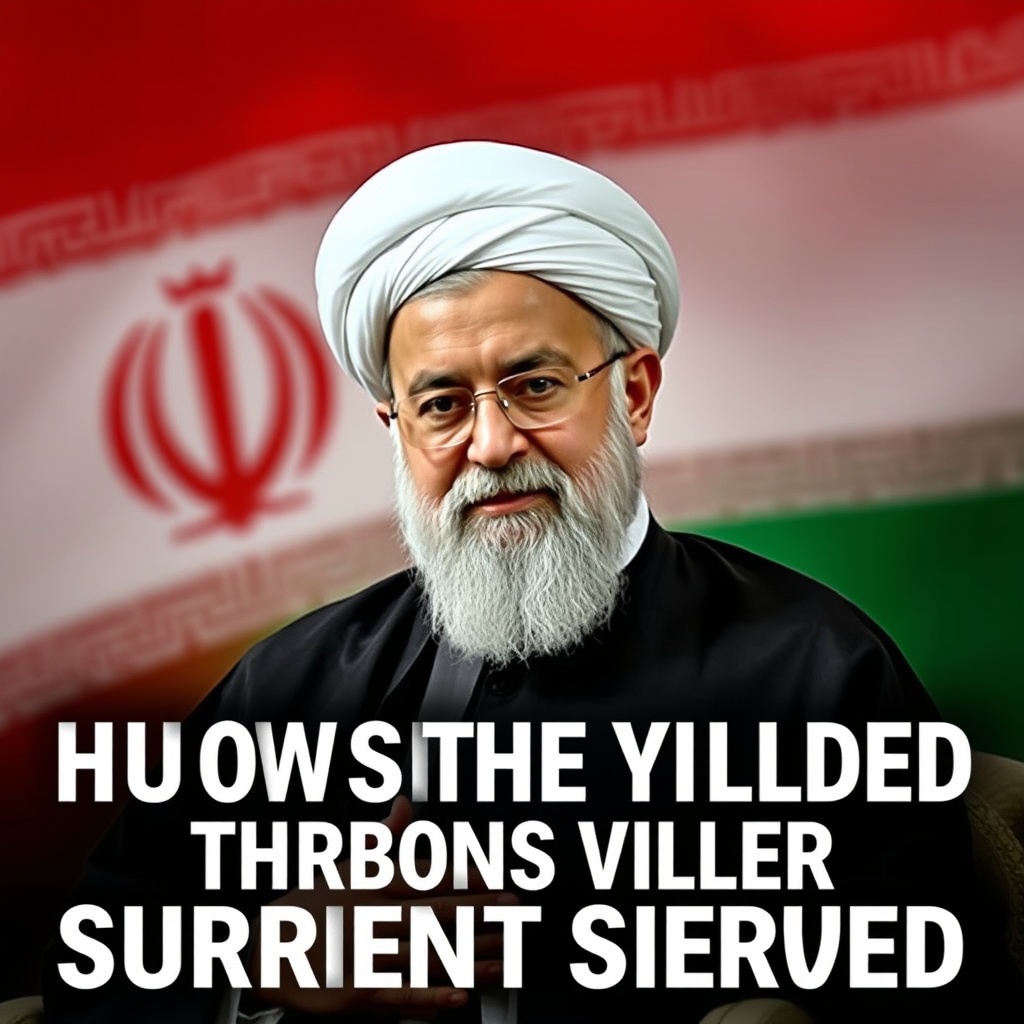
In a speech on Saturday, Ayatollah Ali Khamenei acknowledged that thousands of people were killed during the protests, marking a significant shift in the government's rhetoric. While Khamenei's acknowledgement is a rare instance of the Iranian government admitting to the scale of the violence, it is unclear what implications this will have for the government's response to the protests or for the protesters themselves.
According to reports, Khamenei's acknowledgement was seen as an attempt to deflect criticism and shift the blame for the violence away from the government. However, the move is also being viewed as a sign that the government is seeking to find a way out of the crisis, and that Khamenei's acknowledgement may be a precursor to further concessions or reforms.
International Reaction and Implications
The international community has been watching the situation in Iran with great concern, with many governments and human rights organizations calling for an end to the violence and for the Iranian government to respect the rights of its citizens. The United States, the European Union, and other countries have imposed sanctions on Iranian officials and entities in response to the government's crackdown on the protests.
The supreme leader's acknowledgement of the thousands of deaths during the protests has been met with a mix of skepticism and hope. While some see Khamenei's acknowledgement as a sign that the government is finally beginning to acknowledge the scale of the crisis, others view it as a cynical attempt to deflect criticism and maintain the status quo.
In terms of implications, Khamenei's acknowledgement may mark a turning point in the government's response to the protests. While it is unclear what further concessions or reforms the government may be willing to make, the acknowledgement may be seen as a sign that the government is seeking to find a way out of the crisis. However, the move is also likely to be met with skepticism by many Iranians, who may view it as too little, too late.
According to a report by Amnesty International, the Iranian government's crackdown on the protests has resulted in the deaths of at least 5,000 people, with many more injured or arrested. The report also documented widespread human rights abuses, including torture, beatings, and forced confessions.
In conclusion, the supreme leader's acknowledgement of the thousands of deaths during the protests in Iran marks a significant development in the crisis. While the implications of this acknowledgement are unclear, it is likely to be seen as a sign that the government is seeking to find a way out of the crisis. However, the move is also likely to be met with skepticism by many Iranians, who may view it as too little, too late.
Conclusion
The recent protests in Iran have been a subject of international attention and concern, with reports of widespread violence and human rights abuses. The supreme leader's acknowledgement of the thousands of deaths during the protests marks a rare instance of the Iranian government acknowledging the scale of the violence and bloodshed that occurred during the demonstrations. While the implications of this acknowledgement are unclear, it is likely to be seen as a sign that the government is seeking to find a way out of the crisis.
As the situation in Iran continues to evolve, it is essential that the international community continues to monitor the situation closely and to call for an end to the violence and for the Iranian government to respect the rights of its citizens. The Iranian people have the right to express themselves freely and to demand greater freedoms and reforms, and it is the responsibility of the international community to support them in their struggle for human rights and democracy.
In the coming weeks and months, it will be essential to watch for further developments in the crisis, including any potential concessions or reforms that the government may be willing to make. While the supreme leader's acknowledgement is a significant development, it is only the first step towards addressing the underlying issues that sparked the protests in the first place. Ultimately, the Iranian government must take concrete steps to address the concerns of its citizens and to respect their human rights, if it is to find a way out of the crisis and to build a more stable and prosperous future for the country.

Leave a comment