
Introduction
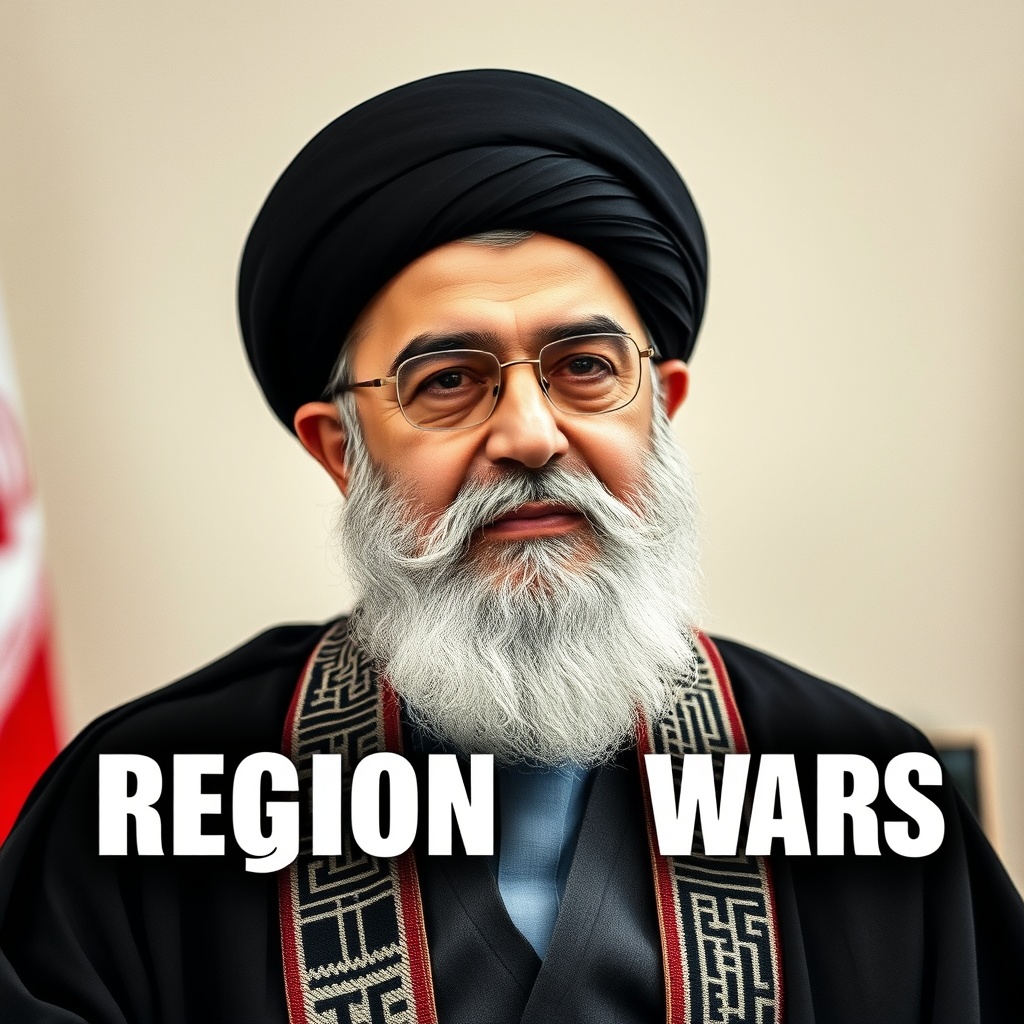
The Middle East has long been a region of tension and conflict, with various countries vying for power and influence. Recently, the situation has escalated, with Iran's supreme leader, Ayatollah Ali Khamenei, warning of a potential regional war if the United States were to attack his country. This statement comes as the US continues to build up its military presence in the region, citing concerns over Iran's nuclear program and its support for various militant groups. In this article, we will delve into the current situation, exploring the historical context, the key players involved, and the potential consequences of a regional conflict.
Historical Context: US-Iran Relations
The relationship between the United States and Iran has been strained for decades, with tensions escalating significantly since the 1979 Iranian Revolution. The revolution, which overthrew the US-backed Shah of Iran, led to the establishment of an Islamic republic, with Ayatollah Khomeini as its leader. The new government's anti-American stance and the subsequent hostage crisis, in which American diplomats were held captive for 444 days, marked the beginning of a long period of animosity between the two nations.
In the years that followed, the US imposed economic sanctions on Iran, citing concerns over its nuclear program and human rights record. The sanctions have had a significant impact on Iran's economy, leading to widespread poverty and unemployment. Despite this, Iran has continued to pursue its nuclear ambitions, with the US and its allies accusing the country of seeking to develop nuclear weapons.
In 2015, the US, along with several other world powers, signed the Joint Comprehensive Plan of Action (JCPOA), a nuclear deal aimed at limiting Iran's nuclear activities in exchange for relief from economic sanctions. However, in 2018, the US withdrew from the agreement, reimposing sanctions on Iran and leading to a significant escalation of tensions between the two countries.
The Current Situation: Military Build-Up and Rhetoric
The current situation in the region is marked by a significant military build-up, with the US deploying additional troops and equipment to the Middle East. The US has also imposed further sanctions on Iran, targeting its oil exports and banking sector. Iran, in response, has begun to breach the limits imposed on its nuclear activities by the JCPOA, leading to concerns that the country may be seeking to develop nuclear weapons.
The rhetoric between the two countries has also become increasingly heated, with Ayatollah Khamenei warning of a regional war if the US were to attack Iran. The US, on the other hand, has stated that it will not tolerate any attacks on its interests or those of its allies, and has threatened to take decisive action against Iran if necessary.
The situation is further complicated by the involvement of other regional players, including Saudi Arabia, Israel, and the United Arab Emirates. These countries have long been concerned about Iran's growing influence in the region, and have sought to counter its activities through military means. The conflict in Yemen, for example, is seen by many as a proxy war between Iran and Saudi Arabia, with the US providing military support to the Saudi-led coalition.
Potential Consequences: Regional War and Global Instability
The potential consequences of a regional war between the US and Iran are dire, with the conflict likely to have far-reaching implications for global stability and security. A war would likely involve other regional players, including Saudi Arabia, Israel, and the United Arab Emirates, and could lead to a significant escalation of violence and instability in the region.
The conflict could also have a major impact on the global economy, with the price of oil likely to surge in the event of a war. This would have significant implications for countries around the world, which rely heavily on oil imports to fuel their economies. The conflict could also lead to a significant increase in refugee flows, as people seek to flee the violence and instability in the region.
In addition to the regional implications, a war between the US and Iran could also have significant global consequences. The conflict could lead to a significant escalation of tensions between the US and other major world powers, including China and Russia, which have significant economic and strategic interests in the region. The conflict could also lead to a significant increase in terrorist activity, as militant groups seek to exploit the instability and chaos in the region.
Case Studies: Previous Conflicts in the Region
The current situation in the Middle East is not without precedent, with the region having experienced numerous conflicts and wars over the years. The Iran-Iraq War, which lasted from 1980 to 1988, is a notable example, with the conflict resulting in significant loss of life and widespread destruction.
The US-led invasion of Iraq in 2003 is another example, with the conflict leading to a significant escalation of violence and instability in the region. The invasion, which was aimed at removing Saddam Hussein from power, ultimately led to the rise of militant groups such as al-Qaeda and ISIS, and had significant implications for regional and global security.
The conflict in Syria, which began in 2011, is another example of the complexity and instability of the region. The conflict, which began as a civil war between the government and opposition forces, has since become a proxy war involving numerous regional and global players, including the US, Russia, and Iran.
Conclusion
The current situation in the Middle East is highly complex and volatile, with the threat of a regional war between the US and Iran hanging precariously in the balance. The conflict, which would have significant implications for regional and global security, is driven by a range of factors, including historical grievances, economic interests, and strategic rivalries.
As the situation continues to escalate, it is essential that all parties involved seek to find a peaceful resolution to the conflict. This will require a significant degree of diplomacy and compromise, as well as a willingness to address the underlying issues that have driven the conflict to this point.
Ultimately, the future of the region and the world depends on the ability of leaders to find a way out of this crisis, and to build a more stable and secure future for all. This will require a concerted effort from all parties involved, as well as a commitment to dialogue, diplomacy, and peaceful resolution of conflicts. As Ayatollah Khamenei has warned, the alternative is a regional war that would have catastrophic consequences for the people of the Middle East and the world at large.

Leave a comment