
Introduction
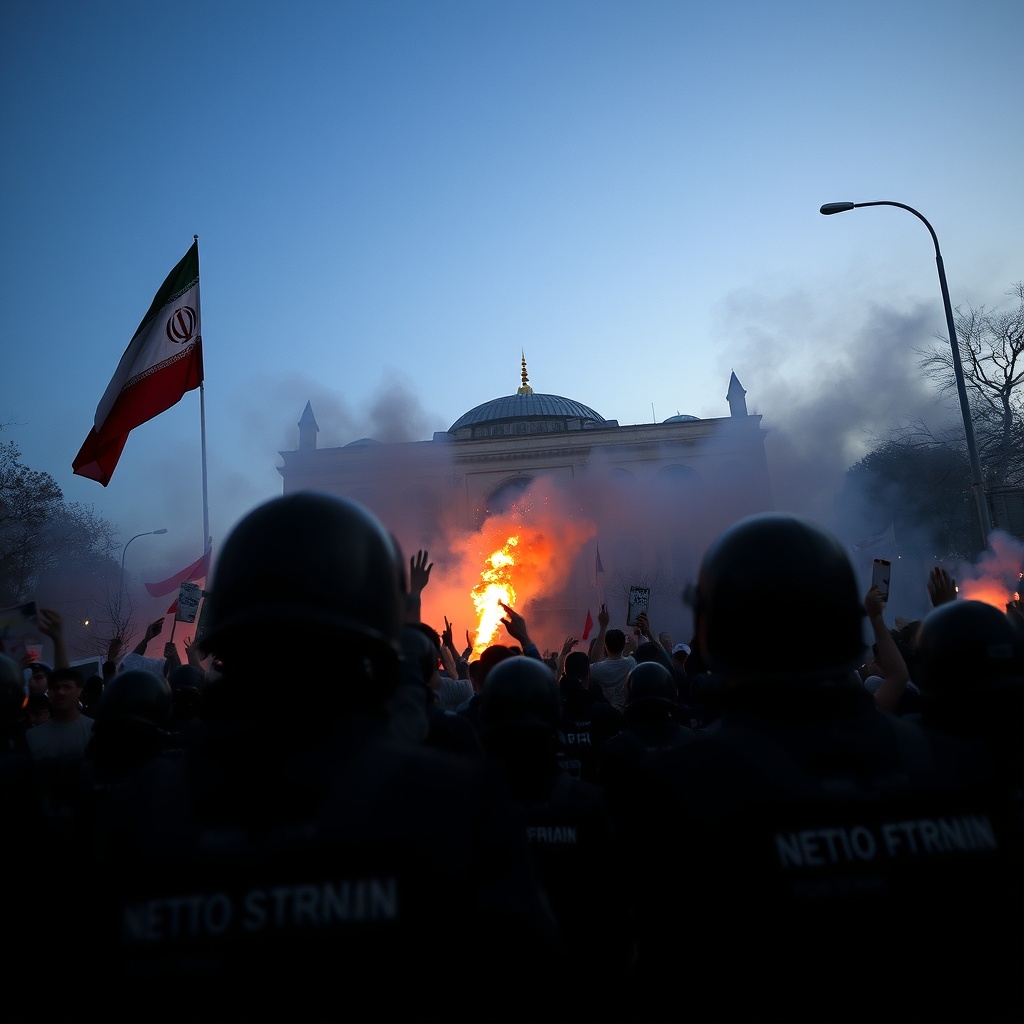
The recent nationwide protests in Iran have been met with a swift and decisive crackdown by the regime, signaling a significant tactical shift in how the government approaches domestic dissent. This new approach is a marked departure from the regime's handling of protests in the past, where the response was often slow and disorganized. The Iranian government's ability to quickly and effectively suppress the protests suggests that they have learned valuable lessons from their experiences, particularly from the summer war. In this article, we will explore the new techniques and strategies employed by the Iranian regime to crush protests, and what this means for the future of dissent in the country.
The Evolution of Iran's Protest Suppression Strategy
The Iranian regime has a long history of dealing with protests and dissent, dating back to the 1979 Islamic Revolution. However, in recent years, the government has faced increasing challenges from a growing and increasingly tech-savvy population. The summer war, in particular, highlighted the need for the regime to adapt its approach to protest suppression. The war showed that the traditional methods of using brute force to quell dissent were no longer effective, and that a more nuanced and sophisticated approach was required.
In response to these challenges, the Iranian regime has developed a new playbook for crushing protests. This playbook includes the use of advanced technologies, such as artificial intelligence and social media monitoring, to track and predict protest activity. The regime has also invested heavily in the development of new, high-tech tools for suppressing protests, including drones, surveillance cameras, and crowd control systems. These tools have been used to great effect in recent protests, allowing the regime to quickly and decisively respond to dissent.
For example, during the recent protests, the Iranian government used drones to monitor and track protest activity, allowing them to anticipate and prepare for potential hotspots. The regime also used social media monitoring to identify and target key protest leaders and organizers, disrupting their ability to coordinate and mobilize supporters. These tactics have been highly effective, allowing the regime to stay one step ahead of the protesters and prevent the protests from gaining momentum.
The Role of Technology in Iran's Protest Suppression Strategy
Technology has played a key role in the Iranian regime's new approach to protest suppression. The government has invested heavily in the development of new technologies, including artificial intelligence, social media monitoring, and surveillance systems. These technologies have been used to track and predict protest activity, allowing the regime to anticipate and prepare for potential hotspots.
One of the most significant technological advancements in the regime's protest suppression strategy is the use of artificial intelligence. AI-powered systems have been used to analyze social media activity, identifying patterns and trends that can indicate potential protest activity. This information is then used to inform the regime's response, allowing them to target specific areas and individuals.
For example, during the recent protests, the Iranian government used AI-powered systems to analyze social media activity, identifying key protest leaders and organizers. This information was then used to target these individuals, disrupting their ability to coordinate and mobilize supporters. The use of AI has been highly effective, allowing the regime to stay one step ahead of the protesters and prevent the protests from gaining momentum.
The Impact of Iran's New Protest Suppression Strategy
The Iranian regime's new approach to protest suppression has had a significant impact on the country. The use of advanced technologies and sophisticated tactics has allowed the regime to quickly and decisively respond to dissent, preventing protests from gaining momentum. This has had a chilling effect on the population, with many people becoming increasingly hesitant to participate in protests or express dissent.
The regime's new approach has also had a significant impact on the opposition movement. The use of social media monitoring and AI-powered systems has made it increasingly difficult for opposition groups to coordinate and mobilize supporters. The regime's ability to target key protest leaders and organizers has also disrupted the opposition's ability to plan and execute effective protests.
Despite these challenges, the opposition movement remains determined to bring about change in Iran. Many activists and opposition leaders have called for the international community to take action, imposing sanctions and other measures to pressure the regime to reform. However, the regime's new approach to protest suppression has made it clear that they will stop at nothing to maintain their grip on power.
Conclusion
The Iranian regime's swift and decisive crackdown on recent protests has shown that they have learned valuable lessons from their experiences, particularly from the summer war. The use of advanced technologies and sophisticated tactics has allowed the regime to quickly and effectively suppress dissent, preventing protests from gaining momentum. While this new approach has had a significant impact on the country, it is clear that the opposition movement remains determined to bring about change.
As the situation in Iran continues to evolve, it is likely that the regime will face increasing challenges from a growing and increasingly tech-savvy population. The international community will also play a critical role in shaping the future of Iran, with many calling for sanctions and other measures to pressure the regime to reform. Ultimately, the future of Iran will depend on the ability of the regime to adapt to changing circumstances and respond to the needs and aspirations of its people.
In the short term, it is likely that the regime will continue to use its new approach to protest suppression to maintain control and stability. However, as the opposition movement continues to evolve and adapt, it is possible that the regime will be forced to re-evaluate its approach and consider more nuanced and sophisticated strategies for addressing dissent.
One potential strategy that the regime could consider is to engage in dialogue with the opposition movement and address the underlying grievances and concerns that are driving the protests. This could involve implementing reforms and concessions, such as increasing transparency and accountability, improving economic opportunities, and protecting human rights. By engaging in dialogue and addressing the root causes of dissent, the regime may be able to reduce tensions and create a more stable and sustainable environment.
Another potential strategy that the regime could consider is to invest in community development and social programs, aimed at addressing the underlying social and economic issues that are driving the protests. This could involve investing in education, healthcare, and infrastructure, as well as providing support for small businesses and entrepreneurs. By investing in community development and social programs, the regime may be able to reduce poverty and inequality, and create a more prosperous and stable society.
Overall, the situation in Iran is complex and multifaceted, and there is no easy solution to the challenges facing the country. However, by engaging in dialogue, addressing underlying grievances and concerns, and investing in community development and social programs, the regime may be able to create a more stable and sustainable environment, and reduce the likelihood of future protests and unrest.

Leave a comment