
Introduction
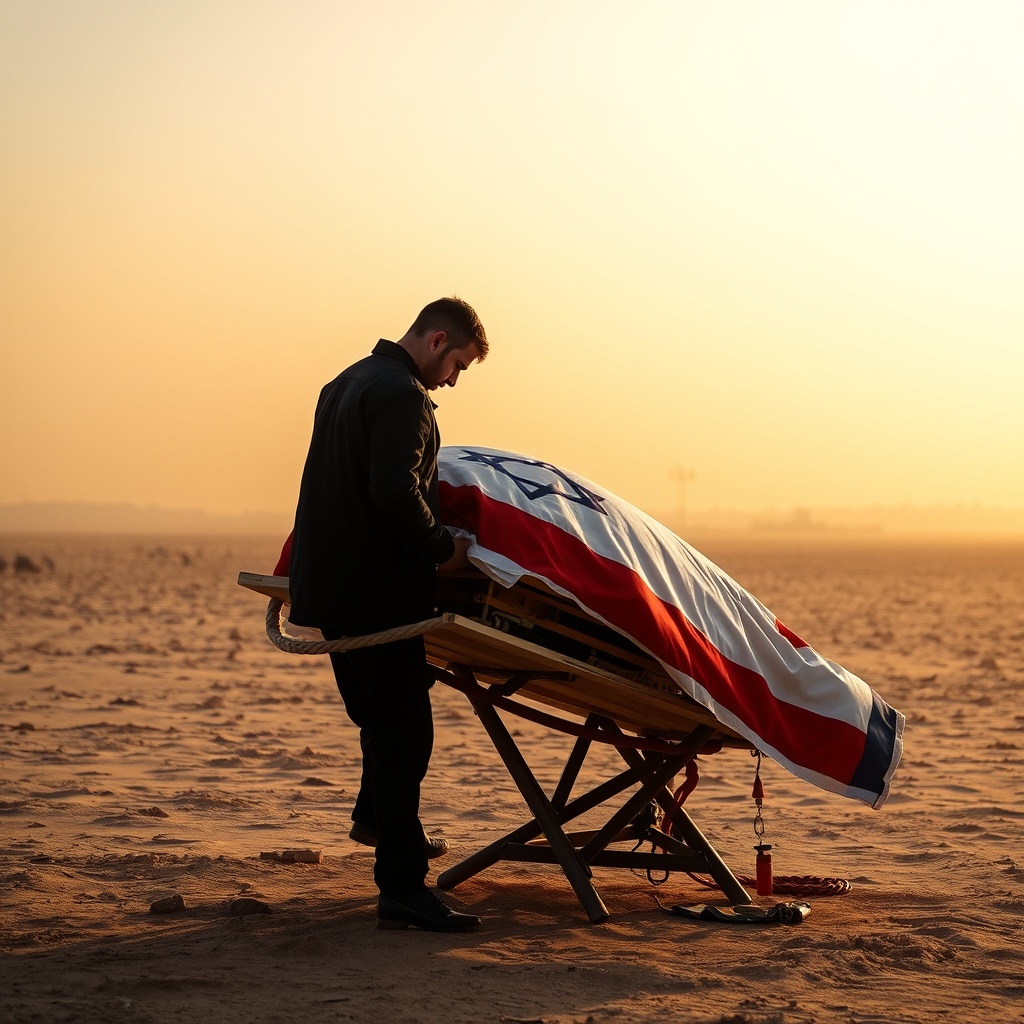
The recent recovery of the body of Ran Gvili, a 24-year-old police officer, from the Gaza Strip marks a significant development in the long-standing conflict between Israel and Palestinian militants. This event brings closure to a chapter that has been ongoing for years, with Israel finally able to bring home the remains of its last captive from the Gaza Strip. The recovery of Gvili's body is a result of intense negotiations and efforts by Israeli authorities, who scoured a cemetery in Gaza to unearth his remains. This article will delve into the details of the recovery, the context of the Israel-Palestine conflict, and the impact of this event on the region.
Background of the Conflict
The Israel-Palestine conflict is a longstanding and complex issue, with roots dating back to the early 20th century. The conflict is fueled by competing claims to the same land, with Israelis seeking to maintain their sovereignty over the territory and Palestinians fighting for their right to self-determination. The Gaza Strip, a coastal region bordering Egypt and Israel, has been a focal point of the conflict, with Palestinian militants frequently clashing with Israeli forces. The region has been under an Israeli blockade since 2007, exacerbating poverty and humanitarian crises.
The recovery of Ran Gvili's body is a significant event in this context, as it highlights the human cost of the conflict. Gvili was a police officer who was captured by Palestinian militants during a border incident. His captivity and subsequent death are a reminder of the risks and sacrifices made by individuals on both sides of the conflict. The recovery of his body is a testament to the efforts of Israeli authorities to bring home their fallen citizens, even in the face of significant challenges and obstacles.
The Recovery Efforts
The recovery of Gvili's body was a complex and delicate operation, involving intense negotiations between Israeli authorities and Palestinian militants. The process was facilitated by intermediaries, including the Red Cross, who played a crucial role in brokering the deal. The negotiations were likely fraught with challenges, given the tense relationship between Israel and Palestinian militants. However, the successful recovery of Gvili's body demonstrates the potential for cooperation and diplomacy, even in the most difficult of circumstances.
The operation itself was meticulous, with Israeli authorities scouring a cemetery in Gaza to locate Gvili's remains. The cemetery was likely searched using advanced forensic techniques, including DNA analysis, to confirm the identity of the body. The recovery of the body was a significant moment for Gvili's family, who had been waiting for years to bring their loved one home. The event is also a reminder of the importance of accounting for missing persons, even in the midst of conflict.
Impact on the Region
The recovery of Gvili's body has significant implications for the region, both in terms of the conflict and the humanitarian situation. The event highlights the need for continued diplomacy and cooperation between Israel and Palestinian militants, even in the face of significant challenges. The successful recovery of Gvili's body demonstrates that, with effort and determination, it is possible to achieve positive outcomes, even in the most difficult of circumstances.
The recovery of Gvili's body also underscores the human cost of the conflict. The event is a reminder of the risks and sacrifices made by individuals on both sides of the conflict, including civilians, soldiers, and militants. The conflict has resulted in significant human suffering, with thousands of people killed or injured, and many more displaced or affected by the violence. The recovery of Gvili's body is a poignant reminder of the need for a lasting resolution to the conflict, one that prioritizes the human rights and dignity of all individuals involved.
Future Prospects
The recovery of Gvili's body marks a significant milestone in the conflict, but it is unlikely to be a game-changer in terms of the broader dynamics. The conflict is complex and multifaceted, with deep-seated issues that will require significant effort and compromise to resolve. However, the event does offer a glimmer of hope, highlighting the potential for cooperation and diplomacy, even in the most difficult of circumstances.
In the coming months and years, it will be essential for Israel and Palestinian militants to build on the momentum generated by the recovery of Gvili's body. This will require a commitment to diplomacy and cooperation, as well as a willingness to address the underlying issues driving the conflict. The international community also has a critical role to play, providing support and guidance to facilitate a lasting resolution to the conflict.
Conclusion
The recovery of Ran Gvili's body from the Gaza Strip marks a significant development in the Israel-Palestine conflict, bringing closure to a chapter that has been ongoing for years. The event highlights the human cost of the conflict, underscoring the need for a lasting resolution that prioritizes the human rights and dignity of all individuals involved. While the recovery of Gvili's body is unlikely to be a game-changer in terms of the broader dynamics, it does offer a glimmer of hope, highlighting the potential for cooperation and diplomacy, even in the most difficult of circumstances. As the region looks to the future, it is essential that Israel and Palestinian militants build on the momentum generated by this event, working towards a lasting resolution to the conflict that brings peace, security, and prosperity to all individuals involved.

Leave a comment