
Introduction
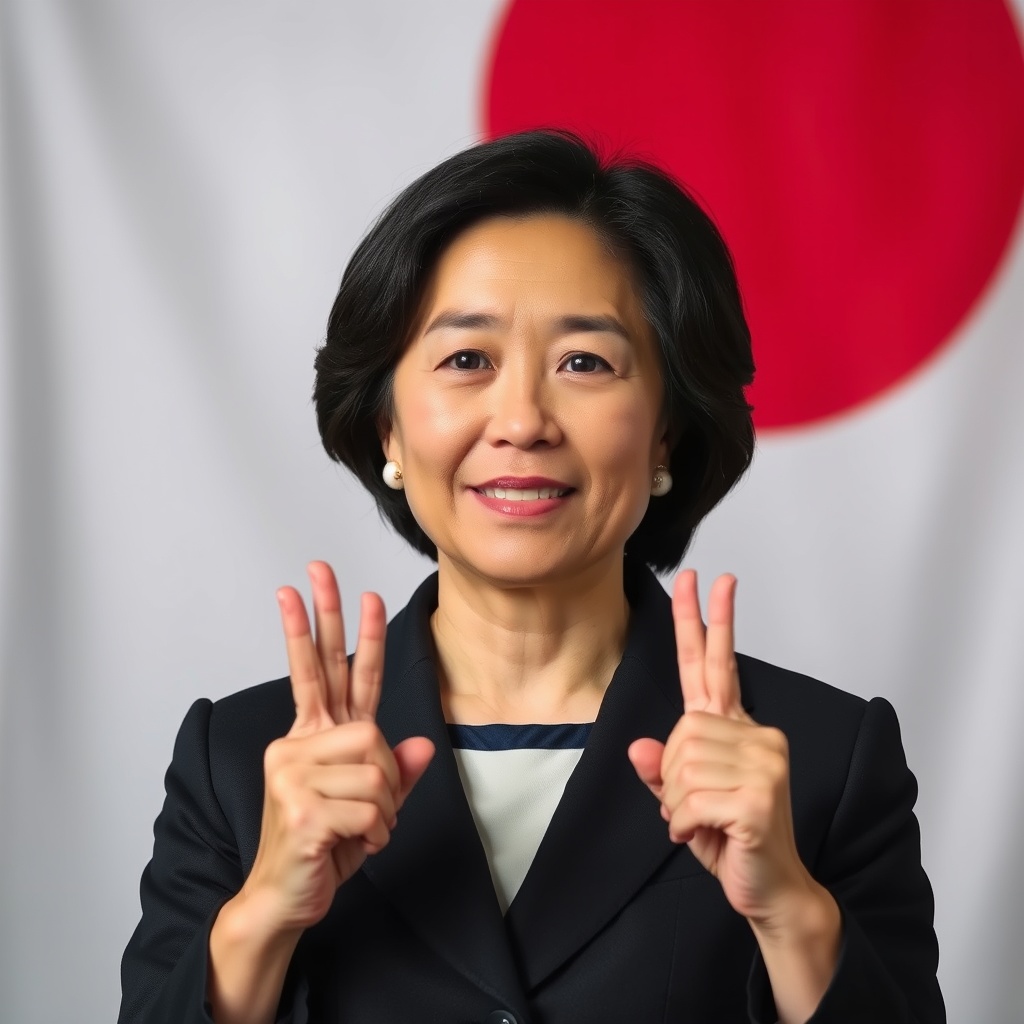
In a historic moment for Japan, the country has elected its first female leader, Sanae Takaichi, who is known for her hawkish stance and "Japan First" approach. This development comes at a significant time, with President Donald Trump scheduled to visit the country just days after Takaichi's election as prime minister. The election of Takaichi marks a new era in Japanese politics, with many wondering what her leadership will mean for the country's domestic and foreign policies. In this article, we will delve into Takaichi's background, her "Japan First" ideology, and what her election might signify for Japan's future.
Background and Rise to Power
Sanae Takaichi is not a newcomer to Japanese politics. She has been an active participant in the country's political landscape for many years, holding various positions within the government. Her rise to power is a testament to her determination and the shifting political winds in Japan. Takaichi's political career has been marked by her conservative views and her emphasis on strengthening Japan's military and economic capabilities. Her "Japan First" approach is reminiscent of nationalist movements seen in other parts of the world, prioritizing the interests of Japan above all else.
Takaichi's election as prime minister is also significant because it breaks a long-standing glass ceiling in Japanese politics. Japan has traditionally been a male-dominated society, and the election of a female leader is a step towards greater gender equality. However, Takaichi's leadership style and policies are expected to be quite different from what might be expected from a female leader in other countries. Her hawkish stance on defense and her commitment to a strong, independent Japan are likely to shape her decision-making and policy initiatives.
"Japan First" and Its Implications
The "Japan First" approach advocated by Takaichi has several implications for both domestic and foreign policy. Domestically, it could mean a greater emphasis on self-reliance and a reduction in dependence on foreign entities. This could manifest in policies aimed at boosting Japanese industries, enhancing the country's military capabilities, and possibly even revising the country's constitution to allow for a more proactive military role. Takaichi has also hinted at a more assertive stance on historical issues, which could impact Japan's relations with its neighbors, particularly China and South Korea.
On the foreign policy front, a "Japan First" approach could lead to a more isolated Japan, at least in terms of its willingness to engage in international agreements and alliances that it perceives as not being in its best interest. This could potentially strain relations with long-standing allies, including the United States, which has traditionally enjoyed a close relationship with Japan. The timing of Takaichi's election, just before President Trump's visit, adds an extra layer of complexity to the situation. The visit, which was already expected to be significant, now takes on an even greater importance as the two leaders will likely discuss a range of issues, from trade and security to regional stability.
Economic and Security Policies
Takaichi's economic policies are expected to focus on strengthening Japan's economy through a combination of fiscal and monetary measures. She has expressed support for increased government spending to stimulate the economy, particularly in areas such as defense and infrastructure. This could lead to a significant increase in Japan's military budget, allowing the country to enhance its defense capabilities and potentially play a more active role in regional security.
On security, Takaichi is known for her hawkish views, advocating for a stronger and more independent Japanese military. This could involve revisions to Japan's pacifist constitution, which has limited the country's military activities since the end of World War II. Such a move would be highly controversial, both domestically and internationally, and could significantly alter the balance of power in the region.
In terms of specific policies, Takaichi has mentioned the importance of developing Japan's indigenous defense capabilities, including the production of advanced weaponry and the development of a more robust cyber defense system. She has also emphasized the need for Japan to play a more proactive role in regional security initiatives, potentially including greater participation in multinational military exercises and a more assertive stance on territorial disputes.
Conclusion
The election of Sanae Takaichi as Japan's first female prime minister marks a significant turning point in the country's history. Her "Japan First" approach and hawkish stance on defense are likely to shape the country's domestic and foreign policies in profound ways. As Japan navigates its relationships with neighboring countries and long-standing allies, Takaichi's leadership will be closely watched. The visit of President Donald Trump to Japan, coming so soon after her election, will provide an early test of her diplomatic skills and her ability to balance Japan's interests with its international obligations.
The future of Japan under Takaichi's leadership is filled with both opportunities and challenges. On one hand, her emphasis on a strong and independent Japan could lead to greater economic and military capabilities, allowing the country to play a more significant role on the global stage. On the other hand, her "Japan First" approach could lead to increased tensions with neighboring countries and potentially strain relationships with allies.
As the world watches Japan's new prime minister take the reins, it is clear that her leadership will have far-reaching implications, not just for Japan, but for the entire region. Whether Takaichi's policies will lead to a more stable and secure Japan, or whether they will exacerbate existing tensions, remains to be seen. One thing is certain, however: the election of Sanae Takaichi as Japan's first female prime minister is a historic moment that will be remembered for years to come.

Leave a comment