
Introduction
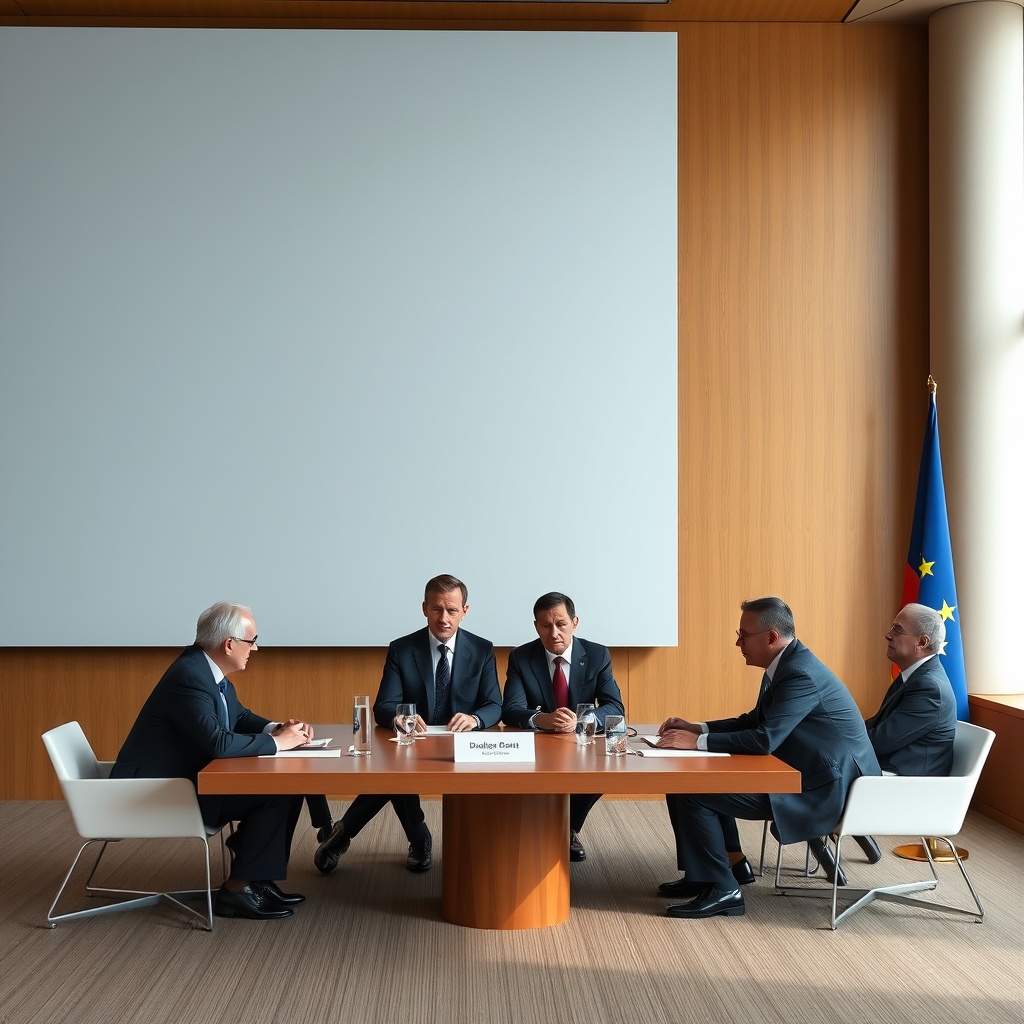
On a significant day in December 2025, a meeting of European leaders took place in Berlin, Germany, culminating in a joint statement that outlined their collective stance on various pressing issues affecting the continent. The meeting, attended by prominent leaders such as Chancellor Merz, President Stubb, President Macron, President Costa, President von der Leyen, Prime Minister Kristersson, and other key figures, underscored the unity and determination of European nations to address common challenges and work towards a more integrated, secure, and prosperous Europe. This article delves into the details of the joint statement, exploring its key points, implications, and the context in which it was issued.
Background to the Meeting
The meeting in Berlin was convened against the backdrop of significant geopolitical, economic, and environmental challenges facing Europe. The continent has been grappling with issues such as the aftermath of the COVID-19 pandemic, the ongoing conflict in Ukraine, rising energy costs, and the ever-present threat of climate change. These challenges have necessitated a collective response from European leaders, who recognize that the problems they face are interconnected and require cooperative solutions.
The joint statement reflects the leaders' understanding of these complexities and their commitment to working together to strengthen European resilience, foster economic recovery, and enhance the continent's role on the global stage. By coming together in Berlin, these leaders aimed to reaffirm their commitment to European values and to outline a shared vision for the future of the continent.
Key Points of the Joint Statement
The joint statement issued by the European leaders covers a wide range of topics, from economic policy and energy security to defense cooperation and climate action. Some of the key points highlighted in the statement include:
-
Economic Recovery and Growth: The leaders emphasized their commitment to supporting economic recovery across Europe, recognizing the need for sustainable growth that benefits all member states. They discussed strategies to promote investment, innovation, and competitiveness, with a focus on digitalization and the green transition.
-
Energy Security and Climate Action: Given the current energy crisis and the long-term goal of reducing carbon emissions, the leaders stressed the importance of diversifying energy sources, enhancing energy efficiency, and accelerating the transition to renewable energy. They also reaffirmed their commitment to meeting the goals of the Paris Agreement and the European Green Deal.
-
Defense and Security Cooperation: In light of the geopolitical tensions and conflicts in Europe's neighborhood, the leaders underscored the necessity of strengthening defense cooperation among European countries. They discussed ways to enhance military capabilities, improve crisis management, and bolster collective defense, while also emphasizing the importance of NATO and EU-NATO cooperation.
-
Migration and Border Management: The statement touched upon the sensitive issue of migration, with leaders agreeing on the need for a comprehensive approach that balances the protection of human rights with the management of borders. They discussed the importance of cooperation with countries of origin and transit to address the root causes of migration.
Implications and Future Directions
The joint statement from the Berlin meeting has significant implications for the future of Europe. By reaffirming their commitment to European integration and cooperation, the leaders have sent a strong signal of unity and determination in the face of adversity. The statement's emphasis on economic growth, energy security, defense cooperation, and climate action reflects a comprehensive approach to addressing the challenges Europe faces.
However, the success of these initiatives will depend on the ability of European leaders to translate their commitments into concrete actions. This will require continued dialogue, cooperation, and a willingness to make difficult decisions, especially in areas where national interests may diverge. The upcoming months and years will be crucial in determining whether the vision outlined in the joint statement can be turned into reality.
Moreover, the statement's impact will not be limited to Europe. The continent's role in global affairs, from trade and climate diplomacy to peacekeeping and development cooperation, means that the decisions made by European leaders will have far-reaching consequences. As the world navigates the complexities of the 21st century, a strong, united, and forward-looking Europe will be essential in shaping global outcomes.
Case Studies and Examples
Several European countries have already begun implementing policies and projects that align with the key points of the joint statement. For instance:
-
Germany's Energy Transition: Germany has been at the forefront of the energy transition, with significant investments in renewable energy sources such as wind and solar power. This transition is expected to continue, with the aim of reducing greenhouse gas emissions and enhancing energy security.
-
France's Defense Strategy: France has been actively engaged in strengthening European defense cooperation, including through the development of a European Defense Fund and the enhancement of military capabilities. This strategy is seen as crucial for improving Europe's ability to respond to security challenges.
-
Sweden's Climate Action: Sweden has set ambitious targets for reducing carbon emissions and has implemented a range of policies to promote sustainable development, including a carbon tax and investments in green infrastructure. These efforts serve as a model for other European countries seeking to accelerate their transition to a low-carbon economy.
These examples demonstrate that the vision outlined in the joint statement is not merely aspirational but is already being translated into action across Europe. As more countries follow suit, the collective impact of these efforts is likely to be significant, contributing to a more resilient, secure, and prosperous Europe.
Conclusion
The joint statement of European leaders from the meeting in Berlin marks an important milestone in the continent's journey towards a more integrated and cooperative future. By addressing key challenges and outlining a shared vision for Europe's development, the leaders have set the stage for a new era of collaboration and progress. As Europe navigates the complexities of the 21st century, the commitment to unity, solidarity, and collective action embodied in the joint statement will be crucial in shaping the continent's role in the world and ensuring a better future for its citizens. The coming years will be critical in turning the aspirations of the joint statement into tangible outcomes, and the world will be watching as Europe embarks on this ambitious journey.

Leave a comment